

ASME, TEMA, ISO and PED: What Should EPC Buyers Specify for a Shell-and-Tube Heat Exchanger?
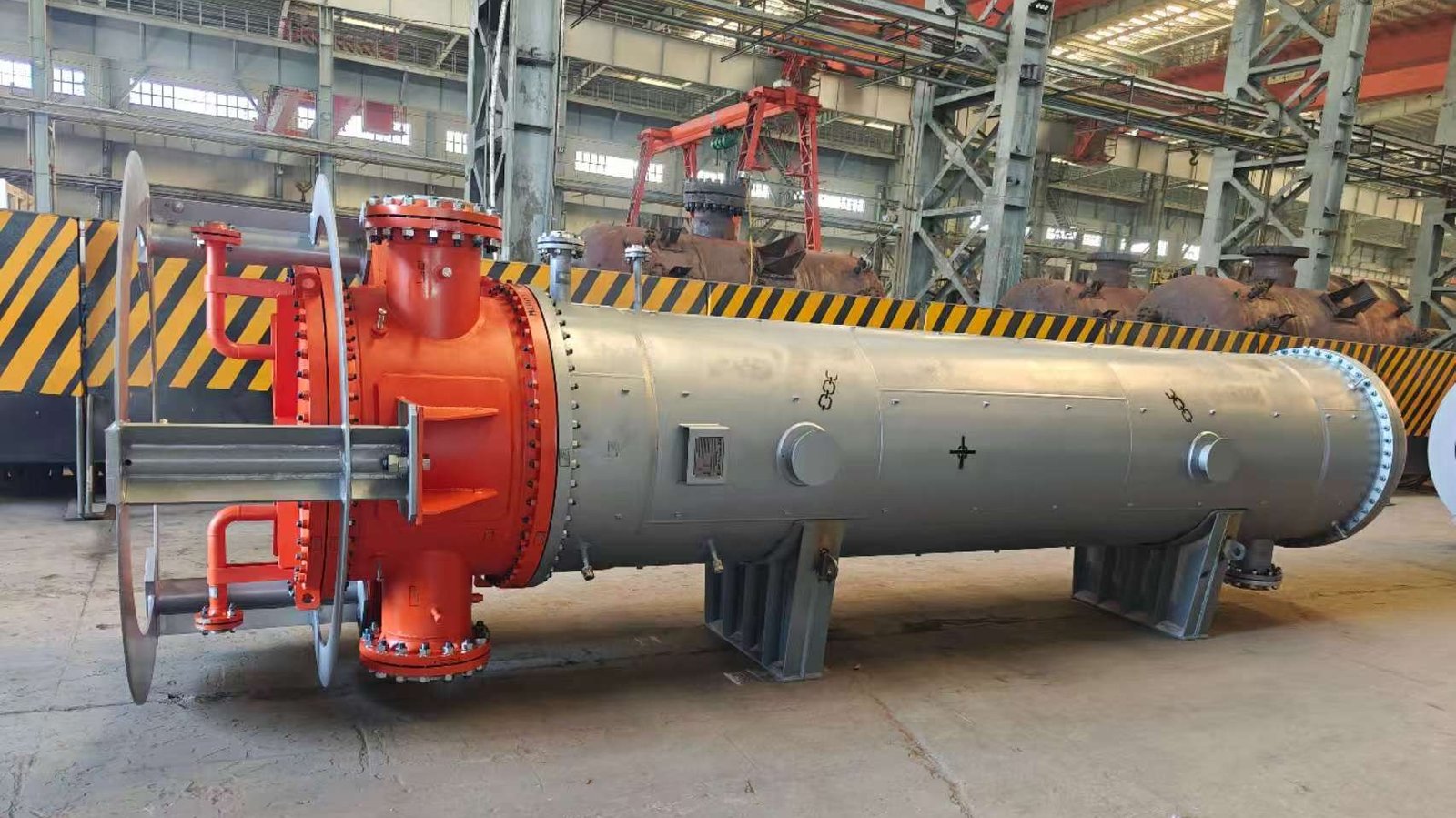
ASME, TEMA, ISO 9001 and the European Pressure Equipmen […]
Hairpin Heat Exchanger Material Selection: Why Corrosion Resistance Does Not Eliminate Fouling

Selecting a more corrosion-resistant alloy does not automatically prevent deposits. This EPC guide explains how to review tube-side and shell-side fluids, fouling mechanisms, cleaning compatibility and evidence for an industrial hairpin exchanger.
What Are the Core Components of a Double Pipe Heat Exchanger (Inner Pipe, Outer Pipe, Connections)?
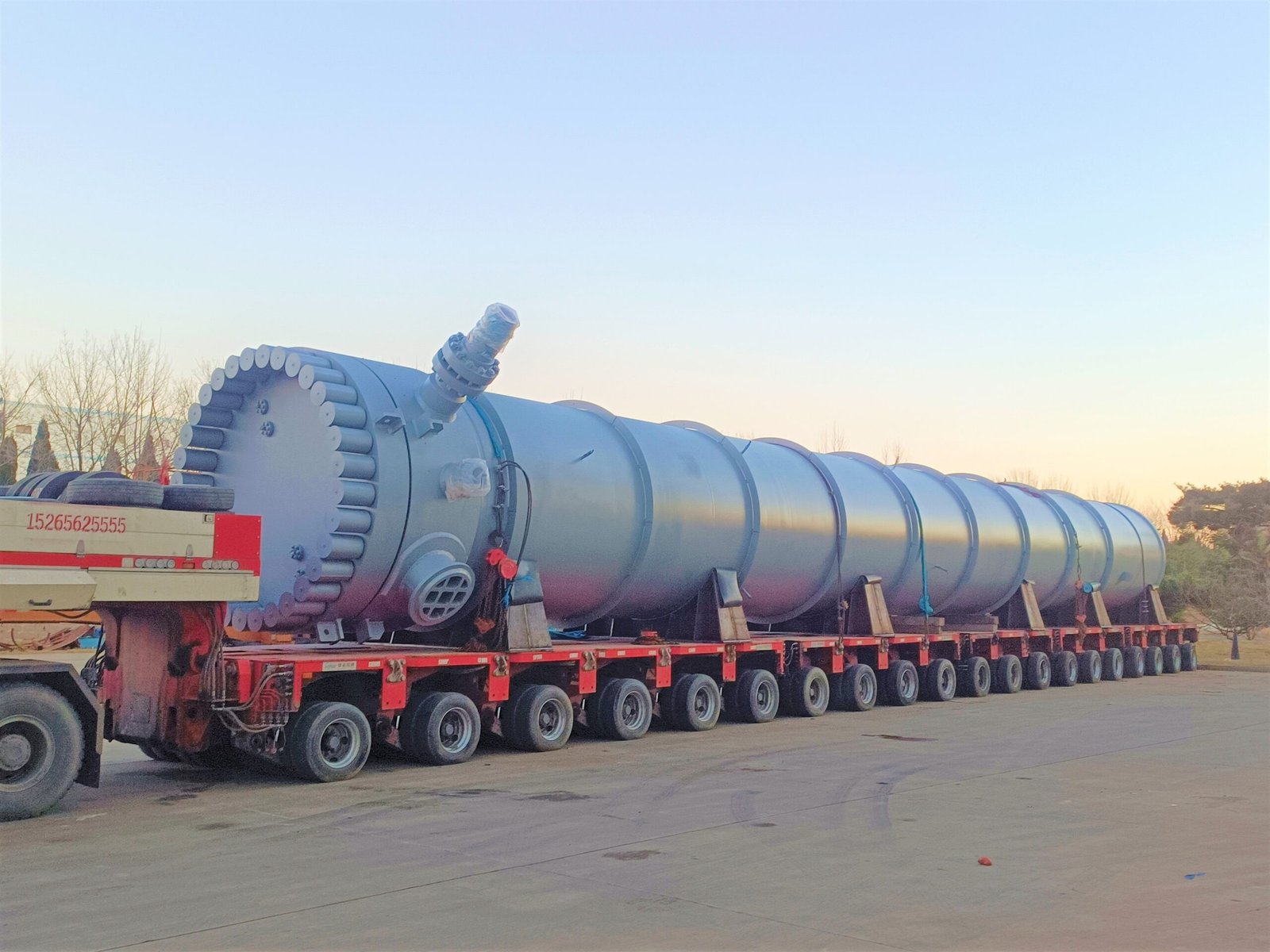
In many industrial and commercial applications, users o […]
What Are the Critical Specifications for Purchasing an Ammonia Synthesis Tower & Column?

Selecting an ammonia synthesis tower and column without […]
What Are the Key Features and Advantages of a Breech Lock Type Heat Exchanger?
In industries where downtime translates directly into l […]
What Are the Core Components of a Shell and Tube Heat Exchanger (Shell, Tubes, Baffles, Tube Sheets, Heads)?

In industrial heat transfer systems, many users struggl […]
How Do You Evaluate Shell and Tube Heat Exchanger Manufacturers and Suppliers?
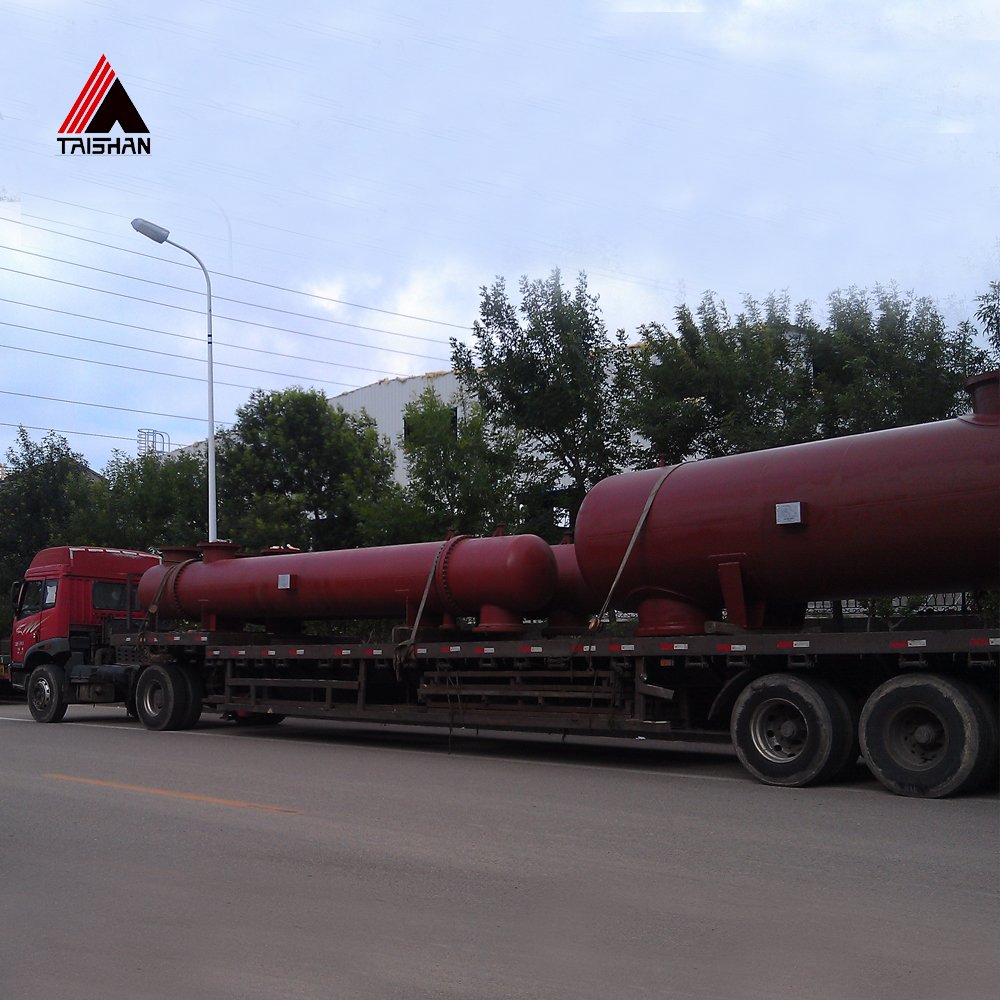
Selecting the wrong shell and tube heat exchanger manuf […]
How Do You Evaluate Heat Exchanger Manufacturers and Suppliers?
Choosing the wrong heat exchanger manufacturer can lead […]
How is a Hairpin Heat Exchanger different from a Double Pipe or Shell and Tube Heat Exchanger?
In industrial heat transfer systems, choosing the right […]
What is the working principle of a Hairpin Heat Exchanger?

Hairpin heat exchangers play a crucial role in many ind […]