
Selecting an evaporator for heat-sensitive chemicals requires more than choosing a low boiling temperature. Buyers must understand how temperature, exposure time, concentration, and local heating conditions affect the material. A solution may tolerate brief heating but deteriorate during prolonged circulation or storage at the same temperature.
For chemical manufacturers and EPC contractors, the specification should connect the required concentration duty with measurable product-quality limits. Vacuum operation, equipment configuration, vapor separation, condensation, and concentrate handling must then be evaluated as one coordinated process rather than as isolated equipment purchases.
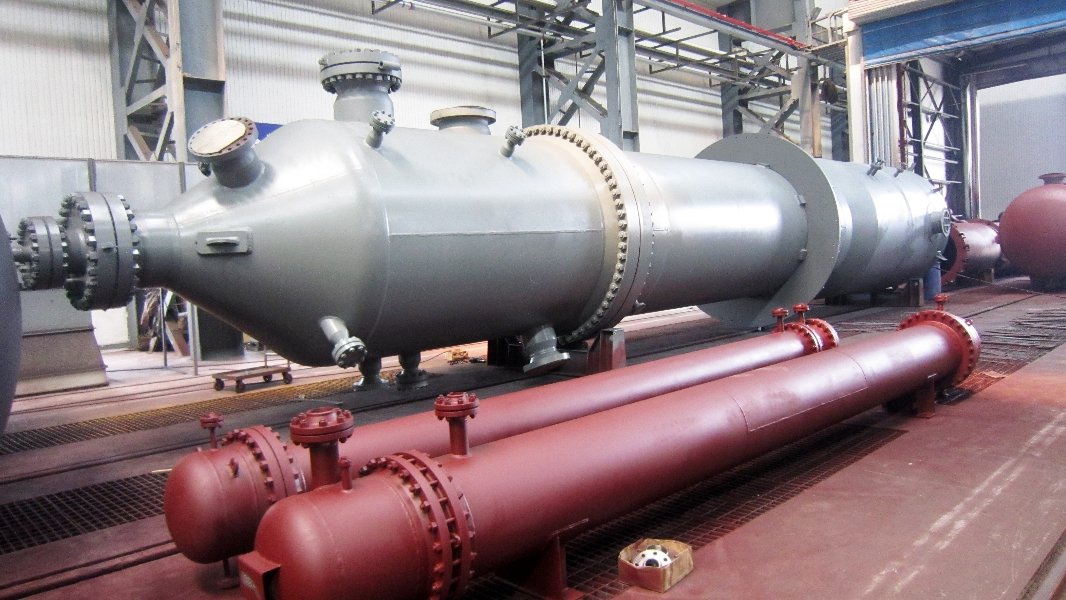
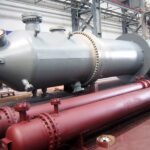
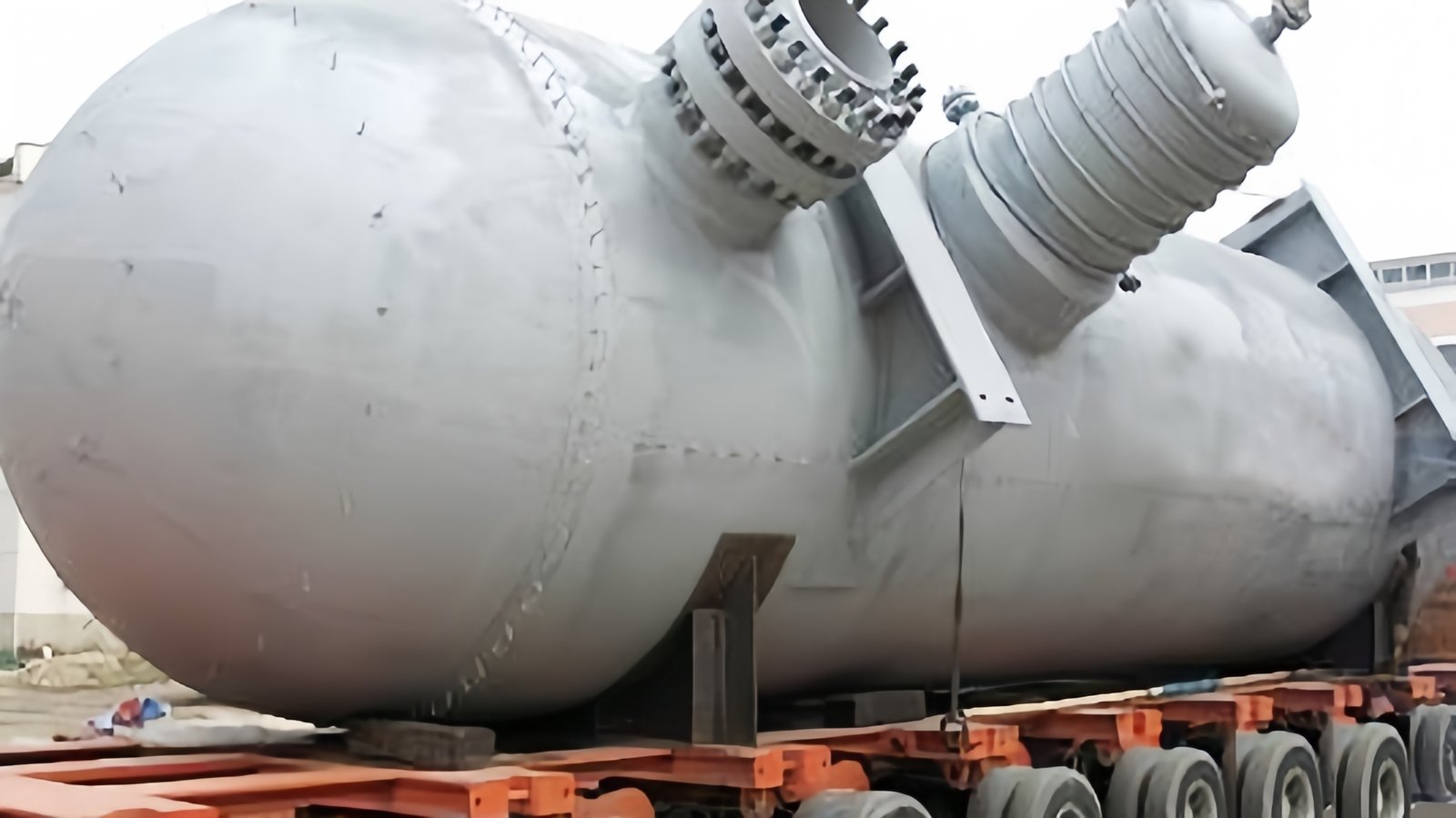
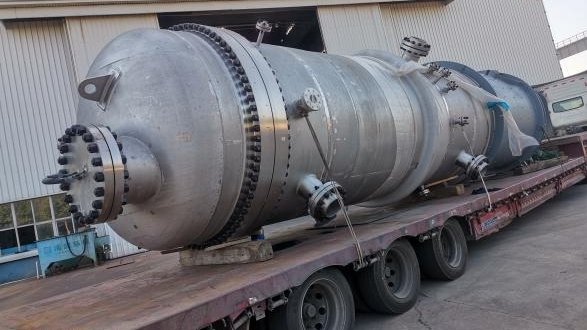
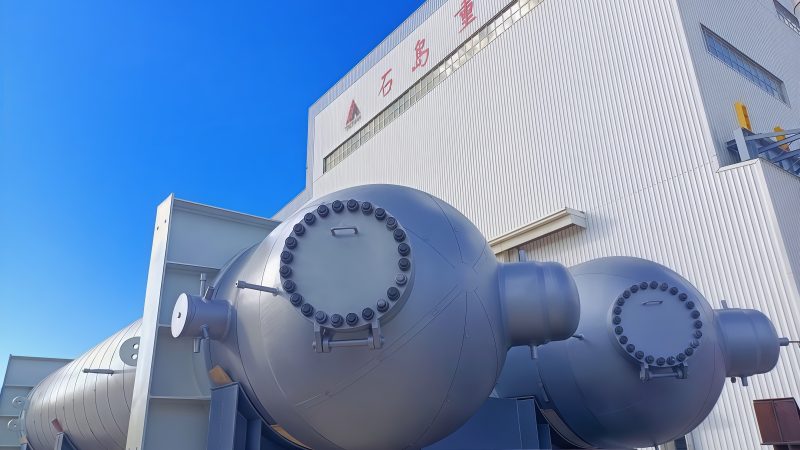
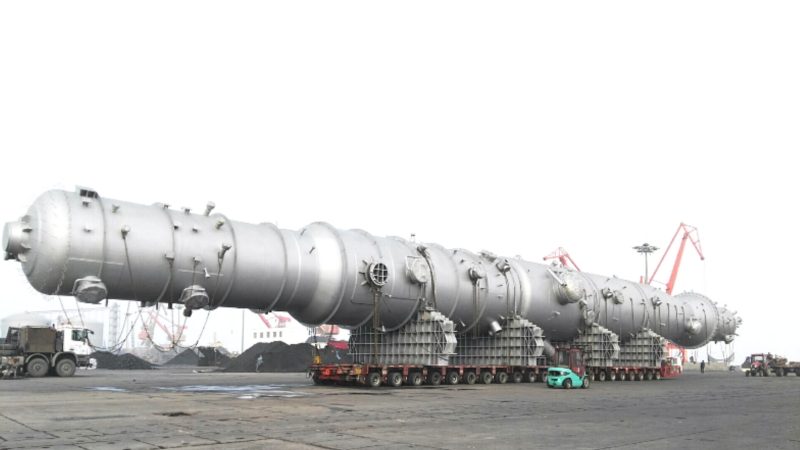
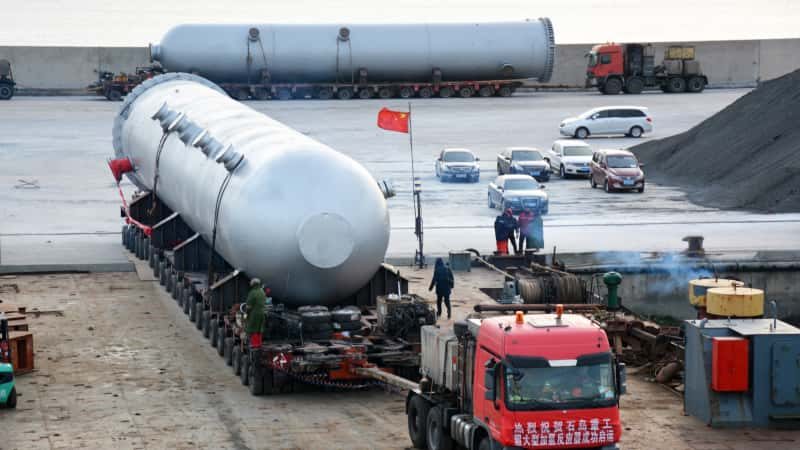
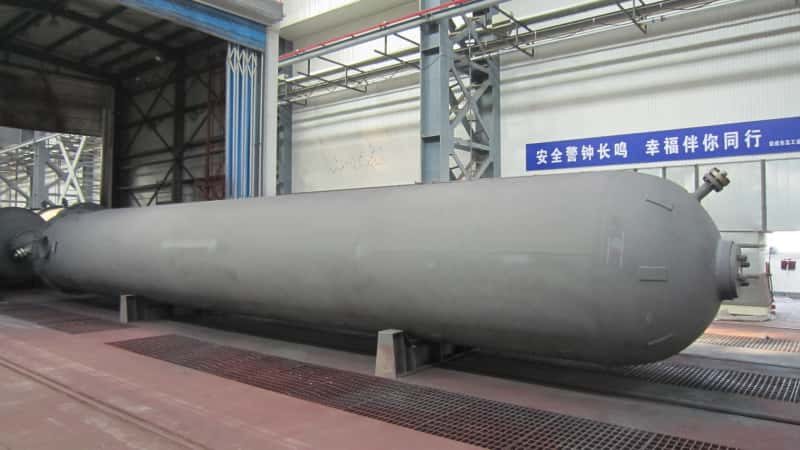
Representative manufacturing photograph. This image does not show a verified heat-sensitive chemical evaporation installation.
What Makes a Chemical Solution Heat-Sensitive?
A heat-sensitive solution can undergo an unacceptable change when exposed to particular thermal conditions. Depending on the material, the concern may involve color, purity, molecular structure, viscosity, or formation of unwanted substances. In some cases, thermal instability also presents a process-safety concern.
These outcomes should not be grouped under a vague instruction to “avoid overheating.” Define the property that must be preserved, the analytical method used to measure it, and the acceptable change after concentration. Product-quality limits and safe operating limits are related but separate requirements.
NPTEL’s evaporator solution-property guidance identifies temperature sensitivity, concentration changes, scaling, and materials compatibility as relevant design considerations. A supplier therefore needs information about the actual solution, not just its commercial product name.
Define the Product Limits Before Selecting Equipment
Temperature and Exposure Time
Provide available stability data showing how the solution behaves at relevant temperatures and exposure durations. Identify whether the information applies to the original feed, an intermediate concentration, or the final concentrate.
A single maximum-temperature value may be insufficient if deterioration develops gradually. Conversely, a short laboratory exposure does not prove that the material can tolerate a long production campaign. Ask the process team which combinations of temperature, time, and composition need evaluation before equipment selection.
Concentration and Product Acceptance
State the feed concentration, required final concentration, permitted residual solvent, and relevant quality specifications. Clarify whether the endpoint is defined by composition, density, viscosity, or another validated measurement.
The design should also identify what happens to off-spec concentrate. Reprocessing may increase cumulative thermal exposure and should not be assumed acceptable without assessment. Product acceptance belongs in the process specification before commercial performance commitments are agreed.
Vacuum Helps Control Boiling Temperature, but Has Limits
Reducing operating pressure can lower the boiling temperature of a solution. However, the actual relationship depends on composition, and it can change as solvent is removed. A boiling point taken from pure-solvent data may not describe the concentrated product.
Vacuum also does not establish the temperature of every wetted surface or eliminate prolonged exposure. A product can still experience unfavorable conditions near a heating surface, within recirculating inventory, or during an interruption.
Ask the supplier to state the pressure and temperature basis for each operating case. The specification should distinguish the normal vacuum level from the mechanical design requirements of the evaporator and associated custom pressure vessels. The process benefit of vacuum and the vessel’s resistance to external pressure require separate engineering assessments.
Evaluate Residence Time Across the Complete System
Look Beyond Time in the Heating Section
A quoted residence time may refer only to the heated passage. The actual product exposure can also include preheating, separation, recirculation, intermediate holding, and discharge.
Request a clear definition of the quoted value and the operating conditions behind it. Where recirculation is used, ask how repeated exposure is considered. An average residence time may also conceal material that remains in the system longer, so the assessment should reflect the product’s sensitivity and the proposed flow behavior.
Include Low Load and Interrupted Operation
Minimum throughput, startup, shutdown, and temporary loss of downstream availability can change how long material remains hot. These cases should be included in the process review rather than treated as minor exceptions.
The project team should define how heating and feed are managed during interruptions and how retained material is handled. The equipment manufacturer should receive the resulting requirements, but should not be expected to establish product-specific safe operating procedures without the necessary process data.
Choose the Evaporator Configuration From the Duty
Falling-film equipment can be considered where limiting liquid inventory and exposure time is important, provided the solution can be distributed and maintained as the required film. Feed distribution, viscosity changes, solids, and fouling still need assessment.
NPTEL’s discussion of evaporator configurations describes falling-film evaporation for heat-sensitive materials and highlights uniform liquid distribution as a design issue. This supports evaluating the configuration, not assuming it suits every heat-sensitive feed.
Circulating arrangements may be appropriate for other duties, but their cumulative exposure and inventory require review. Where a specialized configuration is proposed, confirm the manufacturer’s actual capability before treating it as part of the supply offer. No equipment type should be selected from the phrase “heat-sensitive” alone.
Review Heating Surfaces and Utility Conditions
The temperature of the heating medium, the heat-transfer surface, and the bulk liquid are not identical. A suitable bulk temperature does not automatically demonstrate acceptable local conditions.
Specify available steam, hot-water, or other approved utility conditions and the allowable operating range. Ask the responsible designer to explain how the heat input is controlled and what assumptions support the proposed thermal duty. Fouling can alter heat transfer, so the assessment should address more than clean-equipment performance.
Where shell-and-tube heat exchangers form part of the heating or condensation arrangement, their duties should be coordinated with the evaporator. An oversized utility allowance is not a substitute for a defined temperature-control basis.
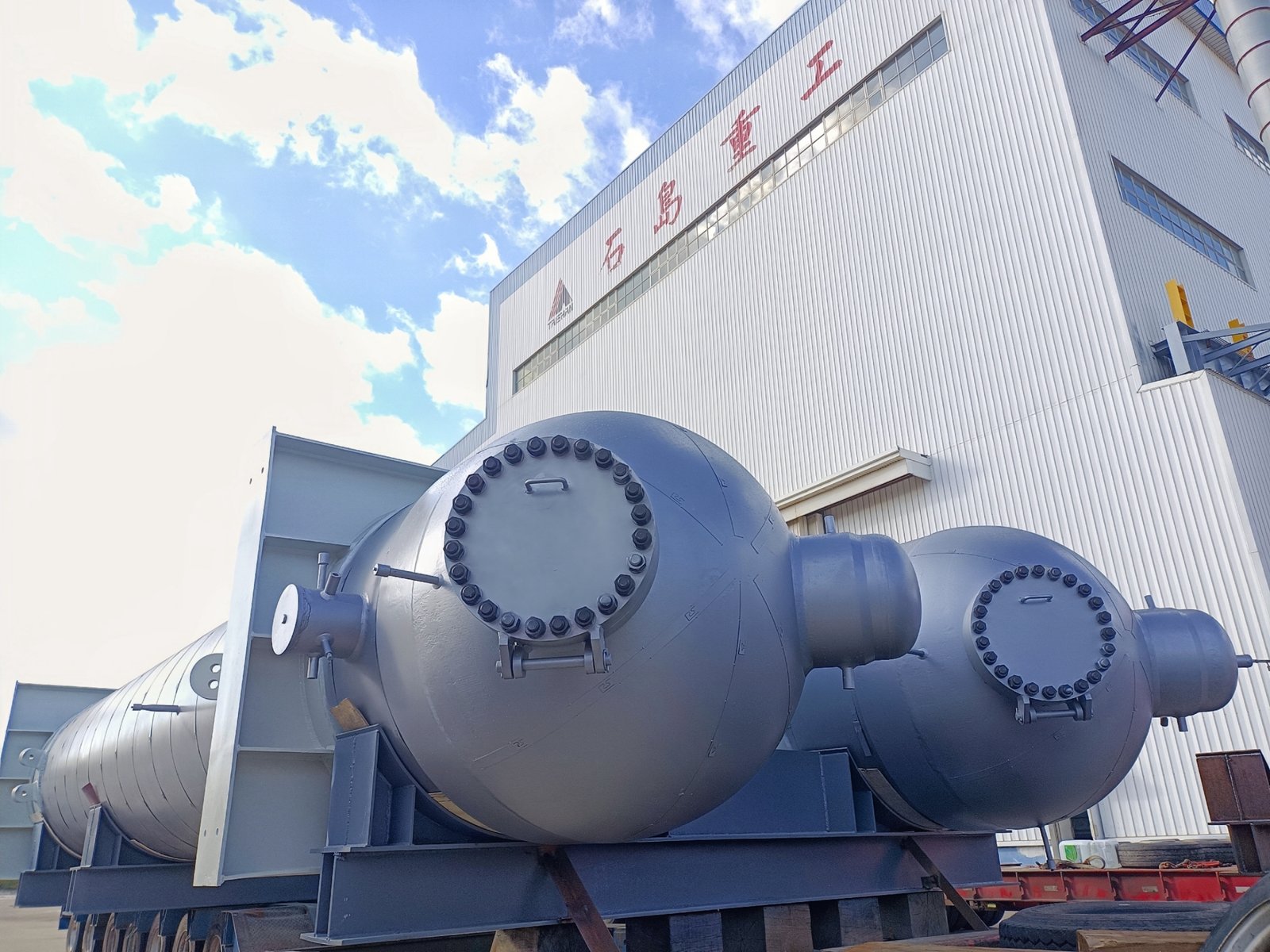
Representative heat exchanger photograph. Thermal suitability must be evaluated against the actual chemical solution and utility conditions.
Include Vapor Handling and Condensation in the Assessment
An evaporator cannot be assessed independently of its vapor-handling system. Define solvent composition, expected vapor load, non-condensable gases, available cooling conditions, and the destination of recovered condensate.
These inputs affect the achievable operating conditions and the required condenser arrangement. Seasonal cooling-water changes and utility interruptions should be addressed where relevant. A nominal vacuum rating alone does not prove that the complete system can maintain the intended process pressure.
Vapor-liquid separation also matters where entrainment could remove valuable material or contaminate the condensate. Establish the applicable quality limits and who is responsible for demonstrating them. Avoid assuming that all evaporated material is pure solvent.
Use Representative Testing Where Data Are Incomplete
A trial should address the uncertainty that matters to the purchasing decision. This may include product quality at the target concentration, operating stability, fouling behavior, vapor carryover, or the effect of repeated exposure.
Document feed composition, test conditions, sampling methods, and the differences between the trial and proposed production equipment. A successful short run does not automatically establish long-term performance or a fixed cleaning interval.
Where decomposition or other reactive hazards are possible, qualified specialists should determine the necessary assessment. HSE’s reaction and product testing guidance explains that literature reviews and theoretical calculations do not replace appropriate chemical hazard testing. Product-quality testing alone should not be presented as a complete safety evaluation.
Protect the Product After Concentration
Thermal exposure does not end when material leaves the evaporator. The project should define whether the concentrate requires cooling, prompt transfer, controlled storage, or another process-approved handling arrangement.
For associated industrial storage tanks above 1,000 liters, specify working inventory, temperature limits, expected holding time, and compatibility requirements. Avoid installing unnecessary hot storage simply to accommodate an undefined downstream schedule.
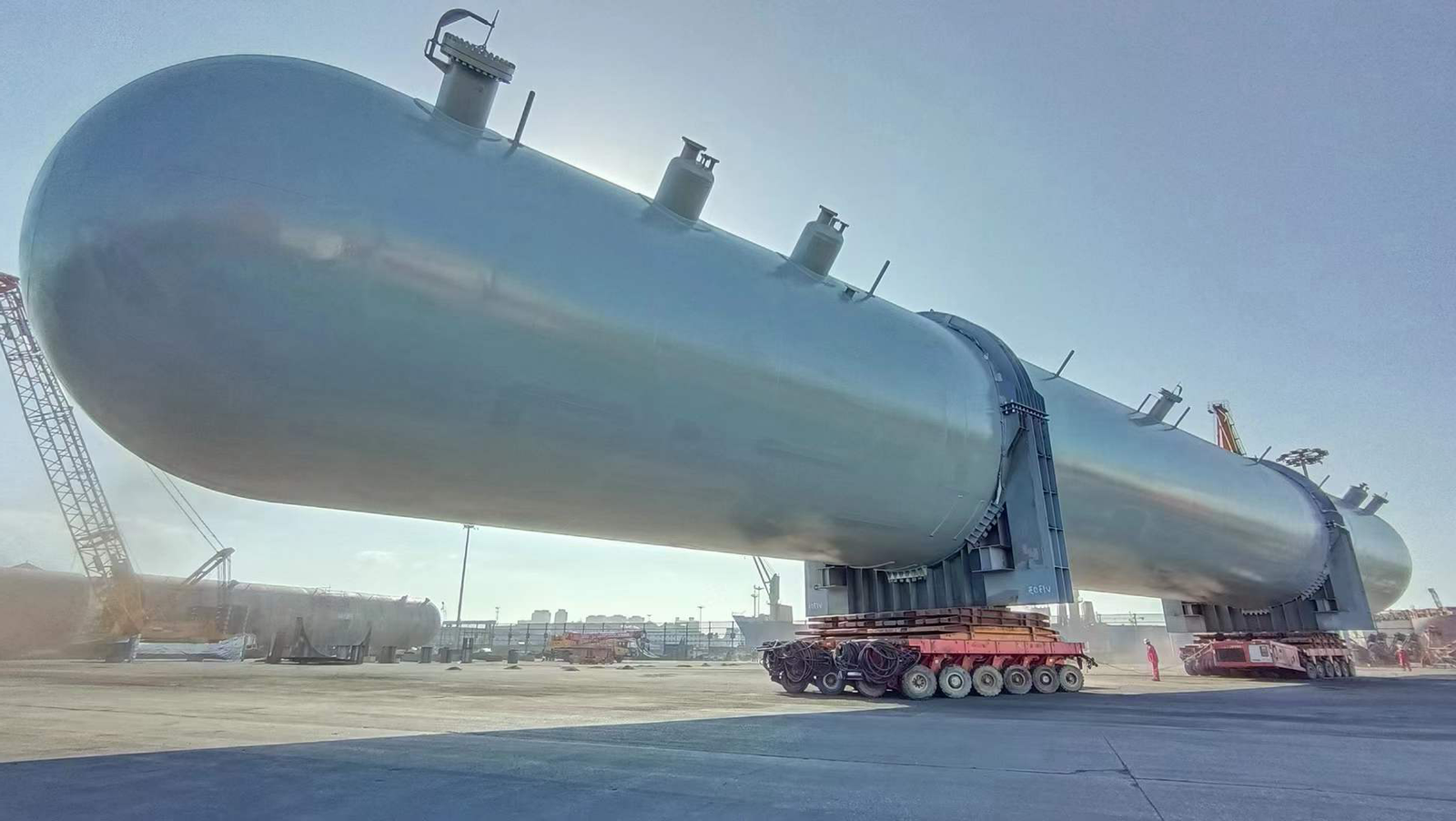
Representative storage vessel photograph. Suitability for heat-sensitive concentrate must be confirmed for the specific service.
Cleaning also needs a defined boundary. Include cleaning agents, residual-product behavior, required access, and acceptance criteria. A cleaning method that protects equipment materials may still need separate review for its effect on subsequent product quality.
Define Manufacturing and Performance Responsibilities
The inquiry should identify the complete evaporator-related equipment scope and assign responsibility for process design, thermal calculations, mechanical design, controls, vacuum equipment, installation, and commissioning.
WSHI’s stated capabilities include drawing coordination, material procurement, welding, nondestructive examination, pressure testing, coating, and heavy-equipment delivery. Each quotation should confirm the applicable services and any specialized construction requiring further review.
Manufacturing acceptance and product-performance acceptance are different. Inspection and pressure testing verify specified aspects of equipment construction; they do not establish that a chemical product will retain its required quality after concentration. Agree on the performance-test feed, utilities, operating cases, analytical methods, and responsible parties before contract award.
Delivery planning should cover preservation, cleanliness, transport dimensions, lifting arrangements, site assembly, and documentation. These requirements help maintain the condition established during manufacture and avoid unresolved responsibilities at installation.
FAQ
Is vacuum evaporation always suitable for heat-sensitive chemicals?
No. Lower boiling temperature may help, but residence time, local temperatures, composition changes, and thermal stability must also be evaluated.
Is a falling-film evaporator always the best choice?
No. It can be suitable for certain duties, but film distribution, viscosity, solids, fouling, and operating range can limit its application.
Can the maximum temperature be taken from a safety data sheet alone?
Not necessarily. A safety data sheet may not provide the concentration-specific stability or product-quality information needed for equipment selection. Additional process data or testing may be required.
What should buyers provide for an initial quotation?
Provide composition, concentration targets, stability information, quality limits, flow ranges, utility conditions, available test results, storage requirements, and the intended supply boundary.
Discuss Your Chemical Concentration Requirements
Selecting an evaporator for heat-sensitive chemicals requires control of both temperature and exposure throughout the complete process. For projects requiring custom evaporation equipment, heat exchangers, separation vessels, or storage tanks above 1,000 liters, discuss your requirements with our engineering team. Share process data, drawings, product limits, and delivery requirements for manufacturing assessment and scope coordination.