
LDPE plant auxiliary equipment should be purchased against a clearly defined process and engineering scope. A project may require custom vessels, heat exchangers, and storage tanks alongside specialized equipment controlled by the technology provider. Buyers need to distinguish these responsibilities before issuing inquiries.
For EPC contractors and project managers, the practical challenge is identifying which complete equipment items can be sourced through a qualified fabricator, which require licensor approval, and which remain within a specialist package. General pressure-vessel manufacturing capability should not be interpreted as qualification for proprietary or ultra-high-pressure LDPE equipment.
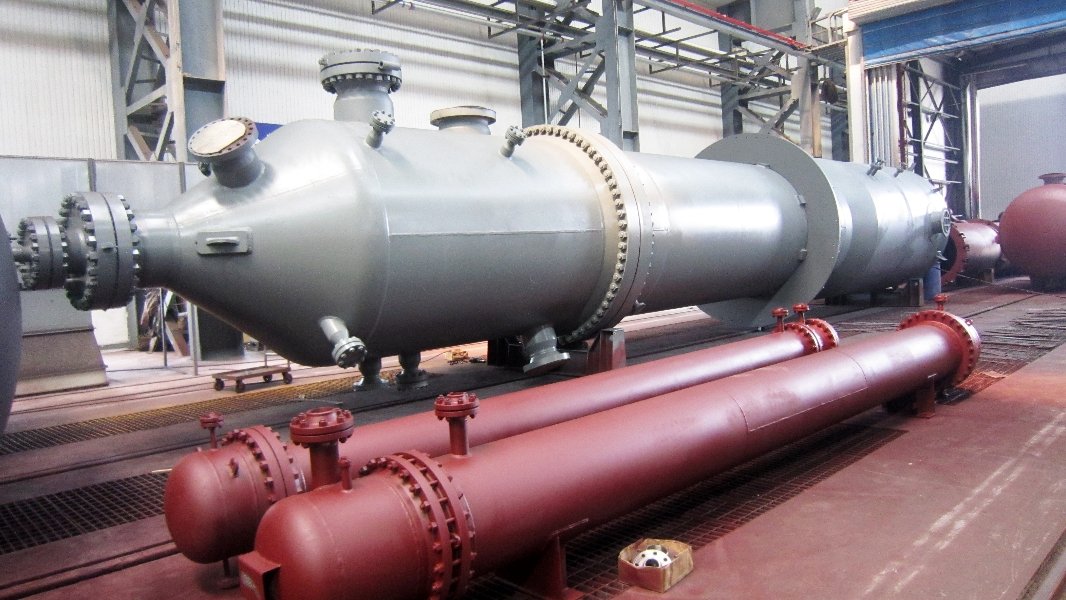
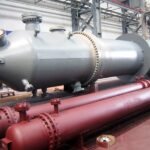
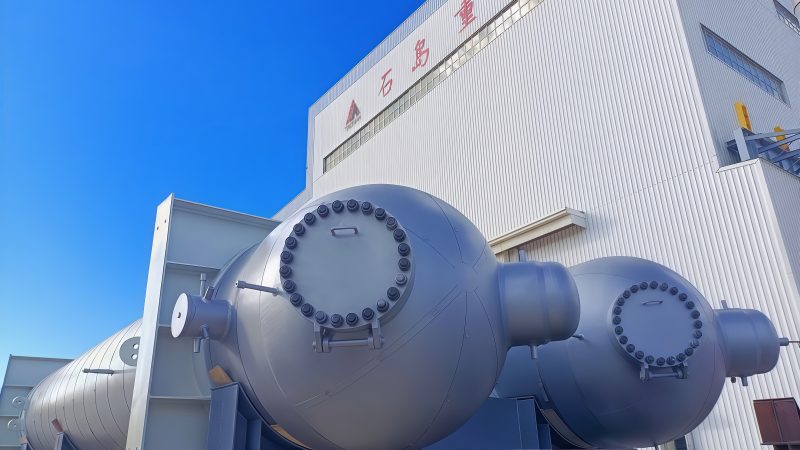
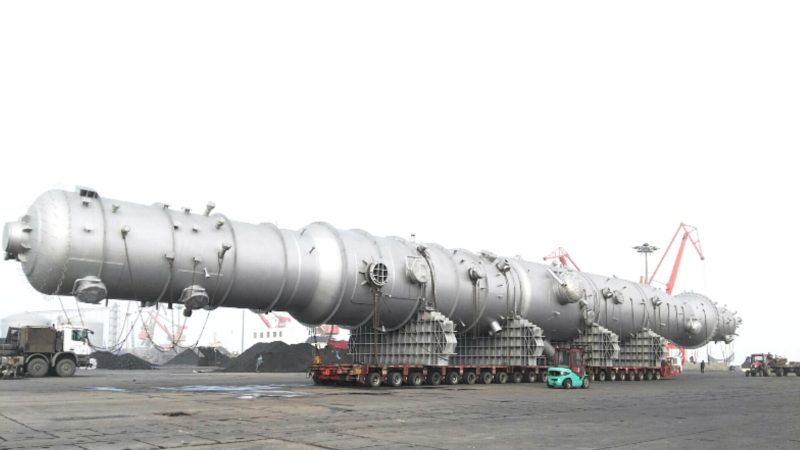
Representative manufacturing photograph. This image does not show an LDPE project or demonstrate qualification for proprietary high-pressure process equipment.
Recent Licensing News Highlights the Importance of Supply Boundaries
On September 21, 2026, Technip Energies announced an exclusive licensing collaboration agreement with SABIC. Under the agreement, Technip Energies will act as the worldwide licensor of SABIC’s Clean Tubular Reactor, or CTR, technology for low-density polyethylene production. The announcement describes a technology-licensing relationship, not a confirmed equipment order for a newly announced plant. See the official Technip Energies announcement.
For equipment buyers, the relevant lesson is the need to preserve the boundary between licensed technology and fabricated equipment supply. The discussion below does not describe a CTR equipment list, imply WSHI participation, or claim that WSHI is an approved supplier to either company.
What Counts as LDPE Plant Auxiliary Equipment?
“Auxiliary equipment” is a project-specific procurement description, not a pressure classification or an indication that the equipment is unimportant. Depending on the approved design, it may include utility-related vessels, selected process receivers, heating and cooling equipment, and liquid storage systems outside specialist supply packages.
The exact list must come from the project equipment register and approved process documentation. A vessel’s generic name does not establish whether it belongs in an independently purchased package. Its actual service, pressure boundary, process function, and licensor requirements determine how it should be procured.
Buyers should also avoid assuming that everything outside the main reactor is conventional equipment. Some connected systems may have demanding requirements or remain subject to specialist design control. Each item requires individual review.
Separate Licensed Technology From Fabrication Responsibilities
Define the Licensor and EPC Interfaces
The project should identify who establishes process duties, operating cases, equipment performance requirements, and restrictions on design changes. It should also define the licensor’s review role where applicable and the EPC contractor’s responsibility for integrating equipment into the plant.
A supplier inquiry should reference the applicable documents and their approval status. If an equipment specification contains proprietary information, the purchaser must confirm that it can be shared with the proposed manufacturer under the relevant contractual arrangements.
Confirm the Manufacturer’s Approved Scope
The fabricator’s responsibilities may include mechanical design, drawing development, material procurement, fabrication, inspection, testing, and delivery. These responsibilities should be stated rather than assumed.
For custom pressure vessels, buyers should request evidence relevant to the actual service and construction requirements. A general company capability statement is not a substitute for qualification against a specialized duty. Any required owner or licensor approval should be established before contract award.
Identify Complete Equipment Packages From the Approved Design
Process and Utility Vessels
Where included in the approved equipment list, vessels may provide collection, buffering, separation, or other defined functions. The inquiry should identify the medium, operating range, working inventory, and required mechanical design basis.
Confirm whether the vessel can be exposed to pressure or temperature conditions from connected equipment during credible disturbances. A normally low-pressure service should not be evaluated independently of the systems connected to it.
The process team should establish functional requirements, while the mechanical specification defines how the complete vessel will be designed and manufactured. Neither party’s role should disappear into a general requirement to “meet plant needs.”
Heat Exchangers
Selected heating, cooling, or utility duties may be suitable for fabricated heat exchanger procurement, subject to project qualification. Specify both streams, flow ranges, temperatures, pressures, fluid properties, fouling assumptions, and allowable pressure drops.
For shell-and-tube heat exchangers, identify who performs the thermal design and who approves it. Confirm whether the quotation covers a complete exchanger only or additional circulation, control, or installation responsibilities.
Do not describe all exchangers in an LDPE facility as ordinary utility equipment. Each item’s actual duty and any applicable licensor restrictions must determine its procurement route.
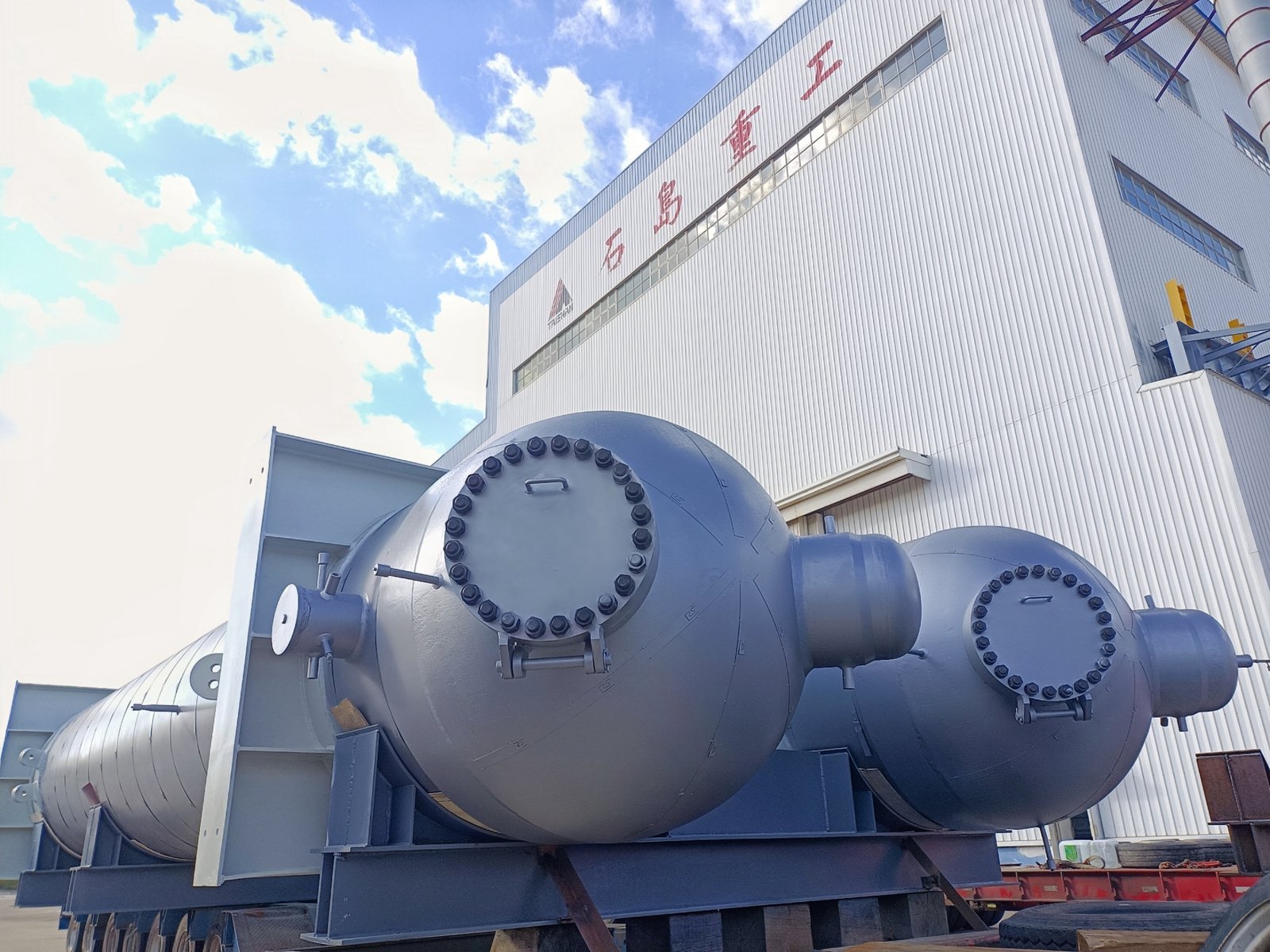
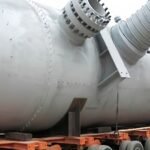
Representative industrial heat exchanger photograph. This image is not evidence of LDPE service or approval for a particular licensed process.
Large Liquid Storage Tanks
Where the project requires liquid storage, specify the exact service rather than using a broad label such as “chemical tank.” Different liquids can require different materials, temperature limits, containment arrangements, and handling provisions.
For industrial storage tanks above 1,000 liters, define working volume, filling and withdrawal schedules, liquid properties, and relevant operating conditions. The storage requirement should follow the process and logistics plan.
This scope concerns complete project-scale tanks. It does not imply that all chemicals associated with an LDPE process are suitable for bulk storage in the same tank type or construction.
Build Equipment Datasheets Around Credible Operating Cases
Normal production data are only part of the specification. Buyers should obtain the relevant startup, shutdown, standby, cleaning, and upset cases from the process-design authority. These cases may affect materials, mechanical design, utility requirements, or connected-system interfaces.
HSE’s plant design guidance emphasizes identifying operational deviations and ensuring construction materials are compatible with process conditions, including excursions. It provides general engineering context; the applicable project standards and regulatory requirements must still be established for the installation location.
Keep operating requirements, design conditions, and test conditions clearly distinguished. Do not select pressure ratings or test values from generic examples. The responsible engineers should establish them for the actual service and applicable design basis.
Treat Materials and Cleanliness as Service-Specific Requirements
Provide the composition range, relevant impurities, cleaning chemicals, and expected temperatures for each equipment item. Materials selection should reflect actual exposure rather than rely on a generic requirement for stainless steel or corrosion resistance.
If the process requires particular cleanliness, surface condition, or contamination control, specify the requirement and acceptance method. The word “clean” is insufficient without an agreed basis.
Discuss how the required condition will be maintained after inspection and testing. Drying, preservation, closure protection, and storage instructions may affect packing and delivery. Any special requirements should be included early enough for the manufacturer to price and plan them.
Agree on Inspection and Documentation Before Fabrication
The inspection and test plan should identify required material records, fabrication procedures, examinations, dimensional checks, testing, and witness or hold points. Assign responsibility for purchaser, third-party, and licensor involvement where applicable.
Document approval should be tied to the relevant manufacturing activity. A drawing submitted for review is not automatically released for fabrication, and a preliminary datasheet should not silently become a final design instruction.
The final documentation package should be defined in the purchase order. Mechanical acceptance records establish compliance with the contracted equipment requirements; they do not demonstrate polymer yield, product grade, or overall plant performance.
Coordinate Layout and Delivery Interfaces Early
Complete equipment must fit the actual installation, not merely the process diagram. Confirm available space, maintenance access, connection interfaces, support information, and the boundaries between manufacturer drawings and site engineering.
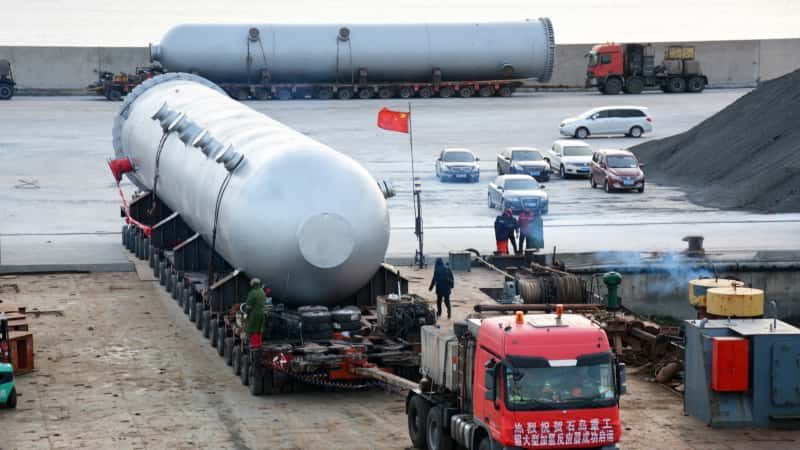
For large equipment, shipping dimensions and transport restrictions may influence the arrangement. Identify whether factory assembly, transport splits, or site completion work is proposed, and assign responsibility for the associated inspections and assembly activities.
Compare delivery schedules using the same milestones. Factory readiness, port delivery, arrival at site, and installed equipment are different commitments. Buyer document reviews and material-release dependencies should be visible in the schedule.
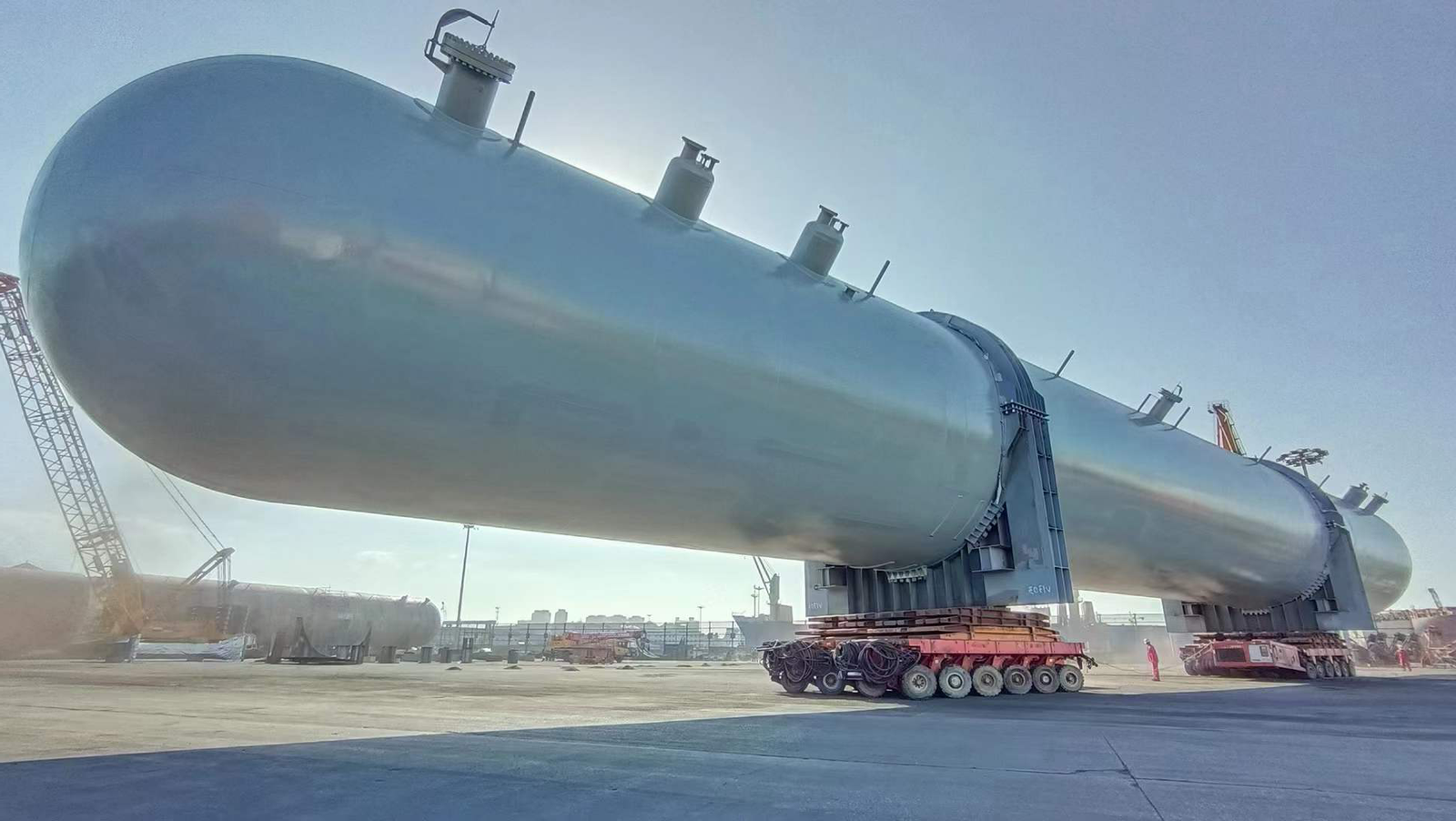
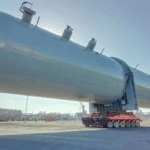
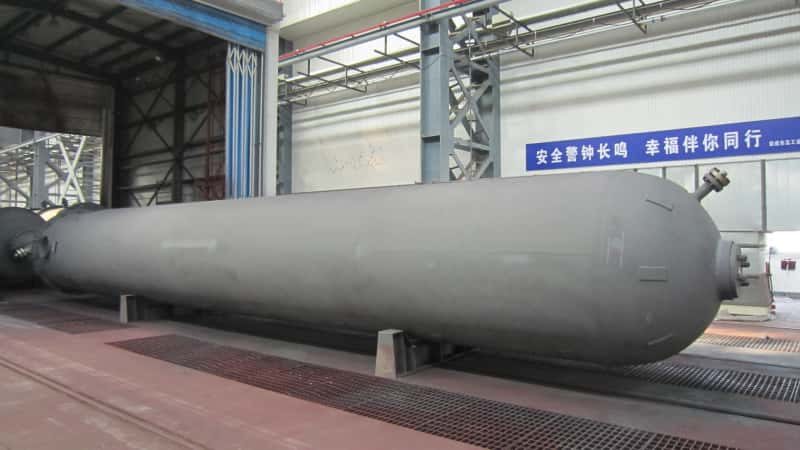
Representative storage vessel photograph. Final capacity, material, and service suitability require project-specific confirmation.
Compare Supplier Offers on a Consistent Basis
For petrochemical pressure vessel projects, use a scope matrix to compare complete deliverables. Identify engineering services, equipment quantities, inspection requirements, coating, preservation, documentation, transport, and exclusions.
WSHI’s stated capabilities include drawing coordination, material procurement, welding, nondestructive examination, pressure testing, coating, and heavy-equipment delivery. Any proposed LDPE-related equipment must still be assessed against its specific service, construction requirements, and purchaser approval process.
The quotation should not imply supply of licensed reactor technology, ultra-high-pressure process systems, or integrated plant performance unless those responsibilities and capabilities have been separately verified and expressly contracted.
FAQ
Does auxiliary equipment mean low-pressure equipment?
No. “Auxiliary” describes a project role or purchasing boundary. Actual pressure, temperature, and connected-system conditions must be evaluated for each item.
Can any pressure-vessel manufacturer supply LDPE plant equipment?
No. Qualification depends on the specific equipment duty, construction requirements, applicable standards, and any owner or licensor approval. General fabrication experience does not establish suitability for every LDPE application.
Does the licensing announcement confirm a new plant order?
No. The cited announcement concerns a licensing collaboration. It should not be presented as confirmation of a particular plant’s construction or procurement programme.
What should accompany an initial equipment inquiry?
Provide the approved equipment list, datasheets, available drawings, service conditions, materials requirements, approval responsibilities, inspection expectations, and delivery constraints. Mark preliminary information clearly.
Discuss Your Defined Auxiliary Equipment Scope
LDPE plant auxiliary equipment procurement works best when licensed technology and equipment-manufacturing responsibilities are clearly separated. For complete custom vessels, heat exchangers, or storage tanks above 1,000 liters within an approved project scope, discuss your requirements with our engineering team. Share the relevant datasheets, drawings, qualification requirements, and delivery needs for manufacturing assessment and scope coordination.