
When heat exchanger cross-contamination could spoil a product, contaminate a utility system, or create a hazardous reaction, the purchase specification needs more than “leak-tight construction.” Buyers should define the consequences of fluid mixing, the operating cases that matter, and how the complete equipment arrangement will prevent, detect, and respond to leakage.
For chemical manufacturers and EPC contractors, this is a system-level procurement question. Materials, mechanical design, inspection, monitoring, and operating responsibilities must work together. No pressure-test certificate or generic equipment description can establish an unconditional guarantee that two fluids will never mix throughout the equipment’s service life.
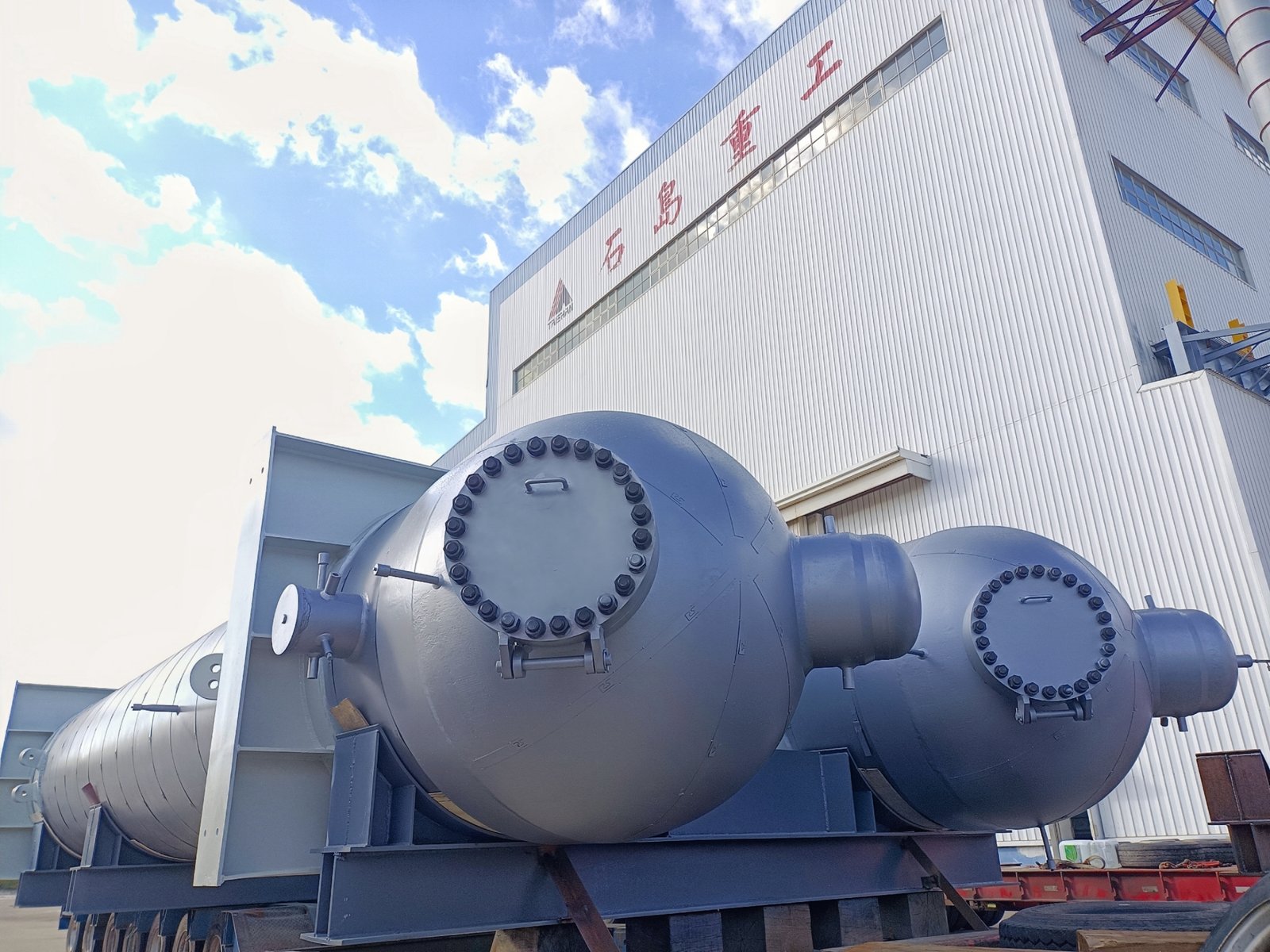
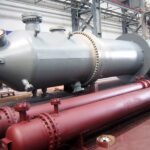
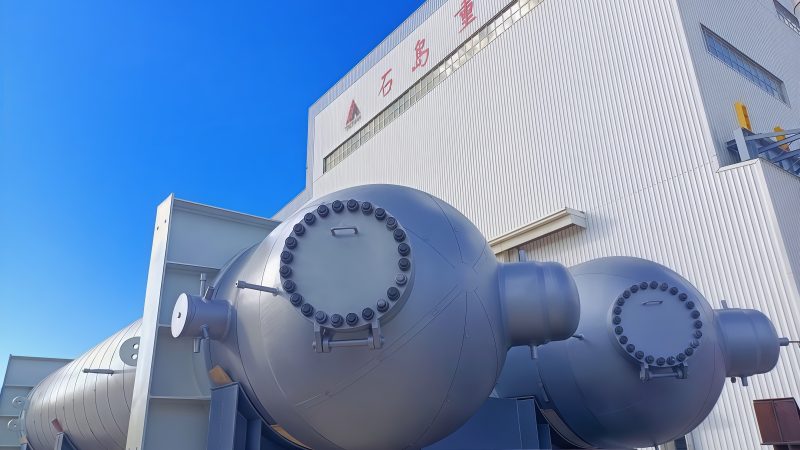
Representative industrial heat exchanger photograph. The image does not establish a particular containment arrangement or cross-contamination protection rating.
What Does Cross-Contamination Mean in a Heat Exchanger?
In an indirect heat exchanger, a heat-transfer surface separates the two streams. Cross-contamination occurs when material passes between those streams through an unintended leakage path. This differs from an external leak, although either event may have important consequences.
For a shell-and-tube exchanger, the assessment should consider the complete separating boundary and relevant failure mechanisms. The procurement objective is not to purchase individual sealing or tube components. It is to specify a complete exchanger and its associated protection requirements for the intended service.
HSE’s heat exchanger risk-control guidance identifies material selection, inspection, leak detection, and isolation among measures relevant to different failure modes. These measures serve different purposes and should not be treated as interchangeable.
Start With the Consequences of Mixing
Product Quality and Utility Contamination
Describe what happens if either stream enters the other. Cooling water entering a process stream may affect product quality, while process fluid entering a shared cooling-water circuit may spread contamination beyond the exchanger.
Identify relevant substances, acceptable product limits, utility requirements, and the consequences of an off-spec batch or contaminated return stream. “No contamination” should be translated into measurable requirements where possible, together with the required response if those requirements are not met.
A specification should distinguish a contractual acceptance limit from an analytical detection limit. A test result below the method’s detection capability does not establish that absolutely no transfer has occurred.
Chemical Interaction and Pressure Consequences
Where the fluids could react, release gas, generate heat, or create another hazardous condition when mixed, involve qualified process-safety personnel before selecting the equipment arrangement. Product-quality testing alone does not address those consequences.
Internal failure can also expose the lower-pressure side to a higher-pressure source. The Energy Institute’s guidance on shell-and-tube heat exchangers and tube failure addresses this pressure-protection issue. The appropriate assessment and protection strategy must be established for the actual installation, rather than inferred from normal operating pressures.
Define Pressure Conditions Throughout Operation
Review More Than the Normal Pressure Difference
Provide the pressure and temperature conditions on both sides during normal operation, startup, shutdown, standby, cleaning, and credible utility disturbances. Identify whether one side can remain pressurized while the other is depressurized.
Leakage driven by pressure difference may change direction when operating conditions change. A normal pressure relationship that favors one contamination direction should not be assumed to persist during every operating stage.
Request a documented review of the relevant combinations. The mechanical designer and process team should agree on design conditions and differential-pressure cases, including those applicable during testing.
Do Not Use Pressure Hierarchy as the Only Safeguard
Maintaining one stream at a higher pressure may form part of a particular protection strategy, but it is not a universal solution. It does not prevent the creation of a leakage path, and the consequences of reverse contamination may also be unacceptable.
The buyer should ask what happens if the intended pressure relationship is lost and who is responsible for monitoring and response. Any credited protective function needs an appropriate engineering basis, not merely a statement on the quotation.
Select the Complete Heat-Exchange Arrangement
A conventional shell-and-tube heat exchanger may be appropriate for some duties, while other applications may require a different containment strategy. The decision should follow the consequence assessment and available technical evidence.
Options for specialist review can include an intermediate heat-transfer loop or a construction incorporating an additional monitored boundary. These approaches are not equivalent, and they do not address every possible failure path in the same way. Their suitability, monitoring requirements, and availability must be confirmed before inclusion in the specification.
Do not assume that a particular arrangement is within a manufacturer’s verified scope. Ask the supplier to explain what its proposed construction protects against, what remains dependent on plant systems, and what limitations apply.
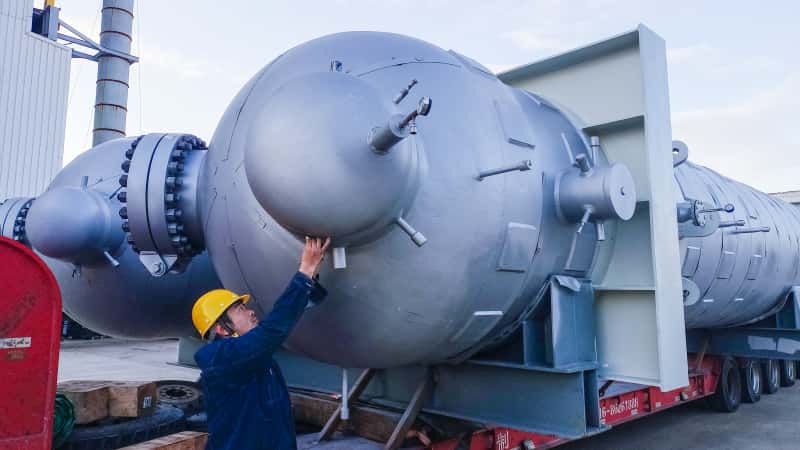
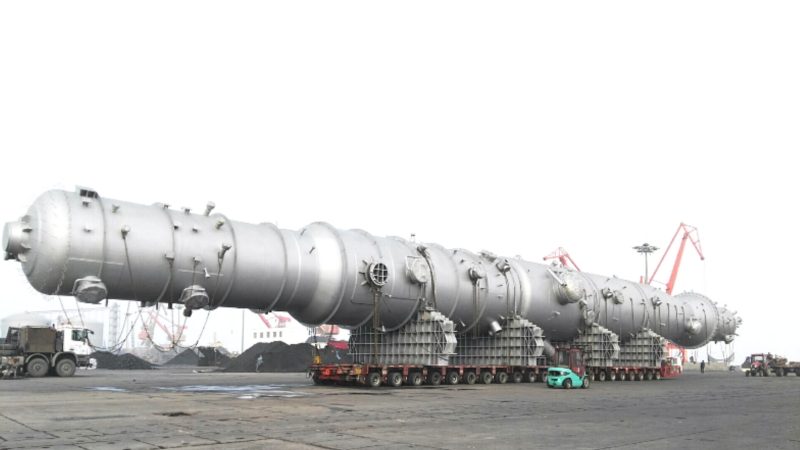
Representative exchanger configuration. A hairpin arrangement alone does not establish enhanced protection against cross-contamination.
Review Materials and Service-Related Damage
Provide the full composition and relevant impurities for both streams, along with cleaning chemicals and expected temperature ranges. A material suitable for the main process constituents may not be suitable for a contaminant, cleaning step, or changed operating condition.
Corrosion, erosion, vibration, fouling, and thermal effects should be considered where relevant to the duty. HSE’s plant design guidance identifies leakage and tube rupture among heat exchanger design concerns and emphasizes consideration of failure modes.
For procurement, request the materials basis and identify any need for specialist review or testing. Avoid treating a higher alloy grade, additional wall thickness, or a larger exchanger as a substitute for understanding the service.
Specify Leak Testing Separately From Pressure Testing
State What Each Test Must Demonstrate
A pressure test establishes compliance with specified mechanical acceptance requirements under defined test conditions. Depending on the procedure, it may also reveal leakage, but its sensitivity and purpose should not be assumed to match a separate cross-leak detection requirement.
If additional leak testing is required, define the boundary being examined, the test method, acceptance criterion, and required records through an approved engineering specification. A statement such as “helium tested” is incomplete without the relevant procedure and acceptance basis.
Test-medium compatibility, cleanliness, drying, and preservation requirements also deserve attention. They should be agreed with qualified personnel before testing, not left for resolution at dispatch.
Understand the Limits of Shop Acceptance
Passing a shop test does not predict every future operating condition. The test may occur at a different temperature, with different fluids, and without the service-related damage that can develop later.
Ask for a clear inspection and test plan linking material verification, fabrication inspection, pressure testing, any additional leak testing, and final acceptance. Do not confuse a complete documentation package with a guarantee of lifetime operational integrity.
Plan Detection and Response as Part of the Project
Where monitoring is required, select a method that can detect the relevant contaminant under actual operating conditions. Conductivity, pressure behavior, or periodic sampling may be useful in some services but inadequate in others. Detection capability, sampling location, response time, and background variation should be reviewed.
The project must also define what happens after detection. Identify responsibility for alarms, isolation, product segregation, utility-system assessment, and safe shutdown. Detecting contamination without an agreed response may not limit the consequence sufficiently.
These functions may fall outside the fabricated exchanger supply. The EPC contractor or package integrator should coordinate them explicitly rather than assume the equipment manufacturer provides a complete plant protection system.
Compare Manufacturing Scope and Delivery Requirements
For custom industrial heat exchangers, request a proposal that identifies engineering responsibilities, construction details, material records, examination scope, test procedures, and exclusions. Compare bidders against the same service cases and acceptance requirements.
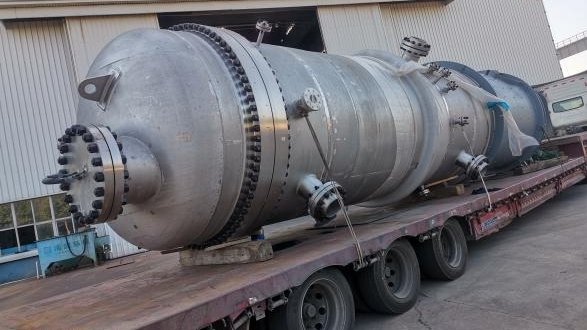
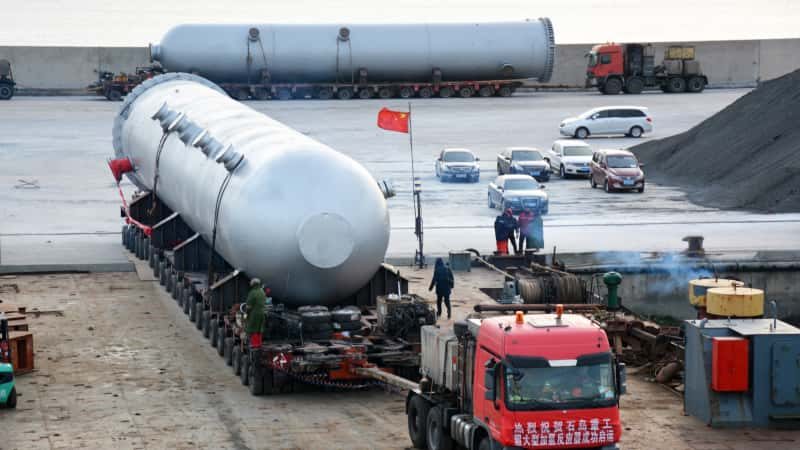
WSHI’s stated capabilities include drawing coordination, material procurement, welding, nondestructive examination, pressure testing, coating, and heavy-equipment delivery. Any special containment construction, enhanced leak-testing method, or system-level guarantee requires separate confirmation within the project quotation.
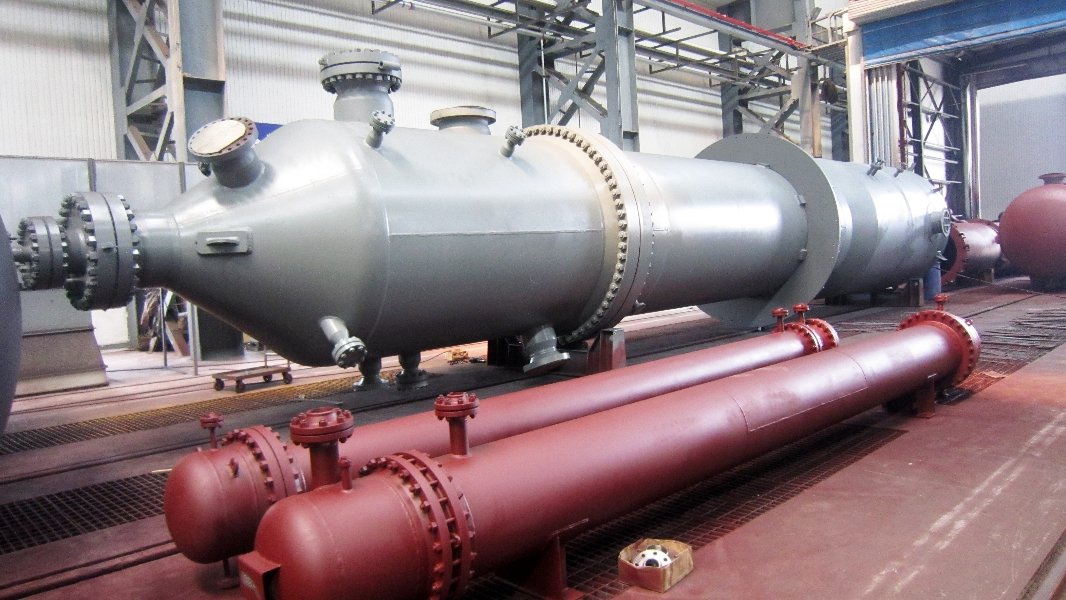
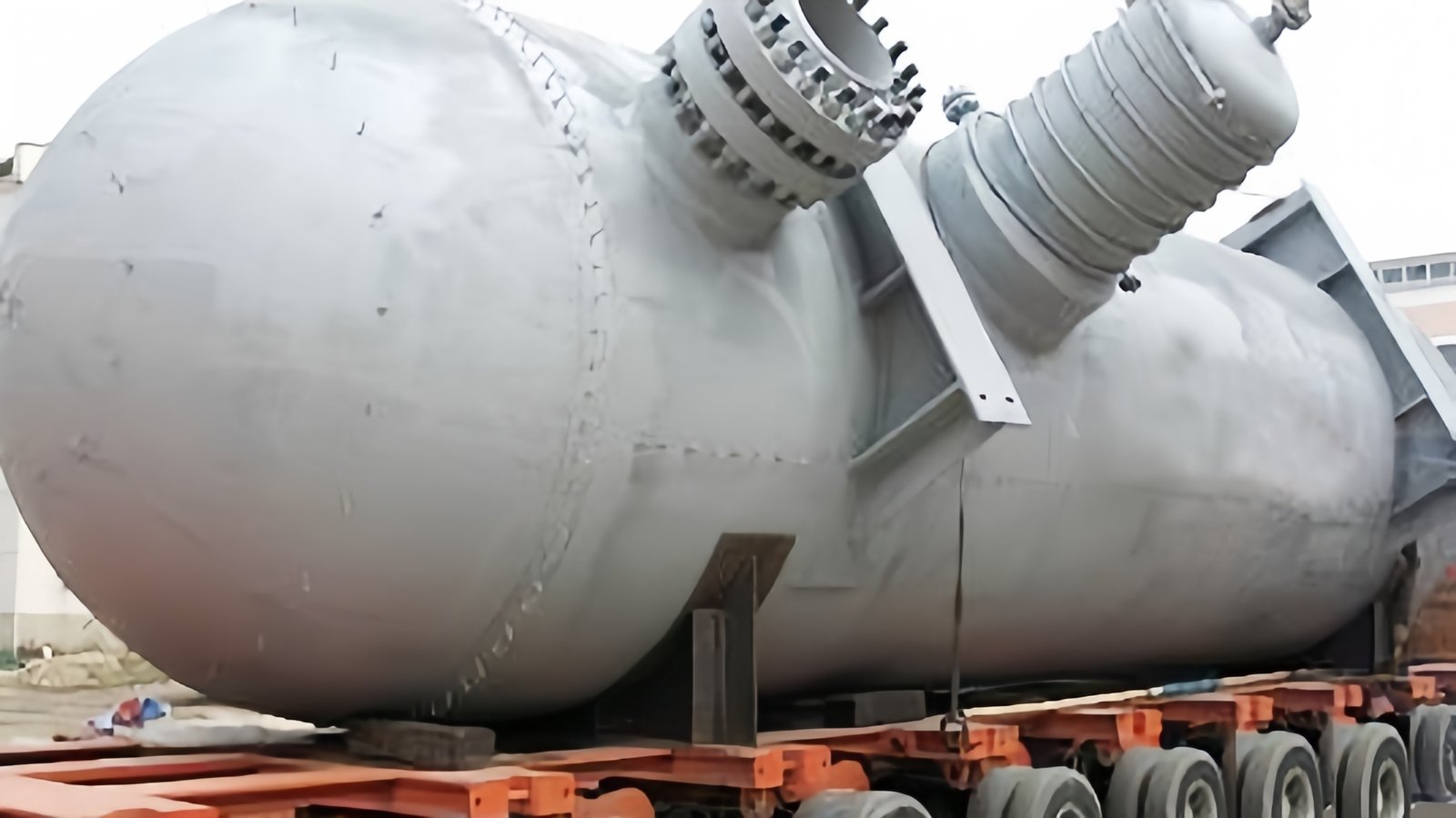
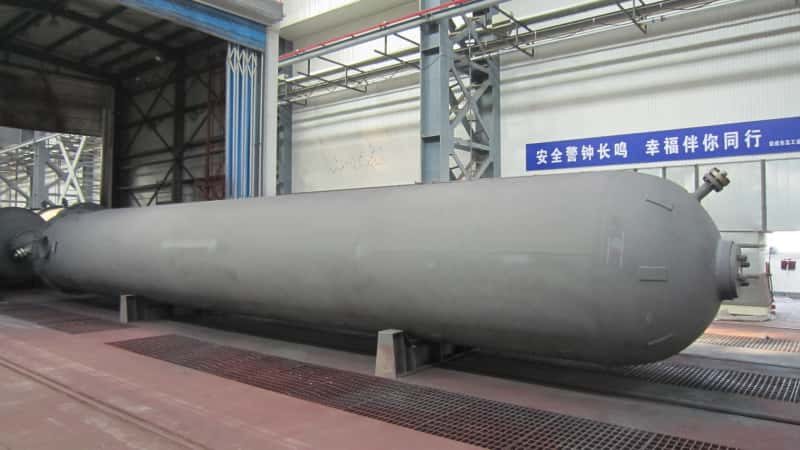
Representative manufacturing photograph. Special inspection and leakage acceptance requirements must be established in the contract.
Delivery planning should protect the condition established during manufacturing. Define preservation, transport protection, storage requirements, and the inspections required after installation. If equipment is opened or modified at site, determine whether additional verification is necessary before service.
For chemical-plant equipment projects, the final handover should clearly identify approved operating limits, inspection records, outstanding site responsibilities, and conditions requiring engineering review.
FAQ
Can a heat exchanger be guaranteed never to cross-contaminate?
An unconditional lifetime claim is not a credible substitute for engineering assessment. Specify the required containment strategy, test criteria, monitoring, operating limits, and contractual responsibilities instead.
Does a successful hydrostatic test prove there is no cross-leakage?
It proves that the equipment met the specified test requirements. Whether it establishes an adequate cross-leakage acceptance result depends on the procedure, test boundary, sensitivity, and agreed criteria.
Should the cleaner fluid always operate at higher pressure?
Not automatically. The preferred pressure relationship depends on the consequences of leakage in either direction and whether that relationship can be maintained through relevant operating conditions.
What information should accompany an initial inquiry?
Provide both fluid compositions, operating and design cases, contamination consequences, quality limits, available utility data, monitoring expectations, required tests, and the complete equipment supply boundary.
Discuss Your Contamination-Sensitive Heat Exchange Duty
Controlling heat exchanger cross-contamination requires a defined equipment and system strategy, not simply a “leak-tight” label. For projects requiring a complete custom exchanger, discuss your requirements with our engineering team. Share process conditions, materials requirements, contamination limits, inspection expectations, and delivery constraints for manufacturing assessment and scope coordination.