
In many industrial separation processes, inefficiencies, low purity outputs, and high operational costs often stem from poor phase contact or inadequate mass transfer. These issues can lead to product loss, environmental concerns, and increased downtime. Fortunately, extraction towers and columns provide a highly efficient solution by enabling controlled, continuous separation of components based on their physical and chemical properties.
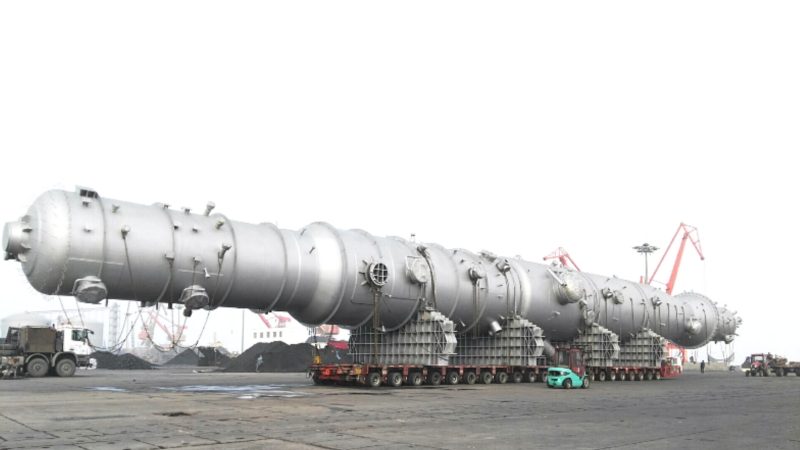
An extraction tower or column is a vertical separation device used to transfer one or more components from one liquid phase to another immiscible liquid phase through intimate contact. It works by maximizing surface interaction between phases—often via trays, packing, or agitation—allowing targeted compounds to move from the feed phase into the solvent phase based on solubility differences.

To fully understand how extraction towers and columns can optimize your process, it’s essential to explore their structure, working principles, types, and selection criteria. Let’s break it down step by step.
What Is an Extraction Tower & Column and Why Is It Used in Industry?
Industrial processes often struggle with separating complex mixtures efficiently, leading to wasted resources, inconsistent product quality, and rising operational costs. Without the right separation technology, industries like chemical processing, pharmaceuticals, and petrochemicals face bottlenecks that can directly impact profitability and safety. This is where extraction towers and columns come into play, offering a reliable and scalable solution for precise separation tasks.
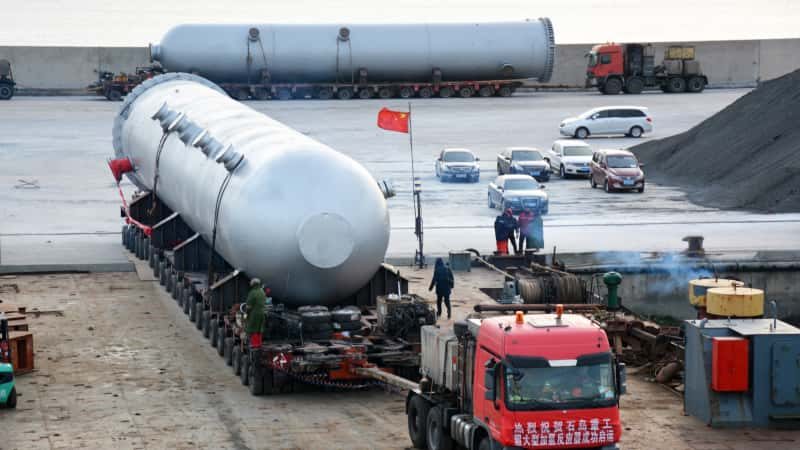
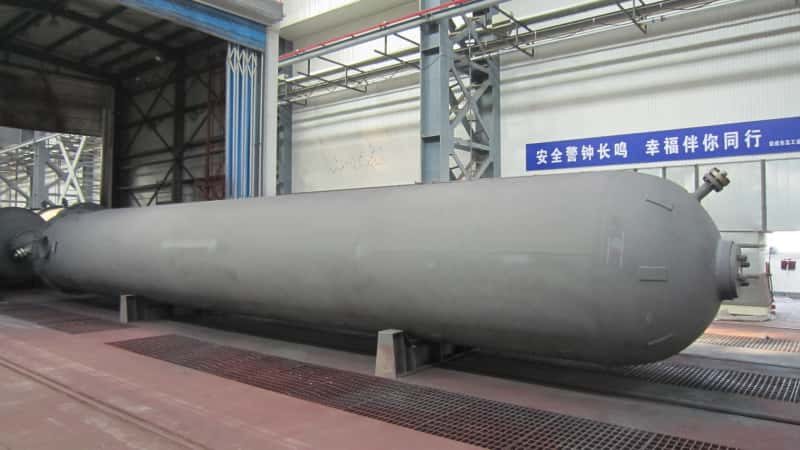
An extraction tower (or extraction column) is a vertical industrial vessel used to separate components of a liquid or gas mixture through mass transfer between phases, typically using solvent extraction or liquid-liquid extraction techniques. It is widely used because it enables continuous, efficient, and scalable separation of compounds based on their chemical affinity, density, or solubility differences.
To fully understand why extraction towers are indispensable in modern industry, it’s important to explore their working principles, design variations, and real-world applications in depth.
Extraction towers are only used in oil refineries.False
Extraction towers are widely used across multiple industries including pharmaceuticals, food processing, wastewater treatment, and chemical manufacturing, not just oil refineries.
Understanding the Core Concept of Extraction Towers
Extraction towers, also referred to as extraction columns, are engineered systems designed to facilitate mass transfer between two immiscible phases—most commonly liquid-liquid systems. The fundamental idea is simple yet powerful: when two liquids that do not mix (like oil and water) come into contact, certain components preferentially transfer from one phase to the other based on solubility and chemical affinity. However, achieving this efficiently at an industrial scale requires highly controlled environments, which is precisely what extraction towers provide.
In practical operation, one phase—called the feed phase—enters the column and interacts with a second phase, known as the solvent. The solvent selectively dissolves specific components from the feed. Inside the column, this interaction is enhanced by internal structures such as trays, packing materials, or rotating discs that increase the contact surface area between the phases. The result is a continuous and efficient separation process where the desired component is transferred to the solvent phase and then recovered downstream.
The design of extraction towers ensures optimal residence time, controlled flow rates, and maximum interfacial contact. Engineers must carefully balance factors such as density difference, viscosity, interfacial tension, and temperature to ensure effective separation. In high-performance systems, even minor inefficiencies can lead to significant economic losses, making precision design essential.
Types of Extraction Towers and Columns
Extraction towers are not one-size-fits-all solutions. Different industrial requirements have led to the development of several types of columns, each optimized for specific conditions and separation challenges.
Packed Extraction Columns
Packed columns are filled with structured or random packing materials that create a large surface area for phase interaction. These materials can be made from metal, plastic, or ceramic and are designed to promote efficient mixing without excessive pressure drop. Packed columns are widely used in processes where gentle contact is required, such as in the pharmaceutical or food industries, where shear-sensitive compounds must be preserved.
Tray (Plate) Columns
Tray columns use a series of horizontal plates stacked vertically inside the column. Each tray acts as a stage where the two phases come into contact. The design allows for precise control of phase interaction and is particularly effective in systems requiring multiple equilibrium stages. Tray columns are commonly used in large-scale petrochemical operations due to their robustness and scalability.
Rotating Disc Contactor (RDC)
The RDC is a more advanced type of extraction column that uses rotating discs to enhance mixing between phases. The mechanical agitation increases mass transfer efficiency, making RDCs suitable for systems with low interfacial tension or slow diffusion rates. These columns are often used in nuclear fuel reprocessing and other high-precision applications.
Spray Columns
Spray columns are among the simplest designs, where one phase is dispersed as droplets into another phase. While they are cost-effective and easy to maintain, their efficiency is generally lower compared to packed or tray columns. They are typically used in applications where high precision is not critical.
Key Components and Internal Design Features
The effectiveness of an extraction tower largely depends on its internal configuration. Several critical components work together to ensure optimal performance.
One of the most important elements is the distributor system, which ensures even distribution of the incoming phases. Poor distribution can lead to channeling, where fluids bypass the intended contact areas, significantly reducing efficiency. Collectors and redistributors are also used to maintain uniform flow throughout the column.
Internals such as packing materials or trays are designed to maximize interfacial area while minimizing pressure drop. In high-capacity systems, structured packing is often preferred due to its superior performance characteristics. Additionally, demisters may be installed at the top of the column to prevent entrainment of one phase into another, ensuring product purity.
Temperature control systems and pressure monitoring devices are also integrated into modern extraction towers to maintain stable operating conditions. Automation and digital monitoring have further enhanced the reliability and efficiency of these systems, allowing real-time adjustments based on process data.
Industrial Applications of Extraction Towers
Extraction towers are used across a wide range of industries due to their versatility and efficiency. In the petrochemical industry, they play a crucial role in refining crude oil and separating valuable hydrocarbons. For example, aromatic extraction processes rely heavily on solvent extraction columns to isolate compounds like benzene, toluene, and xylene.
In the pharmaceutical industry, extraction columns are used to purify active ingredients and remove impurities. The ability to perform gentle yet effective separation makes them ideal for handling sensitive compounds. Similarly, in the food and beverage industry, extraction towers are used for processes such as decaffeination of coffee and extraction of flavors and essential oils.
Environmental applications are also significant. Extraction towers are used in wastewater treatment to remove contaminants and recover valuable materials. For instance, heavy metals can be extracted from industrial effluents using solvent extraction techniques, reducing environmental impact and enabling resource recovery.
Advantages of Using Extraction Towers
One of the primary advantages of extraction towers is their ability to operate continuously, which is essential for large-scale industrial processes. Continuous operation not only improves efficiency but also reduces labor and operational costs. Additionally, extraction towers offer high separation efficiency, even for complex mixtures that are difficult to separate using other methods like distillation.
Another key benefit is flexibility. By adjusting parameters such as solvent type, flow rate, and temperature, extraction towers can be adapted to a wide range of applications. This versatility makes them a valuable asset in industries that require frequent process changes or handle multiple products.
Energy efficiency is also a major advantage. Compared to thermal separation methods, solvent extraction often requires less energy, particularly when dealing with heat-sensitive materials. This not only reduces operational costs but also minimizes environmental impact.
Comparison with Other Separation Technologies
To better understand the value of extraction towers, it is helpful to compare them with other common separation methods.
| Method | Principle | Energy Consumption | Suitability for Heat-Sensitive Materials | Efficiency |
|---|---|---|---|---|
| Distillation | Boiling point difference | High | Low | High |
| Filtration | Particle size difference | Low | High | Medium |
| Adsorption | Surface interaction | Medium | High | Medium |
| Extraction Tower | Solubility/affinity difference | Low to Medium | High | High |
Extraction towers stand out for their balance of efficiency, energy consumption, and versatility, particularly in applications where thermal methods are not suitable.
Key Design Parameters and Engineering Considerations
Designing an extraction tower requires careful consideration of multiple parameters to ensure optimal performance.
| Parameter | Importance | Impact on Performance |
|---|---|---|
| Phase Density Difference | Affects separation efficiency | Higher difference improves separation |
| Interfacial Tension | Influences droplet formation | Lower tension enhances mass transfer |
| Flow Rate | Determines residence time | Too high reduces efficiency |
| Temperature | Affects solubility and viscosity | Must be optimized for system |
| Column Height | Defines number of contact stages | Taller columns improve separation |
Engineers must use advanced modeling and simulation tools to optimize these parameters. Computational fluid dynamics (CFD) and process simulation software are commonly employed to predict performance and identify potential issues before construction.
Real-World Case Study
In a large petrochemical plant, an extraction column was used to separate aromatics from a hydrocarbon mixture. By switching from a traditional tray column to a structured packed column, the plant achieved a 20% increase in separation efficiency and a 15% reduction in energy consumption. This not only improved product quality but also resulted in significant cost savings over time.
Similarly, in a pharmaceutical application, the use of a rotating disc contactor allowed for precise control of extraction conditions, leading to higher purity levels and reduced waste. These examples highlight the tangible benefits of selecting the right extraction technology.
Conclusion
Extraction towers and columns are essential components in modern industrial processes, providing efficient, flexible, and scalable solutions for separating complex mixtures. Their ability to handle a wide range of applications—from petrochemicals to pharmaceuticals and environmental management—makes them indispensable in today’s manufacturing landscape. By understanding their design, operation, and advantages, businesses can make informed decisions that enhance productivity and reduce costs.
Contact Us for Expert Solutions
If you are looking for high-performance extraction towers or need expert guidance on selecting the right system for your application, our engineering team is ready to help. Contact us today to discuss your requirements and discover how our customized solutions can optimize your process efficiency and profitability.
How Does an Extraction Tower & Column Work Step by Step?
When traditional separation methods like distillation become too energy-intensive or ineffective for certain mixtures, industries often struggle with low efficiency, high costs, and inconsistent product quality. This is especially true when dealing with heat-sensitive materials or components with similar boiling points. Extraction towers provide a practical solution by enabling selective separation based on solubility differences rather than temperature.
An extraction tower (or extraction column) works by continuously bringing two immiscible phases—typically liquids—into countercurrent contact, allowing a target component to transfer from the feed phase into a solvent phase, and finally producing two خروج streams: a purified raffinate and a solute-rich extract.
To better understand this process, let’s walk through the key steps in a clear and practical way.
Step 1: Feed Introduction
The process begins when the feed mixture enters the column through a controlled inlet. This feed contains the component that needs to be separated. Proper distribution is critical to ensure uniform flow and avoid inefficiencies like channeling.
Step 2: Solvent Injection
A carefully selected solvent is introduced from the opposite end of the column. This creates a countercurrent flow, which is essential for maximizing mass transfer efficiency. The solvent must have a strong affinity for the target component.
Step 3: Phase Contact and Dispersion
Inside the column, internal structures such as trays or packing materials help disperse one phase into the other. This forms droplets and significantly increases the contact surface area between the two liquids.
Step 4: Mass Transfer Mechanism
Due to differences in solubility and concentration gradients, the target component transfers from the feed phase into the solvent phase. This is the core separation step and determines overall efficiency.
Step 5: Repeated Contact Along the Column
As the two phases move in opposite directions, they repeatedly contact each other throughout the column height. Each interaction improves the degree of separation, similar to multiple equilibrium stages.
Step 6: Phase Disengagement
After contact, the two phases begin to separate naturally due to density differences. Good column design ensures efficient separation without excessive mixing or emulsion formation.
Step 7: Raffinate Outlet
The original phase, now depleted of the target component, exits the column as the raffinate. Its composition indicates how effective the extraction process has been.
Step 8: Extract Outlet
The solvent phase, now enriched with the target component, exits as the extract. This stream is typically sent to a downstream process to recover the solute and recycle the solvent.
Extraction columns rely on selective solubility differences rather than boiling point differences to achieve separation.True
Unlike distillation, extraction columns separate components based on their affinity for different phases, making them suitable for heat-sensitive or close-boiling mixtures.
Key Process Overview
| Step | What Happens | Why It Matters |
|---|---|---|
| Feed Entry | Mixture enters column | Ensures proper starting conditions |
| Solvent Entry | Solvent flows opposite direction | Maximizes efficiency |
| Contact | Droplets form and mix | Increases mass transfer area |
| Transfer | Solute moves to solvent | Core separation step |
| Repetition | Multiple contacts occur | Improves purity |
| Separation | Phases disengage | Enables clean outputs |
| Raffinate | Depleted stream exits | Confirms removal efficiency |
| Extract | Enriched solvent exits | Enables recovery |
Why This Step-by-Step Process Matters
The effectiveness of an extraction tower depends on maintaining the right balance between mixing and separation. Too much mixing can cause emulsions, while too little reduces efficiency. Factors such as solvent choice, flow rate, temperature, and internal design all influence performance.
In real industrial applications—such as petrochemicals, pharmaceuticals, and wastewater treatment—this step-by-step mechanism allows for continuous, scalable, and energy-efficient separation that would otherwise be difficult or impossible.
Conclusion
An extraction tower works by combining controlled contact, mass transfer, and phase separation in a continuous system. By understanding each step—from feed entry to extract recovery—engineers and operators can optimize performance, reduce costs, and ensure consistent product quality.
If you are planning to select or optimize an extraction column for your process, feel free to contact us for expert guidance and customized industrial solutions.
What Are the Different Types of Extraction Tower & Column Designs?
![Featured Image Placeholder: Various industrial extraction columns including packed column, tray column, rotating disc contactor, and pulsed column shown side-by-side in a chemical plant setting.]
AI Image Prompt: extraction tower types comparison + industrial engineering illustration style + multiple columns including packed column, tray column, rotating disc contactor (RDC), pulsed column with internal structures visible + chemical processing plant background with pipes and valves + professional technical atmosphere + clean lighting with metallic textures
Choosing the wrong extraction column design can lead to poor separation efficiency, high solvent consumption, unstable operation, and costly downtime. Many engineers and plant managers struggle to match the right column type with their specific process conditions, especially when dealing with complex liquid-liquid systems. The good news is that understanding the different extraction tower designs allows you to select the most efficient, reliable, and cost-effective solution for your application.
Extraction towers and columns come in several main designs—including packed columns, tray (plate) columns, rotating disc contactors (RDC), pulsed columns, and spray columns—each optimized for specific mass transfer efficiency, flow conditions, and industrial applications. The best choice depends on factors such as phase properties, required separation efficiency, throughput, and operating stability.
To make the right decision, it’s essential to explore how each type works, where it performs best, and what advantages or limitations it brings.
All extraction columns operate with the same internal design regardless of application.False
Different extraction column designs use distinct internal structures such as packing, trays, or mechanical agitation to optimize performance for specific process conditions.
Packed Extraction Columns


Packed columns are among the most widely used extraction tower designs, especially in applications requiring low pressure drop and high surface area. These columns are filled with structured or random packing materials that promote intimate contact between the two liquid phases. As the fluids flow through the packing, they continuously break and reform, increasing interfacial area and enhancing mass transfer.
One of the key advantages of packed columns is their energy efficiency and relatively simple construction. They are particularly suitable for systems where shear-sensitive materials are involved, such as in pharmaceuticals or food processing. However, their performance depends heavily on good liquid distribution. Poor distribution can lead to channeling, significantly reducing efficiency.
From a design perspective, structured packing offers better performance than random packing due to its uniform geometry and predictable flow paths. Materials such as stainless steel, plastic, or ceramic are selected based on corrosion resistance and process compatibility.
Tray (Plate) Extraction Columns


Tray columns use a series of horizontal plates stacked inside the column, creating multiple discrete contact stages. Each tray allows one phase to pass through the other, forming droplets and enabling mass transfer at each level.
These columns are known for their robustness and scalability, making them ideal for large-scale petrochemical and chemical processing industries. They provide better stage-by-stage control compared to packed columns, which is useful when precise separation is required.
However, tray columns generally have a higher pressure drop and may be less suitable for systems with very low interfacial tension, where stable droplet formation is difficult. Maintenance can also be more complex due to the internal hardware.
Rotating Disc Contactor (RDC)


The Rotating Disc Contactor (RDC) is a mechanically agitated extraction column that uses rotating discs mounted on a central shaft. These discs create controlled turbulence, improving droplet formation and mass transfer efficiency.
RDCs are particularly effective in systems with low density differences or low interfacial tension, where natural mixing would be insufficient. They are widely used in nuclear fuel reprocessing, hydrometallurgy, and high-purity chemical applications.
The main advantage of RDCs is their high efficiency in difficult separations, but this comes at the cost of higher mechanical complexity and maintenance requirements due to moving parts.
Pulsed Extraction Columns


Pulsed columns introduce an oscillating motion (pulsation) to the liquid phases, typically using a piston or diaphragm system. This pulsation enhances mixing and droplet formation without requiring rotating mechanical parts inside the column.
These columns are known for their excellent mass transfer efficiency and stable operation, especially in systems requiring high purity. They are commonly used in nuclear and specialty chemical industries.
One of their strengths is the ability to handle a wide range of flow rates and phase properties, but they require additional external equipment to generate pulsation, increasing system complexity.
Spray Columns


Spray columns are the simplest type of extraction tower, where one liquid phase is dispersed into another in the form of droplets without internal structures like trays or packing.
They are easy to design, low-cost, and require minimal maintenance. However, their mass transfer efficiency is relatively low compared to other designs because the contact area is limited and not actively enhanced.
Spray columns are typically used in applications where high precision is not critical or where simplicity and low capital cost are priorities.
Comparison of Extraction Column Types
| Column Type | Internal Mechanism | Efficiency | Complexity | Best For |
|---|---|---|---|---|
| Packed Column | Structured/random packing | High | Low–Medium | General chemical, pharma |
| Tray Column | Stage-wise trays | High | Medium | Large-scale petrochemical |
| RDC | Rotating discs | Very High | High | Difficult separations |
| Pulsed Column | Oscillation/pulsation | Very High | Medium–High | Nuclear, high purity |
| Spray Column | Simple droplet dispersion | Low–Medium | Low | Low-cost applications |
Key Selection Criteria
Choosing the right extraction tower design depends on several practical factors:
| Factor | Recommended Design Insight |
|---|---|
| High efficiency required | RDC or Pulsed Column |
| Low pressure drop needed | Packed Column |
| Large-scale operation | Tray Column |
| Difficult phase properties | RDC |
| Low cost / simple operation | Spray Column |
Conclusion
Different extraction tower and column designs are developed to handle specific industrial challenges. From simple spray columns to highly efficient rotating disc contactors, each type offers unique advantages depending on the process requirements. Understanding these differences allows engineers and decision-makers to select the most suitable system, ensuring optimal performance, cost efficiency, and long-term reliability.
Contact Us for Expert Support
If you are selecting an extraction column or optimizing an existing process, our engineering team can help you choose the most suitable design based on your operating conditions. Contact us today for customized solutions and professional technical support.
What Factors Affect the Efficiency of an Extraction Tower & Column?
![Featured Image Placeholder: Industrial extraction column with highlighted zones showing droplet formation, phase contact, and mass transfer regions.]
AI Image Prompt: extraction column efficiency factors + technical cutaway illustration style + vertical extraction tower showing droplet dispersion, phase contact zones, solvent and feed flow arrows, temperature and flow indicators + modern chemical plant environment + analytical and professional atmosphere + bright industrial lighting
In many industrial operations, an extraction tower may appear to be running normally—flows are steady, equipment is intact—but the separation efficiency is still far below expectations. This leads to higher solvent consumption, off-spec products, energy waste, and increased operational costs. The root problem is often not the equipment itself, but the underlying factors that directly influence mass transfer efficiency and phase separation inside the column.
The efficiency of an extraction tower or column is mainly affected by factors such as solvent selection, flow rates, phase properties (density, viscosity, interfacial tension), temperature, column internals (packing or trays), droplet size, and residence time. Optimizing these parameters ensures maximum mass transfer and stable phase separation.
To truly improve performance, it is essential to understand how each factor works and how they interact within the system.
Increasing solvent flow rate always improves extraction efficiency without drawbacks.False
While higher solvent flow can enhance mass transfer, excessive flow can cause flooding, increased costs, and reduced phase separation efficiency.
1. Solvent Selection (Most Critical Factor)


The choice of solvent is the single most important factor affecting extraction efficiency. A good solvent must have a strong affinity for the target component, meaning it should preferentially dissolve the desired solute over other components. This is often described by the distribution coefficient.
Key solvent properties include:
- High selectivity for the target compound
- Low miscibility with the feed phase
- مناسب viscosity and density difference
- Chemical stability and low toxicity
- Easy recovery and recyclability
If the solvent is poorly chosen, even the best-designed extraction column will perform inefficiently. In industrial practice, solvent screening and pilot testing are essential before full-scale implementation.
2. Flow Rates of Feed and Solvent


Flow rate determines how much contact time and interaction occurs between phases. The solvent-to-feed ratio is particularly important.
- Low solvent flow → insufficient extraction
- High solvent flow → better extraction but higher cost and risk of flooding
Balanced flow rates ensure optimal contact without causing hydraulic instability. In real operations, flow control is continuously adjusted to maintain performance.
3. Droplet Size and Interfacial Area


Mass transfer occurs at the interface between two phases, so interfacial area is critical.
- Smaller droplets → larger surface area → better mass transfer
- Too small droplets → difficult separation, emulsions
- Large droplets → poor efficiency
The goal is to maintain an optimal droplet size that balances contact and separation. This is heavily influenced by column internals and fluid properties.
4. Physical Properties of the Phases


Several physical properties directly affect performance:
- Density difference → affects phase separation speed
- Viscosity → influences droplet movement and diffusion
- Interfacial tension → controls droplet formation
For example:
- High viscosity slows mass transfer
- Low density difference makes separation difficult
- Very low interfacial tension can cause emulsions
These properties must be considered during both design and operation.
5. Column Internals (Packing, Trays, or Agitation)

The internal design determines how effectively the phases contact each other.
- Packed columns → high surface area, low pressure drop
- Tray columns → stage-wise contact, good control
- RDC / pulsed columns → enhanced mixing for difficult systems
Poor internal design or fouling can drastically reduce efficiency by limiting contact area or causing uneven flow.
6. Temperature and Operating Conditions


Temperature affects:
- Solubility of the solute
- Viscosity of fluids
- Diffusion rates
Higher temperatures often improve mass transfer but may reduce selectivity or damage sensitive materials. Therefore, temperature must be optimized—not simply increased.
7. Residence Time and Column Height


Efficiency improves when phases have enough time to interact.
- Short residence time → incomplete extraction
- Longer residence time → better separation (up to a limit)
Column height and flow velocity determine how long the phases stay in contact.
8. Phase Distribution and Flow Uniformity


Uniform distribution is essential for consistent performance.
- Poor distribution → channeling → reduced efficiency
- Good distribution → full utilization of column area
Distributors and redistributors play a key role in maintaining uniform flow.
Summary Table: Key Efficiency Factors
| Factor | Impact on Efficiency | Optimization Strategy |
|---|---|---|
| Solvent Selection | Highest impact | Choose high selectivity solvent |
| Flow Rate | Controls contact | Optimize solvent-to-feed ratio |
| Droplet Size | Affects interface area | Balance mixing & separation |
| Physical Properties | Affects behavior | Adjust temperature or solvent |
| Column Internals | Determines contact | Select proper design |
| Temperature | Influences kinetics | Maintain optimal range |
| Residence Time | Controls completeness | Adjust column height/flow |
| Distribution | Ensures uniformity | Use proper distributors |
Conclusion
The efficiency of an extraction tower is not controlled by a single factor but by a combination of interacting variables. From solvent selection to flow dynamics and internal design, each element plays a critical role in determining how effectively mass transfer occurs.
Understanding and optimizing these factors allows industries to achieve higher purity, lower costs, and more stable operation—which is the ultimate goal of any separation process.
Contact Us for Optimization Support
If your extraction column is underperforming or you are designing a new system, our experts can help you optimize every critical parameter. Contact us today for tailored engineering solutions and performance improvement strategies.
How Do You Select the Right Extraction Tower & Column for Your Application?
![Featured Image Placeholder: Engineers reviewing extraction column designs with different types (packed, tray, RDC) in a chemical plant setting.]
AI Image Prompt: extraction column selection decision + industrial engineering style + multiple extraction towers (packed, tray, rotating disc contactor) with engineers analyzing process data and flow diagrams + chemical plant environment with pipelines and control panels + professional analytical atmosphere + balanced industrial lighting
Selecting the wrong extraction tower can lead to inefficient separation, excessive solvent use, unstable operation, and long-term financial losses. Many companies invest heavily in equipment only to discover that it does not match their process conditions, resulting in costly redesigns or operational limitations. The key challenge is that extraction performance depends on multiple interacting factors—chemistry, hydraulics, and mechanical design—so choosing the right column is not a one-size-fits-all decision.
To select the right extraction tower or column, you must match your process requirements—such as feed composition, solvent characteristics, separation targets, throughput, and operating conditions—with the most suitable column design (packed, tray, RDC, pulsed, or spray) to achieve optimal mass transfer efficiency, stability, and cost-effectiveness.
Understanding this selection process step by step will help you make a reliable, engineering-driven decision.
The tallest or most complex extraction column is always the best choice for any application.False
The optimal column depends on process conditions, not size or complexity. Overdesign can increase costs without improving efficiency.
Step 1: Define Your Separation Objective Clearly


The first and most critical step is to clearly define what you want to achieve:
- What component needs to be removed or recovered?
- What purity level is required?
- Is the goal purification, recovery, or waste treatment?
Without a clear objective, it is impossible to select the right equipment. In industrial practice, this step often involves lab testing and pilot studies to understand phase behavior and feasibility.
Step 2: Analyze Feed and Solvent Properties


The physical and chemical properties of both phases directly determine which column type will work best.
Key properties include:
- Density difference
- Viscosity
- Interfacial tension
- Solubility and selectivity
For example:
- Low density difference → may require RDC or pulsed column
- High viscosity → may need enhanced mixing design
- Easy separation → packed or tray column may be sufficient
Step 3: Determine Required Efficiency and Throughput


You must define:
- Required separation efficiency
- Processing capacity (flow rate)
- Continuous vs batch operation
High-throughput, large-scale plants often favor tray columns, while high-efficiency or difficult separations may require RDC or pulsed columns.
Step 4: Select the Appropriate Column Type


Based on your process conditions, choose the most suitable design:
| Column Type | Best Use Case | Key Advantage |
|---|---|---|
| Packed Column | General applications | Low pressure drop, simple |
| Tray Column | Large-scale operations | Good stage control |
| RDC | Difficult separations | High efficiency |
| Pulsed Column | High purity systems | Stable performance |
| Spray Column | Simple, low-cost needs | Easy maintenance |
The choice should balance performance, cost, and reliability.
Step 5: Evaluate Hydraulic and Mechanical Design


Even the right column type can fail if internal design is poor. Consider:
- Liquid distributors and redistributors
- Droplet formation mechanisms
- Pressure drop
- Risk of flooding or channeling
High-quality internals ensure consistent performance and long-term stability.
Step 6: Consider Operating Conditions and Control


Real-world operation requires stability and controllability:
- Temperature sensitivity
- Flow control flexibility
- Ease of startup and shutdown
- Automation and monitoring systems
A well-designed column should be easy to operate and adjust.
Step 7: Assess Cost and Lifecycle Value


Do not focus only on initial investment. Consider:
- Capital cost (CAPEX)
- Operating cost (OPEX)
- Maintenance requirements
- Solvent consumption
- Energy usage
Sometimes a higher initial investment (e.g., RDC) leads to lower long-term costs.
Step 8: Validate with Pilot Testing or Simulation


Before final selection, validate your design using:
- Pilot plant testing
- Process simulation software
- Vendor expertise and case studies
This reduces risk and ensures the chosen system will perform as expected.
Summary Table: Selection Checklist
| Factor | Key Question | Recommendation |
|---|---|---|
| Separation Goal | What do you need to remove? | Define clearly |
| Fluid Properties | Are phases easy to separate? | Match column type |
| Efficiency | How pure must the product be? | Choose appropriate design |
| Throughput | What is your capacity? | Scale accordingly |
| Design | Are internals optimized? | Ensure quality engineering |
| Operation | Is it easy to control? | Prefer stable systems |
| Cost | What is total lifecycle cost? | Optimize long-term value |
Conclusion
Selecting the right extraction tower or column is a multidimensional engineering decision. It requires balancing chemistry, process conditions, equipment design, and economic considerations. There is no universal “best” column—only the one that best fits your specific application.
By following a structured selection approach—from defining objectives to validating performance—you can ensure high efficiency, stable operation, and long-term cost savings.
Contact Us for Expert Guidance
If you are unsure which extraction column is right for your process, our team of experts can provide tailored recommendations based on your specific requirements. Contact us today to discuss your application and get a customized solution that maximizes performance and profitability.
What Are Common Challenges and Maintenance Tips for Extraction Tower & Column Operation?
![Featured Image Placeholder: Industrial extraction column maintenance with engineer inspecting internals and monitoring system performance.]
AI Image Prompt: extraction column maintenance challenges + industrial engineering style + engineer inspecting extraction tower internals, trays and packing, monitoring instruments and pipelines + chemical plant environment with safety equipment + professional technical atmosphere + bright industrial lighting
In real industrial environments, even a well-designed extraction tower can gradually lose efficiency due to operational challenges such as fouling, phase instability, or improper control. These issues often go unnoticed until product quality drops, solvent consumption rises, or the system becomes unstable. Without proper maintenance and troubleshooting strategies, small problems can escalate into costly downtime and equipment damage.
Common challenges in extraction tower operation include flooding, emulsification, channeling, solvent loss, and fouling, while effective maintenance involves regular inspection, proper flow control, cleaning of internals, monitoring phase behavior, and optimizing operating parameters to ensure stable and efficient performance.
Understanding both the problems and their solutions is essential for long-term reliability and cost control.
Extraction columns require little to no maintenance once installed.False
Like all industrial equipment, extraction columns require regular monitoring, cleaning, and optimization to maintain efficiency and prevent operational issues.
1. Flooding and Hydraulic Instability


Challenge:
Flooding occurs when the flow rates of the phases exceed the column’s handling capacity, causing liquid buildup, increased pressure drop, and loss of separation efficiency.
Causes:
- Excessive solvent or feed flow rate
- Poor internal design or blockage
- Changes in fluid properties
Maintenance Tips:
- Continuously monitor pressure drop across the column
- Maintain optimal flow rates (avoid overloading)
- Inspect internals for blockage or fouling
- Use proper startup/shutdown procedures to prevent sudden surges
2. Emulsification and Poor Phase Separation


Challenge:
Emulsions form when droplets become too stable and fail to separate, leading to cloudy outputs and contamination between phases.
Causes:
- Low interfacial tension
- Presence of surfactants or impurities
- Excessive agitation
Maintenance Tips:
- Control mixing intensity and avoid over-agitation
- Remove contaminants or surfactants in feed
- Adjust temperature to improve separation
- Install coalescers or settling zones if needed
3. Channeling and Maldistribution


Challenge:
Channeling occurs when fluids do not distribute evenly, causing some مناطق of the column to be underutilized.
Causes:
- Poor distributor design
- Damaged packing or trays
- Fouling or blockage
Maintenance Tips:
- Regularly inspect and clean distributors
- Replace damaged internals
- Ensure uniform flow during operation
- Use redistributors in tall columns
4. Fouling and Scaling of Internals


Challenge:
Deposits, scaling, or corrosion can reduce contact area and block flow paths, significantly lowering efficiency.
Causes:
- Impurities in feed
- Chemical reactions or precipitation
- Inadequate cleaning
Maintenance Tips:
- Schedule regular cleaning (CIP or shutdown cleaning)
- Use corrosion-resistant materials
- Pre-treat feed to remove solids
- Monitor pressure drop as an early indicator
5. Solvent Loss and Entrainment


Challenge:
Solvent droplets can be carried out with the raffinate, leading to losses and contamination.
Causes:
- High flow velocity
- Poor phase separation
- Lack of demisters or separators
Maintenance Tips:
- Install demisters or coalescers
- Optimize flow rates
- Maintain proper interface levels
- Monitor solvent balance regularly
6. Temperature and Process Fluctuations


Challenge:
Temperature changes can affect solubility, viscosity, and mass transfer efficiency.
Causes:
- Poor process control
- Inadequate heat exchange
- Environmental variations
Maintenance Tips:
- Use reliable temperature control systems
- Insulate equipment where necessary
- Monitor key parameters continuously
- Implement automated control loops
7. Instrumentation and Control Failures


Challenge:
Faulty sensors or control systems can lead to incorrect operation and hidden inefficiencies.
Causes:
- Sensor drift or failure
- Poor calibration
- Lack of maintenance
Maintenance Tips:
- Calibrate instruments regularly
- Implement redundancy for critical sensors
- Use real-time monitoring systems
- Train operators to recognize abnormal trends
Summary Table: Challenges & Solutions
| Challenge | Main Cause | Key Solution |
|---|---|---|
| Flooding | Excess flow | Control flow rates |
| Emulsification | Low interfacial tension | Adjust mixing & remove impurities |
| Channeling | Poor distribution | Maintain distributors |
| Fouling | Deposits | Regular cleaning |
| Solvent Loss | Entrainment | Install demisters |
| Temperature Issues | Poor control | Stabilize conditions |
| Instrument Failure | Calibration issues | Regular monitoring |
Practical Maintenance Strategy
A reliable extraction tower operation requires a preventive maintenance approach:
- Routine inspection of internals
- Monitoring pressure drop and flow rates
- Regular cleaning schedules
- Data-driven optimization using process analytics
- Operator training and standard operating procedures
By combining good design, proper operation, and proactive maintenance, companies can significantly extend equipment life and maintain high efficiency.
Conclusion
Extraction towers are highly effective but sensitive systems. Most operational problems—such as flooding, fouling, or emulsification—are manageable if identified early and addressed properly. Consistent monitoring and maintenance are the keys to stable, long-term performance.
Contact Us for Technical Support
If you are facing operational challenges or want to improve your extraction column performance, our experts are ready to help. Contact us for customized maintenance strategies and technical solutions tailored to your process.
Conclusion
Extraction towers and columns are indispensable in industries such as chemical processing, petrochemicals, pharmaceuticals, and food production. By understanding their working principles and selecting the right design, businesses can significantly enhance separation efficiency, reduce costs, and improve product quality.
Call to Action
FAQ
Q1: What is an extraction tower or column and what is its purpose?
An extraction tower or extraction column is a piece of industrial equipment used to separate components of a mixture based on their differing solubilities in two immiscible liquids, typically referred to as the feed phase and the solvent phase. This process is known as liquid-liquid extraction or solvent extraction. The primary purpose of an extraction tower is to selectively transfer a specific component (called the solute) from one liquid phase into another, thereby achieving separation and purification.
Extraction towers are widely used in industries such as chemical processing, petrochemicals, pharmaceuticals, food production, and environmental engineering. For example, they are used to remove impurities from crude oil fractions, recover valuable compounds from waste streams, and extract flavors or active ingredients in food and pharmaceutical processes.
The tower operates as a vertical column where two immiscible liquids flow in opposite directions (counter-current flow). One liquid is typically dispersed into the other in the form of droplets, increasing the surface area for mass transfer. As the liquids interact, the solute transfers from the feed phase to the solvent phase due to differences in concentration and solubility.
There are different types of extraction columns, including packed columns, tray columns, spray columns, and rotating disc contactors. Each type is designed to optimize contact between phases and improve separation efficiency depending on the application.
The effectiveness of an extraction tower depends on several factors, including the choice of solvent, flow rates, temperature, pressure, and the physical properties of the liquids involved. Proper design ensures maximum mass transfer while minimizing energy consumption and operational costs.
In summary, an extraction tower is a crucial tool in industrial separation processes, enabling efficient and scalable purification of mixtures that cannot be easily separated by distillation or other methods.
Q2: How does an extraction column work step by step?
An extraction column operates through a systematic process of contact and separation between two immiscible liquid phases. The goal is to transfer a target solute from one liquid (the feed) into another liquid (the solvent). Here is a step-by-step explanation of how it works:
- Introduction of Feed and Solvent
The process begins by introducing the feed liquid into one end of the column (usually the top) and the solvent into the opposite end (usually the bottom). The two liquids must be immiscible, meaning they do not mix completely. Counter-Current Flow
The feed and solvent flow in opposite directions, creating a counter-current system. This arrangement maximizes contact efficiency because fresh solvent continuously meets partially extracted feed, improving solute transfer.Dispersion of One Phase
One of the liquids is dispersed into the other in the form of droplets. This can occur through trays, packing materials, or mechanical agitation. The dispersion increases the interfacial area, which is critical for mass transfer.Mass Transfer Process
As the droplets move through the continuous phase, the solute diffuses from the feed phase into the solvent phase. This transfer is driven by concentration differences and the solute’s affinity for the solvent.Coalescence and Separation
After interaction, the dispersed droplets coalesce (merge) and separate due to density differences. The lighter liquid rises while the heavier liquid settles.Collection of Extract and Raffinate
The solvent-rich phase (called the extract) exits from one end of the column, while the depleted feed phase (called the raffinate) exits from the other end.Continuous Operation
The process is continuous, allowing for steady-state operation in industrial settings. Adjustments can be made to flow rates, temperature, or column design to optimize performance.
This step-by-step mechanism ensures efficient separation of components that are otherwise difficult to isolate using traditional methods like distillation.
Q3: What are the different types of extraction columns?
Extraction columns come in various designs, each suited to specific industrial needs and operating conditions. The choice of column depends on factors such as efficiency requirements, fluid properties, and cost considerations. The main types include:
1. Packed Columns
Packed columns are filled with structured or random packing materials that increase surface area for contact between the two liquid phases. They are widely used due to their high efficiency and relatively low pressure drop. These columns are ideal for systems requiring gentle mixing and minimal energy input.
2. Tray Columns (Plate Columns)
Tray columns contain a series of horizontal trays or plates that facilitate contact between the liquids. Each tray acts as a stage where mass transfer occurs. These columns are suitable for large-scale operations and offer good control over the process, though they may have higher energy requirements.
3. Spray Columns
In spray columns, one liquid is dispersed into another through nozzles, forming droplets that fall or rise through the column. These are simple in design and low in cost but generally less efficient compared to other types due to limited contact time and surface area.
4. Rotating Disc Contactors (RDC)
These columns use rotating discs to enhance mixing and dispersion. The mechanical agitation increases mass transfer efficiency significantly. RDCs are particularly useful when dealing with viscous liquids or when high efficiency is required.
5. Pulsed Columns
Pulsed columns introduce periodic pulses or vibrations to improve mixing and mass transfer. They are often used in nuclear and chemical industries where precise separation is critical.
6. Mixer-Settlers (Related Equipment)
Although not strictly columns, mixer-settlers perform a similar function in stages. They consist of mixing chambers followed by settling zones and are used when high separation efficiency is required.
Each type has its own advantages and limitations. For instance, packed columns are energy-efficient but may struggle with fouling, while RDCs provide excellent performance but are more complex and costly. Engineers select the appropriate type based on process requirements, scalability, and economic factors.
Q4: What factors affect the efficiency of an extraction tower?
The efficiency of an extraction tower depends on multiple operational and design factors that influence how effectively mass transfer occurs between the two liquid phases. Understanding these factors is essential for optimizing performance and achieving desired separation results.
1. Solvent Selection
The choice of solvent is critical. An ideal solvent should have high selectivity for the target solute, low miscibility with the feed, suitable density difference, low viscosity, and be chemically stable. Poor solvent choice can significantly reduce efficiency.
2. Flow Rates
The relative flow rates of the feed and solvent determine the contact time and mass transfer driving force. Too high a flow rate may reduce contact time, while too low a rate may decrease throughput.
3. Interfacial Area
Mass transfer occurs at the interface between the two liquids. Increasing the surface area through proper dispersion (droplet formation) enhances efficiency. This is influenced by column design, packing, and agitation.
4. Temperature and Pressure
Temperature affects solubility, viscosity, and diffusion rates. Higher temperatures generally improve mass transfer but may also increase solvent losses. Pressure is less critical in liquid-liquid systems but can still impact operation in some cases.
5. Density Difference
A sufficient density difference between the two phases ensures proper phase separation. If densities are too similar, separation becomes difficult and may require additional equipment.
6. Column Design and Internals
The type of column (packed, tray, RDC) and its internal components directly influence mixing, residence time, and efficiency. Poor design can lead to channeling or incomplete contact.
7. Viscosity and Surface Tension
High viscosity can hinder droplet formation and reduce mass transfer rates. Surface tension affects droplet size and stability, influencing interfacial area.
8. Operating Conditions and Maintenance
Fouling, corrosion, or improper operation can degrade performance over time. Regular maintenance and monitoring are essential.
By carefully controlling these factors, industries can maximize extraction efficiency, reduce energy consumption, and ensure consistent product quality.
Q5: Where are extraction towers used in real-world industries?
Extraction towers are widely used across various industries due to their ability to efficiently separate and purify components that are difficult to isolate using other methods. Their versatility makes them essential in both large-scale industrial processes and specialized applications.
1. Petrochemical Industry
In petrochemical plants, extraction towers are used to separate aromatic compounds, remove sulfur compounds, and purify hydrocarbons. They play a crucial role in refining crude oil and producing high-quality fuels and chemicals.
2. Pharmaceutical Industry
Extraction columns are used to isolate active pharmaceutical ingredients (APIs) from complex mixtures. They help in purifying compounds and removing impurities during drug manufacturing.
3. Food and Beverage Industry
In food processing, extraction towers are used to extract flavors, colors, and essential oils from natural sources. For example, they are used in the production of coffee, tea, and edible oils.
4. Environmental Engineering
Extraction towers help remove pollutants from wastewater and industrial effluents. They are used to extract harmful chemicals, heavy metals, or organic contaminants, making water safer for disposal or reuse.
5. Hydrometallurgy (Mining Industry)
In metal extraction processes, such as copper or uranium recovery, solvent extraction columns are used to separate valuable metals from ore leach solutions.
6. Nuclear Industry
Extraction columns are used in nuclear fuel reprocessing to separate radioactive elements safely and efficiently.
7. Biotechnology
They are also used in bioprocessing to separate biomolecules such as proteins and enzymes.
The widespread use of extraction towers highlights their importance in modern industry. Their ability to handle complex separations efficiently makes them indispensable in processes where precision and scalability are critical.
References
- Liquid-Liquid Extraction Principles – https://www.sciencedirect.com/topics/chemical-engineering/liquid-liquid-extraction – ScienceDirect
- Extraction Column Design – https://www.chemengonline.com – Chemical Engineering Magazine
- Mass Transfer Operations – https://www.mhhe.com/engcs/chemical – McGraw-Hill
- Perry’s Chemical Engineers’ Handbook – https://www.accessengineeringlibrary.com – AccessEngineering
- Solvent Extraction Basics – https://www.epa.gov – U.S. Environmental Protection Agency
- Chemical Process Equipment – https://www.wiley.com – Wiley
- Industrial Separation Processes – https://www.aiiche.org – AIChE
- Packed Column Design – https://www.chemengghelp.com – ChemEnggHelp
- Extraction Technology Overview – https://www.sciencedirect.com – Elsevier
- Hydrometallurgy and Solvent Extraction – https://www.springer.com – Springer