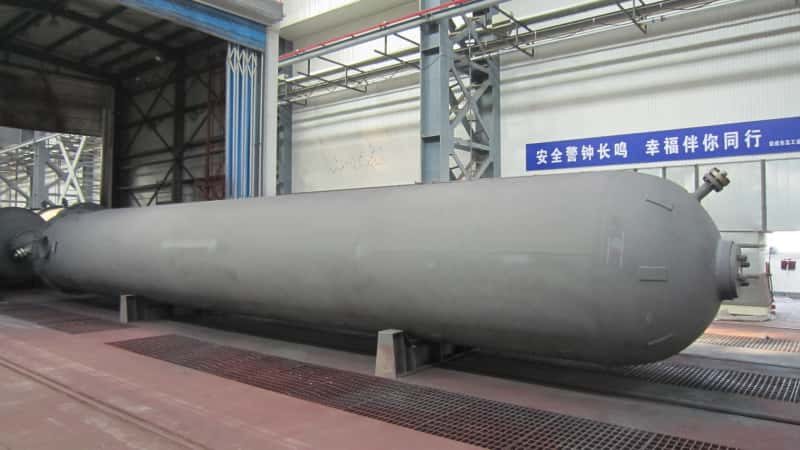
Wet natural gas can create serious operating problems if water vapor is not removed before transmission, processing, compression, or downstream use. Excess moisture may cause hydrate formation, pipeline corrosion, freezing, poor gas quality, and equipment damage, especially in high-pressure natural gas systems. A properly designed glycol dehydration unit removes water vapor by using a balanced combination of contact, circulation, regeneration, separation, heating, filtration, instrumentation, and safety equipment.
For EPC contractors, gas processing plant owners, and procurement teams, a glycol dehydration unit should not be treated as one standard skid. Its equipment list depends on gas flow rate, inlet pressure, inlet temperature, water content, outlet moisture target, gas composition, sour service, hydrocarbon carryover, emissions requirements, utilities, operating location, and maintenance strategy.
Quick Answer: What Equipment Is Used?
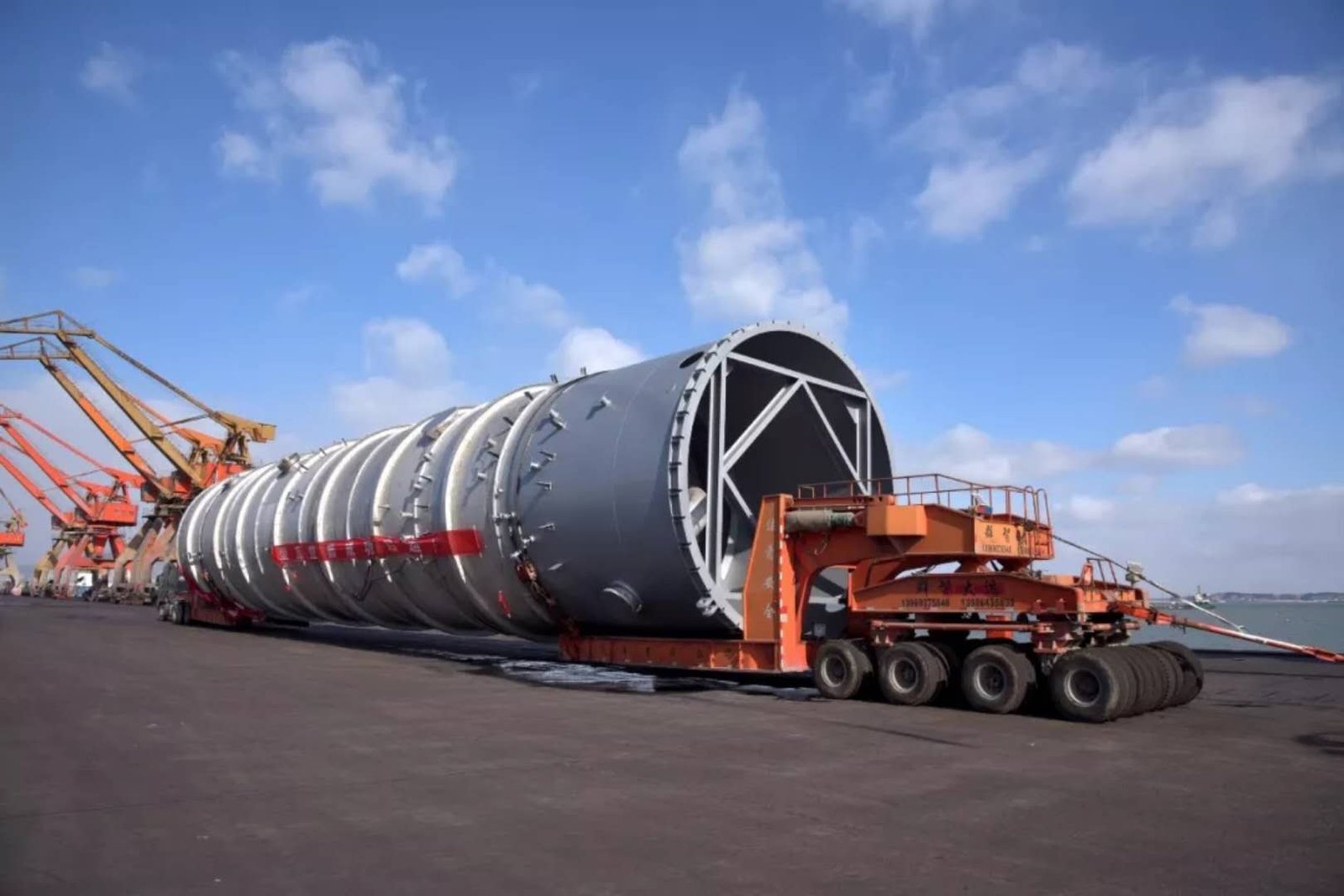
A glycol dehydration unit for natural gas processing typically includes an inlet scrubber, filter separator, glycol contactor or absorber tower, mist eliminator, lean glycol distributor, rich glycol outlet, glycol circulation pump, lean/rich glycol heat exchanger, flash tank separator, solids filter, activated carbon filter, glycol regenerator, still column, reboiler, surge tank, stripping gas system, glycol cooler, control valves, pressure safety devices, level controls, moisture analyzer, and instrumentation.
A glycol dehydration unit is a complete contact, circulation, regeneration, filtration, and control system, not only a glycol contactor tower.True
The contactor removes water from gas, but the glycol loop must also flash absorbed gas, filter contaminants, regenerate rich glycol, control reboiler heat, cool lean glycol, monitor moisture, and protect the unit with relief and shutdown systems.
Many vessels and components in a glycol dehydration package are part of the broader family of custom pressure vessels, process towers and columns, separators, storage vessels, and heat exchangers. Buyers planning gas processing packages can also review pressure vessels for oil and gas when coordinating dehydration units with upstream separators, compressors, pipelines, and utility systems.
How Glycol Dehydration Works
Most glycol dehydrators use triethylene glycol, commonly called TEG, as a liquid desiccant. Wet natural gas enters the contactor tower, usually near the bottom, and flows upward. Lean glycol enters near the top and flows downward across trays or packing. As the gas and glycol contact each other, the glycol absorbs water vapor from the gas. Dry gas exits from the top of the contactor, while rich glycol leaves the bottom and flows to the regeneration section.
The U.S. EPA describes glycol dehydrators as systems where wet gas contacts lean TEG in a contactor, rich TEG moves to regeneration, and lean TEG returns to the contactor. The same operating cycle means the equipment must be selected as one integrated loop, because poor regeneration, contaminated glycol, liquid carryover, or weak controls can all cause off-spec dry gas.
Main Equipment in a Glycol Dehydration Unit
| Equipment Group | Typical Items | Main Function |
|---|---|---|
| Gas inlet section | Inlet scrubber, filter separator, coalescer, ESD valve, drain system | Remove free liquids, aerosols, and solids before gas enters the contactor. |
| Absorption section | Glycol contactor tower, trays or packing, glycol distributor, mist eliminator | Contact wet gas with lean glycol so TEG absorbs water vapor. |
| Glycol circulation | Circulation pump, lean/rich exchanger, glycol cooler, surge tank, flow controls | Move rich and lean glycol through the loop at the required rate and temperature. |
| Rich glycol conditioning | Flash tank, solids filter, carbon filter, strainers, differential pressure gauges | Remove absorbed gas, light hydrocarbons, solids, and degradation products before regeneration. |
| Regeneration section | Still column, reboiler, reflux condenser, stripping gas system, vent controls | Remove absorbed water from rich glycol and restore lean glycol concentration. |
| Controls and safety | Level controls, temperature controls, relief valves, shutdowns, gas detection, moisture analyzer | Maintain stable operation, protect equipment, and verify dry gas quality. |
Gas Inlet Equipment
The inlet section protects the glycol contactor from liquid carryover, condensate, produced water, compressor oil, solids, and aerosols. If these contaminants enter the contactor, they can cause foaming, glycol contamination, poor mass transfer, high glycol losses, corrosion, and unstable outlet moisture.
Typical inlet equipment includes an inlet scrubber, filter separator, coalescing filter, level instruments, drain valves, pressure transmitters, temperature transmitters, and an emergency shutdown valve. Some contactor designs include an integral scrubber section, but upstream separation is still important when the gas can contain slugs or heavy liquid loading.
Glycol Contactor Tower
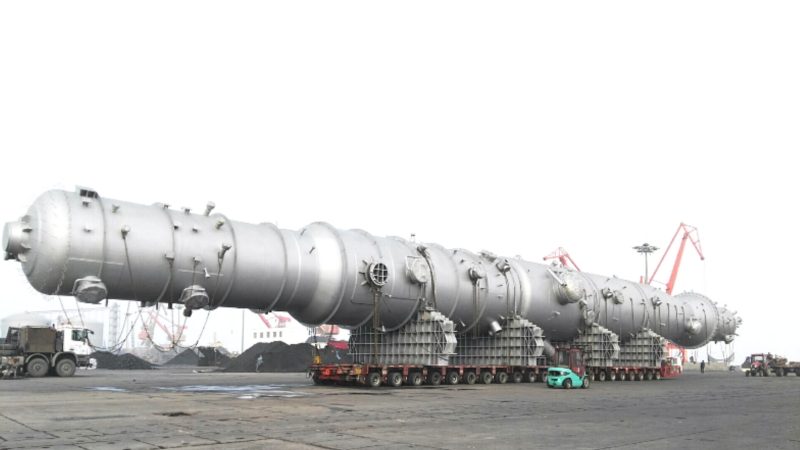
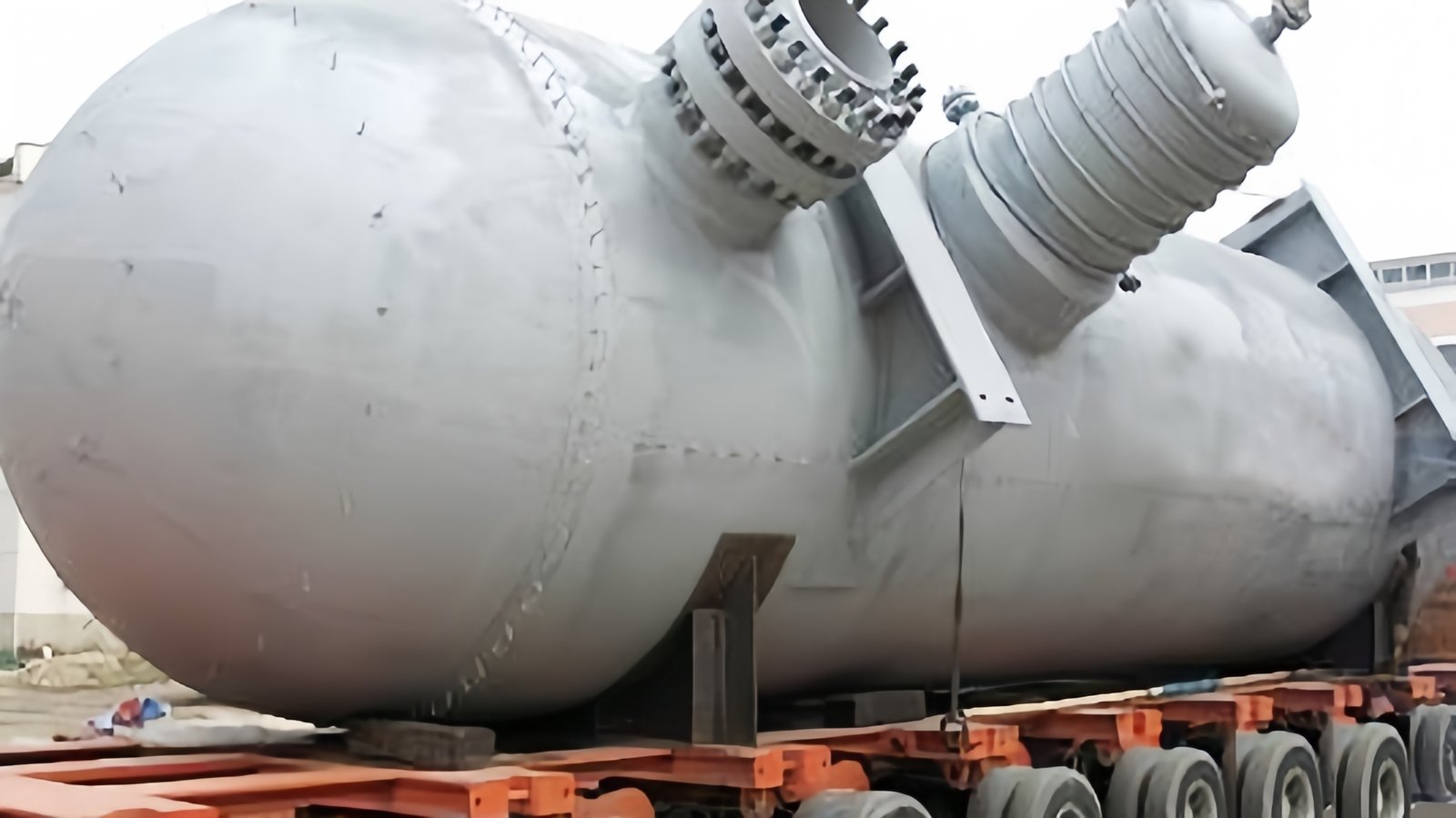
The glycol contactor tower, also called the absorber tower, is the main pressure vessel where gas dehydration occurs. Wet gas flows upward, lean glycol flows downward, and water vapor transfers from the gas phase into the liquid glycol phase.
Contactor internals may include bubble cap trays, valve trays, structured packing, random packing, liquid distributors, gas distributors, demisters, mist eliminators, manways, draw-off connections, and instrumentation nozzles. Tower design depends on gas flow rate, pressure, temperature, water content, outlet moisture target, glycol circulation rate, lean glycol concentration, tray count, packing height, allowable pressure drop, and maintenance access.
Glycol Circulation Equipment
The glycol circulation loop moves rich glycol from the contactor through flashing, filtration, heat exchange, regeneration, cooling, and pumping before returning lean glycol to the absorber. This loop may include rich glycol piping, flash tank, filters, lean/rich heat exchangers, circulation pump, surge tank, glycol cooler, flowmeter, control valves, and sample points.
More glycol flow does not automatically mean better dehydration. Excessive circulation can overload the reboiler, increase energy use, raise emissions, increase glycol losses, and reduce operating efficiency. Circulation should be selected according to water removal duty, contactor performance, lean glycol purity, and outlet moisture target.
Increasing glycol circulation rate is not always the best way to improve gas dehydration performance.True
Too much circulation can overload regeneration, increase energy use, increase glycol losses, and raise emissions. Dehydration performance depends on contactor design, lean glycol concentration, regeneration quality, gas temperature, pressure, and contaminant control.
Flash Tank Separator
A flash tank separator is often installed between the high-pressure contactor and the low-pressure regeneration section. When rich glycol pressure is reduced, absorbed methane and light hydrocarbons flash out of solution. The flash gas may be routed to fuel gas, compression, vapor recovery, or flare service depending on the facility design.
The EPA notes that flash tank separators can capture gas absorbed by glycol and reduce emissions when the gas is routed to beneficial use or combustion. A flash tank can also reduce vapor load on the reboiler and still column, recover useful gas, and help protect downstream regeneration equipment from excessive hydrocarbon flashing.
Filtration and Contaminant Removal
Glycol filtration protects the circulation loop and regeneration section. Rich glycol may contain solids, corrosion products, compressor oil, liquid hydrocarbons, degradation products, and carbon fines. Common equipment includes particulate filters, sock filters, cartridge filters, activated carbon filters, carbon afterfilters, strainers, and differential pressure indicators.
Activated carbon filters can help remove hydrocarbons and surface-active contaminants that cause foaming. Solids filters protect pumps, heat exchangers, reboilers, trays, and packing from fouling. Proper filtration improves dehydration stability and extends glycol life.
Regenerator, Still Column, and Reboiler
The regeneration section removes absorbed water from rich glycol so the glycol can be reused. A typical regeneration package includes a still column, reboiler, surge tank, lean/rich heat exchangers, reflux condenser coil, stripping gas system where required, and vent controls.
The reboiler supplies heat to drive water from the glycol. The still column helps separate water vapor from glycol vapor and reduce glycol losses. The surge tank provides lean glycol inventory and stable pump suction. For lower outlet water specifications, stripping gas or enhanced regeneration may be required to reach a higher lean glycol concentration.
Equipment Selection Matrix
| Design Question | Equipment Affected | Why It Matters |
|---|---|---|
| What is the inlet gas water content and outlet moisture target? | Contactor, glycol circulation rate, reboiler, stripping gas, analyzer | Controls absorption duty, regeneration strength, and dry gas quality. |
| Does the inlet gas contain free liquid, condensate, oil, or solids? | Inlet scrubber, filter separator, coalescer, contactor internals | Prevents foaming, fouling, glycol contamination, and liquid carryover. |
| Is the gas sour or corrosive? | Materials, corrosion allowance, valves, instruments, safety systems | Affects vessel design, metallurgy, inspection, and personnel safety. |
| Are emissions limits important? | Flash tank, still vent condenser, vapor recovery, BTEX controls | Reduces methane, VOC, and BTEX emissions and may recover fuel gas. |
| Is a low water dew point required? | Contactor stages, lean glycol concentration, stripping gas, regeneration system | Standard TEG may need enhanced regeneration or alternative dehydration technology. |
| Will the unit be remote, offshore, or modular? | Skid layout, controls, access, lifting, utilities, maintenance design | Footprint, reliability, automation, and service access become central design constraints. |
Instrumentation and Safety Equipment
A glycol dehydration unit contains high-pressure gas, hot glycol, fuel gas, absorbed hydrocarbons, possible H2S, and vent streams. Instrumentation and safety systems are therefore part of the equipment package, not optional accessories.
Typical instruments and safeguards include pressure transmitters, temperature transmitters, level controllers, high-level shutdowns, low-level shutdowns, glycol flowmeters, differential pressure gauges across filters, reboiler temperature control, burner management, flame safeguards, pressure relief valves, thermal relief valves, ESD valves, gas detectors, H2S monitors where required, moisture analyzers, and PLC or pneumatic control systems.
Manufacturing and Quality Control
Before fabrication, the manufacturer should review process datasheets, mechanical drawings, design pressure, design temperature, materials, nozzle orientation, internals, welding requirements, NDT scope, pressure testing, coating, packing, and delivery requirements. A large-scale pressure vessel manufacturer can support contactor towers, inlet scrubbers, flash tanks, filter vessels, surge tanks, heat exchangers, and other custom equipment for gas dehydration packages.

Quality control may include material certificate review, heat-number traceability, visual inspection, dimensional inspection, radiographic testing, ultrasonic testing, magnetic particle testing, liquid penetrant testing, pressure testing, leak testing, coating inspection, internals inspection, skid assembly inspection, and final data book review.
What Buyers Should Prepare Before Quotation
Before requesting a quotation for glycol dehydration equipment, buyers should prepare:
- Natural gas composition, including CO2, H2S, hydrocarbons, and contaminants
- Gas flow rate, pressure, temperature, and turndown range
- Inlet water content and required outlet water specification
- Hydrate control or pipeline dew point requirement
- Expected liquid carryover, condensate, oil, solids, or slug conditions
- Preferred glycol type and circulation philosophy
- Contactor tray or packing requirements
- Flash tank, filtration, heat exchanger, reboiler, and stripping gas requirements
- Emissions control, still vent, BTEX, VOC, and flash gas routing requirements
- Materials, corrosion allowance, sour service requirements, and coating needs
- Instrumentation, controls, safety shutdown, and analyzer requirements
- Applicable design code, inspection scope, documentation, packing, and delivery terms
Common Buyer Mistakes
Treating the Contactor as a Liquid Knockout Vessel
The glycol contactor is designed for water vapor absorption, not for handling liquid slugs, sand, oil, or large quantities of condensate. These should be removed by inlet separators and filters before the gas reaches the contactor.
Ignoring Glycol Contamination
Oil, solids, corrosion products, salt, degradation products, and carbon fines can cause foaming, fouling, glycol loss, poor dew point control, and reboiler problems. Filtration and operating discipline matter.
Underestimating Regeneration Duty
If the reboiler, still column, heat exchangers, stripping gas, or controls are undersized, the lean glycol may be too weak to meet the required outlet moisture specification.
Comparing Only Skid Price
A lower quotation may exclude flash tank, carbon filter, analyzers, emissions control, NDT, documentation, suitable metallurgy, insulation, packing, or commissioning support. Buyers should compare the full equipment scope.
FAQ
What equipment is used in glycol dehydration units for natural gas processing?
A glycol dehydration unit typically includes a glycol contactor tower, inlet scrubber, mist eliminator, glycol circulation pump, lean/rich glycol heat exchanger, flash tank separator, filters, glycol regenerator, still column, reboiler, surge tank, glycol cooler, valves, controls, and safety instrumentation.
How does a glycol contactor tower work?
Wet natural gas flows upward through the contactor while lean TEG flows downward across trays or packing. The glycol absorbs water vapor from the gas, allowing dry gas to exit the top and rich glycol to leave the bottom for regeneration.
Why are reboilers, still columns, and regenerators needed?
They remove absorbed water from rich glycol so the glycol can be reused. The reboiler heats the glycol, the still column separates water vapor, and the regeneration system restores lean glycol for circulation back to the contactor.
Is a flash tank separator necessary?
A flash tank is often used in larger or higher-pressure units to remove absorbed gas and light hydrocarbons from rich glycol before regeneration. It can reduce emissions, recover fuel gas, and reduce vapor load on the reboiler and still column.
What causes poor glycol dehydration performance?
Common causes include liquid carryover, contaminated glycol, foaming, weak lean glycol, undersized contactor internals, low reboiler temperature, excessive circulation, poor filtration, and inadequate controls.
How should buyers choose glycol dehydration equipment?
Buyers should define gas composition, flow rate, pressure, temperature, inlet water content, outlet moisture target, sour service, emissions requirements, utilities, site constraints, inspection scope, and maintenance needs before selecting equipment.
Conclusion
Glycol dehydration units for natural gas processing rely on a complete equipment package: inlet separation, glycol contactor tower, circulation pumps, flash tank, filters, heat exchangers, regenerator, still column, reboiler, surge tank, controls, safety devices, and monitoring instruments. Each item affects dry gas quality, energy use, emissions, reliability, and maintenance cost.
If you are sourcing glycol contactor towers, inlet scrubbers, flash tanks, filter vessels, heat exchangers, reboilers, storage tanks, or other custom pressure equipment for natural gas dehydration, gas processing, oil and gas, or EPC projects, you can discuss your project requirements with an engineering and manufacturing team. Sharing gas composition, moisture target, operating conditions, materials, inspection needs, and delivery terms will support technical communication and fabrication evaluation.