
How Do EPC Buyers Review PWHT Requirements for Custom Pressure Vessels?
PWHT requirements can significantly affect the cost, schedule, fabrication sequence, inspection plan, and documentation package of custom pressure vessels. For EPC buyers, the key question is not simply whether post weld heat treatment is needed. Buyers must confirm why PWHT is required, which welds or vessel sections are affected, what code or project specification applies, how it impacts NDE and pressure testing, and whether the manufacturer can support the full quality control and delivery scope.
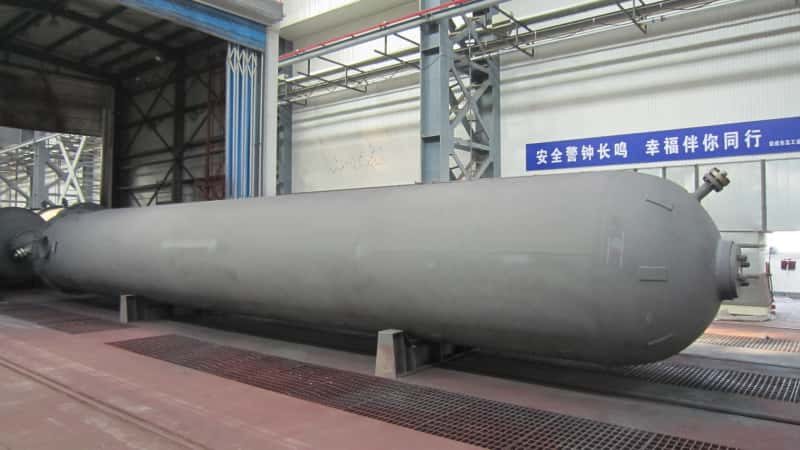
WSHI focuses on complete project-based equipment manufacturing, including pressure vessels, heat exchangers, process columns, evaporator-related vessels, and large industrial tanks. PWHT should therefore be reviewed as part of a full vessel manufacturing scope, not as a small standalone service detached from welding, inspection, testing, coating, and delivery.

PWHT is only a yes-or-no checkbox in pressure vessel procurement.False
PWHT affects weld sequence, NDE timing, dimensional control, pressure testing, coating, documentation, cost, and delivery time. EPC buyers should define the required scope before fabrication.
PWHT requirements should be confirmed from the applicable code, material, thickness, service condition, and project specification.True
A universal PWHT threshold should not be assumed. The final requirement depends on the vessel design, material group, governing thickness, service conditions, owner standard, and inspection authority review.
What Is PWHT for Pressure Vessels?
PWHT, or post weld heat treatment, is a controlled heating and cooling process performed after welding. In pressure vessel manufacturing, it is commonly used to reduce welding residual stress, support certain material requirements, improve dimensional stability, and meet applicable code or project specifications.
Welding introduces high thermal gradients into vessel shells, heads, nozzles, supports, and pressure-retaining joints. For EPC procurement, PWHT should be treated as a manufacturing and inspection requirement, not as a late optional step. It may affect material procurement, welding procedure qualification, fabrication order, NDE timing, pressure test schedule, coating work, final documentation, and shipment date.
When May PWHT Be Required?
PWHT requirements depend on the applicable code, material group, thickness, service condition, welding process, purchaser specification, and project engineering review. For some carbon and low-alloy steels, PWHT may be required above certain thicknesses or under certain service conditions. For some services, exemptions or alternative rules may apply only when all code and project conditions are satisfied.
ASME BPVC resources describe the Boiler and Pressure Vessel Code as a major source of technical data for the manufacturing, construction, and operation of boilers and pressure vessels. However, an SEO article should not state a universal PWHT threshold. Actual PWHT decisions must follow the latest applicable code edition, vessel design, material specification, owner requirements, and inspection authority review.
EPC buyers should ask the manufacturer and design party to confirm whether PWHT is required by pressure vessel code, material specification, weld thickness or governing thickness, impact testing or toughness requirements, sour service or corrosion-related specification, process temperature or cyclic operation, owner or EPC project standard, repair welding requirements, and local regulatory or inspection body requirements.
Why PWHT Matters for EPC Procurement
It Affects the Fabrication Sequence
PWHT is not just a workshop operation added at the end. It can determine when welding is completed, when NDE is performed, whether local or furnace PWHT is considered, how temporary attachments are handled, and when dimensional inspection should be performed.
For large custom pressure vessels, the fabrication team must plan shell rolling, head forming, longitudinal and circumferential welds, nozzle welding, support welding, inspection hold points, and heat treatment sequence carefully.
It Affects NDE and Pressure Testing
Depending on project requirements, some nondestructive examination may be required before PWHT, after PWHT, or both. If defects are found after heat treatment, repair welding may require additional inspection and possibly repeated heat treatment depending on the code and specification.
Pressure testing normally comes after major fabrication, required inspection, and heat treatment steps are complete. EPC buyers should confirm the order of NDE, PWHT, hydrostatic testing, pneumatic testing if applicable, drying, coating, and final documentation before approving the production schedule.
It Affects Delivery Time
PWHT can extend lead time because it requires heating equipment, qualified procedures, temperature measurement, controlled heating and cooling, chart recording, inspection coordination, and documentation. For very large pressure vessels, furnace size, local PWHT feasibility, transport sections, and site assembly boundary may all affect schedule.

Equipment Types Where PWHT Review Is Important
| Equipment type | Why PWHT review may matter | Buyer focus |
|---|---|---|
| Thick-wall pressure vessels | Material group, weld thickness, restraint, and residual stress can be more demanding | Code basis, governing thickness, weld map, NDE and heat treatment sequence |
| Reactors and process vessels | High pressure, high temperature, hydrogen-related service, corrosion, or cyclic operation may apply | Materials, service conditions, toughness requirements, inspection authority requirements |
| Heat exchanger shells and channels | Shells, channels, tube sheets, heads, and nozzles may be pressure-retaining parts | Assembly sequence, dimensional control, post-PWHT inspection, pressure testing |
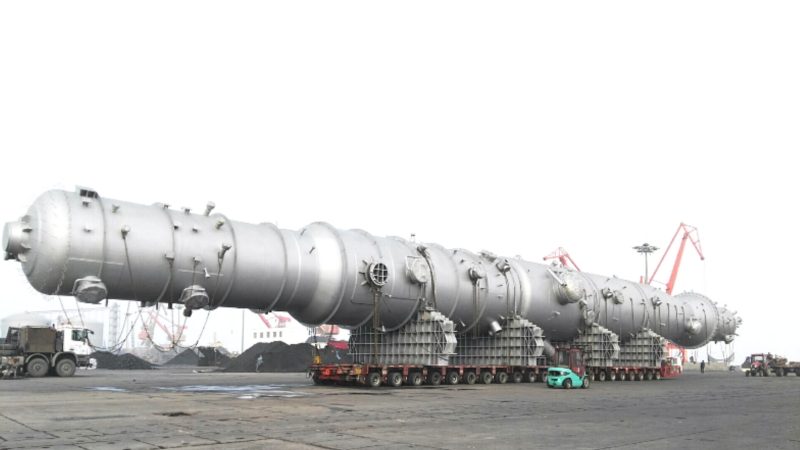
| Process towers and columns | Long shells, multiple welds, supports, and transport sections can complicate heat treatment | Sectional fabrication, local or furnace PWHT feasibility, lifting and delivery plan |
| Pressure storage vessels | Storage vessels may combine pressure boundary, coating, and site delivery requirements | PWHT before coating, documentation, transport and installation constraints |
Thick-Wall Pressure Vessels
Thick-wall pressure vessels may require more careful PWHT review because weld thickness, material type, restraint, residual stress, and code requirements can become more demanding. These vessels may be used in petrochemical, coal chemical, hydrogen, ammonia, refining, and high-pressure process applications.
Reactors and Process Vessels
Reactors and process vessels may involve high temperature, high pressure, hydrogen-related service, chemical corrosion, or cyclic operation. PWHT requirements should be reviewed together with material selection, welding procedure, inspection plan, and service requirements.
Heat Exchanger Shells and Channels
Some shell and tube heat exchangers may include pressure-retaining shells, channels, heads, tube sheets, and nozzles that require heat treatment depending on material, thickness, and project code. PWHT can affect dimensional control and assembly planning.
Process Towers and Columns
Large process towers and columns may involve long shells, multiple circumferential welds, nozzles, support rings, and site transport limitations. If PWHT is required, the manufacturer must plan whether it is performed in sections, locally, or by another approved method according to project requirements.
Key Questions EPC Buyers Should Ask
What Code and Edition Apply?
The RFQ should clearly state whether the vessel follows ASME, GB, EN, or another project-specified standard. It should also state the edition if required by the owner or inspection body. For ASME-related work, buyers may review ASME BPVC resources, but final PWHT interpretation should be made by qualified engineering and inspection parties.
Which Materials and Thicknesses Govern PWHT?
PWHT may depend on material group, weld thickness, base metal thickness, joint type, and service condition. EPC buyers should confirm the governing thickness and material classification used for PWHT evaluation.
The RFQ should include material grade, plate thickness, forging thickness, nozzle material, clad or lined construction if applicable, and any toughness or impact testing requirements.
Is PWHT Included in the Quotation?
Buyers should confirm whether PWHT is included in the quoted price and schedule. If included, the supplier should state whether it is furnace PWHT, local PWHT, subcontracted heat treatment, or another project-approved method.
The quotation should also clarify temperature recording, thermocouple arrangement, chart documentation, inspector witness points, and whether additional NDE after PWHT is included.
How Does PWHT Affect Coating and Delivery?
PWHT is normally completed before final coating or lining. If coating is performed too early, heat treatment may damage it. EPC buyers should confirm the sequence of PWHT, blasting, painting, lining, insulation preparation, preservation, packing, and loading.
For large industrial storage tanks or pressure storage vessels, coating and lining requirements should also be reviewed with the full manufacturing schedule.
Manufacturing and Quality Control Considerations
PWHT requires disciplined manufacturing control. The manufacturer should be able to coordinate welding procedures, material traceability, heat treatment procedure, temperature monitoring, NDE, dimensional inspection, pressure testing, and documentation.
A practical quality control plan may include material certificates and traceability, welding procedure qualification, welder qualification records, preheat and interpass temperature control, weld maps, NDE reports before and after PWHT where required, PWHT procedure and temperature charts, dimensional inspection records, pressure test records, coating or lining inspection records, and the final manufacturing data book.
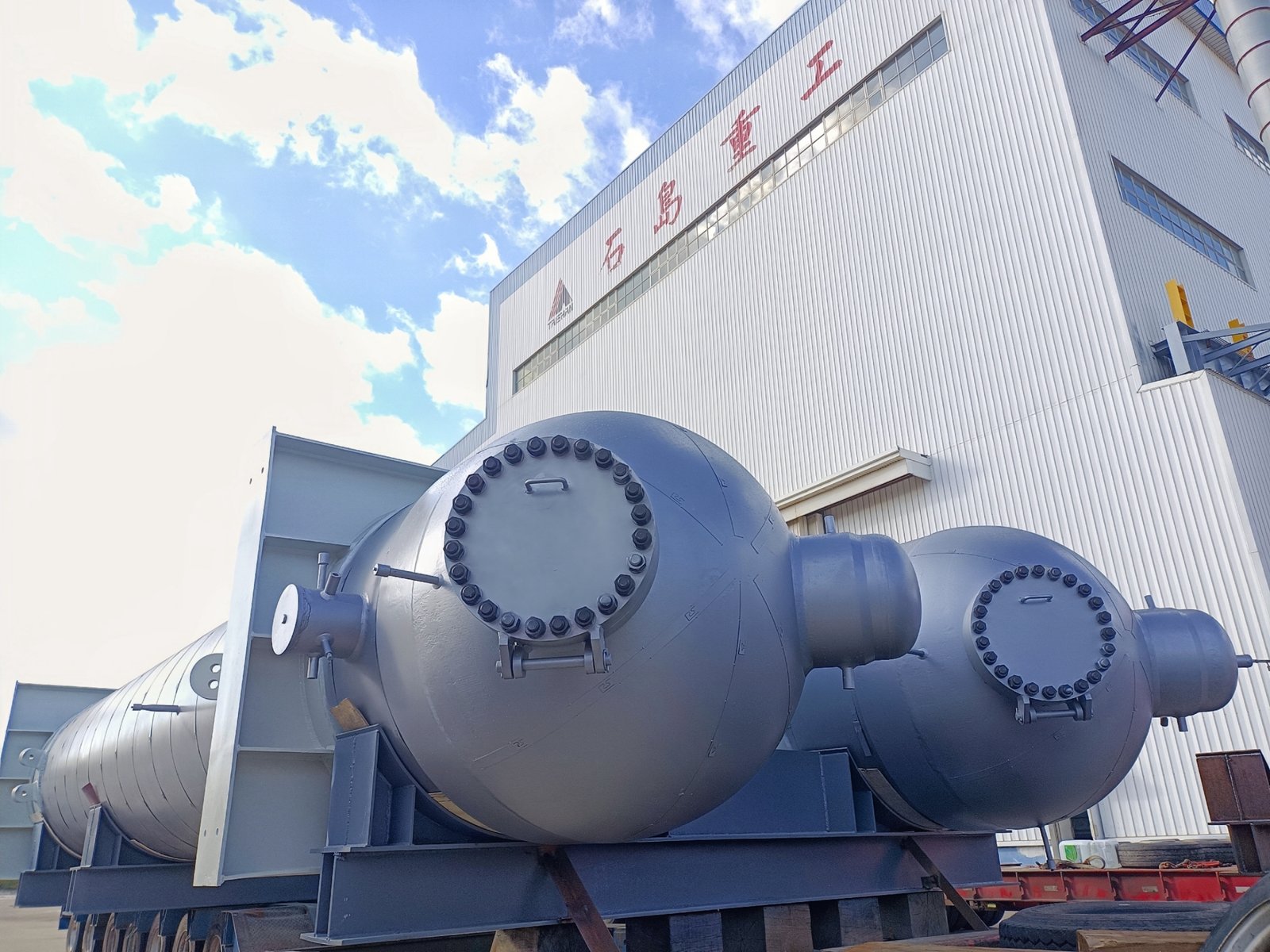
As a large-scale pressure vessel manufacturer, WSHI focuses on complete project-based equipment manufacturing, including pressure vessels, heat exchangers, process columns, evaporator-related vessels, and large tanks for petrochemical, coal chemical, oil and gas, new energy, and environmental engineering projects.
PWHT Procurement Checklist
| Checklist item | What to confirm | Why it matters |
|---|---|---|
| Code and specification | Applicable code, edition, owner standard, inspection authority requirements | Defines the basis for PWHT decisions |
| Material and thickness | Material group, shell/head/nozzle thickness, governing weld thickness | Can determine whether PWHT is required |
| Welding procedure | WPS, PQR, preheat, interpass temperature, repair welding procedure | Controls fabrication quality and compliance |
| PWHT method | Furnace PWHT, local PWHT, subcontracted treatment, temperature recording | Affects feasibility, sequence, documentation, and schedule |
| NDE timing | Before PWHT, after PWHT, or both according to project requirements | Prevents missing inspection hold points |
| Testing sequence | PWHT before pressure test, leak test, coating, lining, and delivery | Avoids rework and damaged coating |
| Records | Charts, procedures, NDE reports, pressure test records, data book | Supports owner acceptance and future maintenance |
Common Procurement Mistakes
One common mistake is treating PWHT as a simple yes/no checkbox. In practice, buyers need to confirm which welds are included, what method is used, when NDE is performed, who witnesses the operation, and what documents are provided.
Another mistake is comparing quotations without equal PWHT scope. One supplier may include heat treatment, temperature charts, post-PWHT NDE, and documentation, while another may exclude these items.
A third mistake is changing material or thickness after order placement without reviewing PWHT impact. A material upgrade or thickness change can alter welding procedure, heat treatment, NDE, and delivery schedule.
A fourth mistake is discussing small welded attachments or accessories as standalone procurement. For this equipment scope, these details should only be reviewed as part of the complete pressure vessel, heat exchanger, column, or industrial equipment package.
What Should Buyers Prepare Before RFQ?
Before requesting a quotation, EPC buyers should prepare the vessel datasheet, general arrangement drawing, material specifications, shell/head/nozzle thicknesses, applicable code and edition, service condition, impact testing or toughness requirements, corrosion allowance, welding requirements, NDE requirements, PWHT requirements if already specified, third-party inspection requirements, pressure test requirements, coating or lining specification, delivery date and destination, and final documentation requirements.
If PWHT is uncertain, buyers should state that the manufacturer must review PWHT requirements according to project specifications and applicable standards, then list assumptions and deviations clearly in the quotation.
Conclusion
PWHT requirements for custom pressure vessels should be reviewed early because they affect materials, welding, NDE, pressure testing, coating, documentation, schedule, and cost. EPC buyers should not rely on generic assumptions. The correct requirement depends on vessel design, material, thickness, service condition, applicable code, owner specification, and inspection authority.
If you are preparing a custom pressure vessel, reactor, heat exchanger, process column, evaporator-related vessel, or large industrial storage tank project, you can share your datasheets, drawings, material specifications, welding requirements, PWHT requirements, inspection scope, and delivery terms with WSHI. Our engineering and manufacturing team can help discuss the fabrication feasibility and complete equipment manufacturing boundary for your project requirements. You can contact our engineering team to review your project scope.
FAQ
What does PWHT mean in pressure vessel manufacturing?
PWHT means post weld heat treatment. It is a controlled heating and cooling process performed after welding to meet code, material, stress relief, or project specification requirements.
Is PWHT always required for pressure vessels?
No. PWHT depends on code, material, thickness, weld type, service condition, and owner requirements. The final requirement should be confirmed by qualified engineering and inspection review.
How does PWHT affect pressure vessel lead time?
PWHT can add time for procedure preparation, heating equipment, temperature control, chart recording, inspector witnessing, NDE coordination, and documentation. Large vessels may require additional planning.
Should NDE be done before or after PWHT?
The timing depends on project code and specification. Some projects may require NDE before PWHT, after PWHT, or both. The RFQ should define this clearly.
What documents should be provided for PWHT?
Typical documents may include PWHT procedure, temperature charts, thermocouple layout if required, heat treatment records, related NDE reports, pressure test records, and final data book documents.