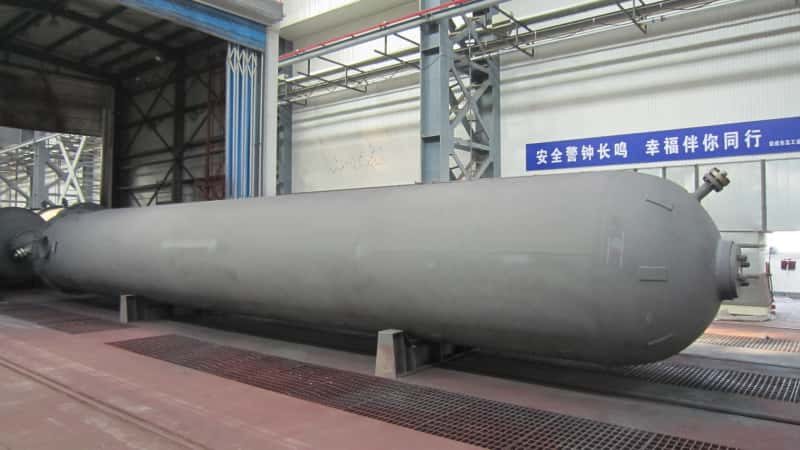

Selecting the wrong pressure tank can lead to operational inefficiencies, safety hazards, and costly maintenance issues. Whether you’re storing air, water, or chemicals, an unsuitable tank may corrode, leak, or fail under pressure—disrupting your system and increasing long-term costs. The good news is that by understanding the different types of pressure tanks and their specific applications, you can confidently choose a solution that ensures safety, efficiency, and durability.
Pressure tanks are broadly categorized into air pressure tanks, water pressure tanks, and chemical storage tanks, each designed with specific materials, linings, and pressure ratings. Air tanks are ideal for compressed air systems, water tanks for residential or industrial water supply systems, and chemical tanks for handling corrosive or hazardous substances. The most suitable option depends on factors such as operating pressure, fluid type, corrosion resistance, and regulatory requirements.
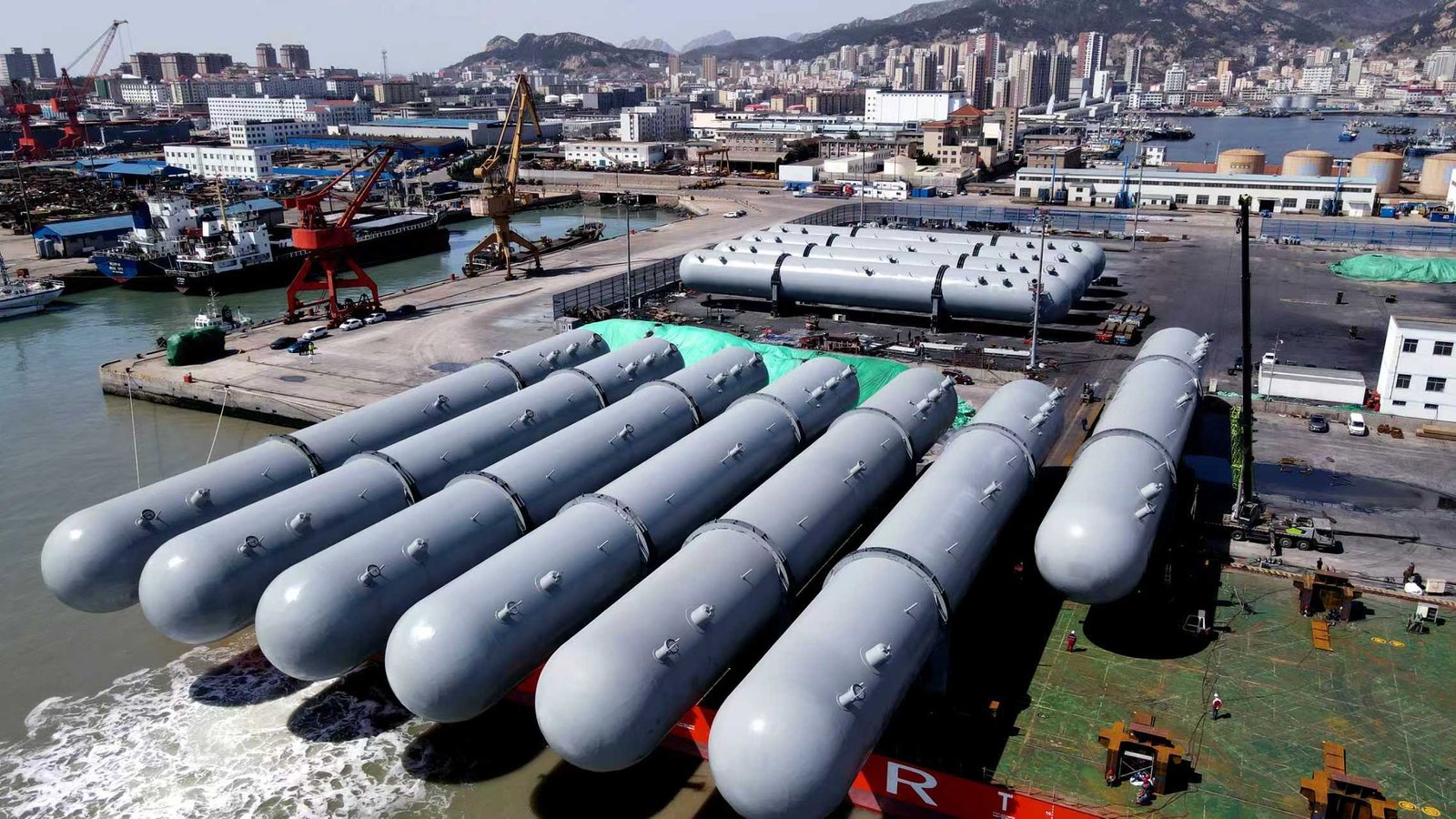
To make the best investment for your application, it’s essential to evaluate not only the type of pressure tank but also its design, materials, and compliance standards. Below is a structured guide to help you navigate your options and make an informed decision.
What Are the Main Types of Pressure Tanks and How Do They Differ?
When selecting a pressure tank for water systems or industrial applications, many users struggle with confusing terminology, inconsistent performance, and unexpected maintenance issues. Choosing the wrong type can lead to water pressure fluctuations, premature pump failure, increased energy costs, or even system downtime. These problems are not only frustrating but can also result in significant financial losses over time. Fortunately, understanding the different types of pressure tanks and how they function allows users to make informed decisions that optimize performance, reliability, and cost-efficiency.
The main types of pressure tanks are air-over-water tanks, diaphragm tanks, and bladder tanks, each differing in how they separate air and water, maintain pressure, and require maintenance. Air-over-water tanks mix air and water directly, diaphragm tanks use a flexible membrane to separate them, and bladder tanks contain a sealed internal bladder for maximum efficiency and minimal maintenance. The choice depends on system size, pressure stability needs, and maintenance preferences.
To fully understand which pressure tank suits your needs, it’s essential to explore their structural differences, operational principles, advantages, and limitations in depth. The following sections provide a comprehensive technical breakdown to guide your decision-making process.
Bladder pressure tanks require less maintenance than air-over-water tanks.True
Bladder tanks isolate air and water, preventing air loss and reducing the need for frequent recharging compared to traditional air-over-water systems.
Understanding Pressure Tank Fundamentals
Pressure tanks play a critical role in fluid systems by maintaining consistent pressure, reducing pump cycling, and storing energy in the form of compressed air. From a mechanical engineering perspective, these tanks operate based on the principle of compressibility differences between air and water. Water is nearly incompressible, while air is highly compressible, allowing it to act as a cushion that stabilizes system pressure.
In a typical water system, when a pump fills the tank, air inside compresses as water volume increases. When water is drawn from the system, the compressed air expands, pushing water out without immediately activating the pump. This cycle significantly reduces pump wear and improves energy efficiency.
The effectiveness of this process depends heavily on how air and water are managed within the tank, which is the primary differentiating factor among tank types.
Main Types of Pressure Tanks
1. Air-Over-Water Pressure Tanks
Air-over-water tanks are the oldest and most traditional design. In these systems, air and water coexist in direct contact within the same chamber.
Key Characteristics
| Feature | Description |
|---|---|
| Structure | Single chamber with mixed air and water |
| Air Control | Requires manual or automatic air volume control |
| Maintenance | High (frequent air recharge needed) |
| Cost | Lower initial cost |
| Efficiency | Lower due to air absorption into water |
In this system, air gradually dissolves into the water over time, a phenomenon explained by Henry’s Law in fluid mechanics. As air dissolves, the tank loses its pressure cushion, leading to “waterlogging,” where the tank fills entirely with water and loses effectiveness.
Advantages
- Simple design with fewer internal components
- Lower upfront cost
- Suitable for basic or low-budget installations
Disadvantages
- Frequent maintenance required
- Reduced efficiency over time
- Risk of pump short cycling
Best Use Cases
- Older systems
- Agricultural setups with manual monitoring
- Low-demand applications
2. Diaphragm Pressure Tanks
Diaphragm tanks introduce a flexible membrane that separates air and water into two distinct chambers.
Key Characteristics
| Feature | Description |
|---|---|
| Structure | Fixed diaphragm dividing tank |
| Air Control | Pre-charged air chamber |
| Maintenance | Moderate |
| Durability | Medium to high |
| Efficiency | Improved over air-over-water |
The diaphragm is typically made from durable rubber materials such as butyl or EPDM. It flexes as water enters and exits, maintaining separation and preventing air absorption into water.
Advantages
- Reduced air loss compared to traditional tanks
- More stable pressure output
- Less frequent maintenance
Disadvantages
- Diaphragm wear over time
- Cannot be replaced in many designs
- Slightly higher cost
Best Use Cases
- Residential water systems
- Medium-demand applications
- Users seeking balance between cost and performance
3. Bladder Pressure Tanks
Bladder tanks represent the most advanced and efficient design, featuring a fully enclosed, replaceable bladder that holds water inside the tank.
Key Characteristics
| Feature | Description |
|---|---|
| Structure | Internal bladder separates water completely |
| Air Control | Pre-charged sealed air chamber |
| Maintenance | Low |
| Durability | High |
| Efficiency | Highest among all types |
The bladder expands and contracts within the tank, ensuring that water never comes into contact with the tank walls or air chamber. This design virtually eliminates air absorption and significantly enhances system efficiency.
Advantages
- Minimal maintenance required
- Long lifespan
- Consistent pressure performance
- Replaceable bladder in many models
Disadvantages
- Higher initial cost
- Slightly more complex design
Best Use Cases
- Residential and commercial systems
- High-demand water systems
- Applications requiring stable pressure and reliability
Comparative Analysis of Pressure Tank Types
| Criteria | Air-Over-Water | Diaphragm Tank | Bladder Tank |
|---|---|---|---|
| Air-Water Separation | None | Partial (membrane) | Complete (bladder) |
| Maintenance Frequency | High | Medium | Low |
| Initial Cost | Low | Medium | High |
| Lifespan | Short | Medium | Long |
| Pressure Stability | Low | Medium | High |
| Efficiency | Low | Medium | High |
Technical Performance Considerations
Pressure Stability
Pressure fluctuation is a critical parameter in system performance. Bladder tanks provide the most stable pressure because the air cushion remains constant and uncontaminated. In contrast, air-over-water systems experience gradual pressure degradation.
Pump Cycling Reduction
Frequent pump cycling leads to mechanical wear and energy inefficiency. Bladder and diaphragm tanks significantly reduce cycling frequency due to better pressure retention.
Material Engineering
Modern pressure tanks are constructed using advanced materials such as:
- Carbon steel with epoxy coating
- Stainless steel for corrosion resistance
- Composite materials for lightweight applications
The internal components (diaphragm or bladder) are typically made from food-grade rubber materials, ensuring safety in potable water systems.
Real-World Case Study
A municipal water system upgraded from air-over-water tanks to bladder tanks in a mid-sized rural community. The results were significant:
| Metric | Before Upgrade | After Upgrade |
|---|---|---|
| Pump Cycling Frequency | 120 cycles/day | 45 cycles/day |
| Maintenance Cost | $12,000/year | $4,500/year |
| System Downtime | 18 hours/year | 4 hours/year |
| Energy Consumption | High | Reduced by 28% |
This case demonstrates how selecting the appropriate pressure tank type can directly impact operational efficiency and cost savings.
How to Choose the Right Pressure Tank
Selecting the right pressure tank involves evaluating several factors:
1. System Demand
High-demand systems benefit from bladder tanks due to their efficiency and durability.
2. Budget Constraints
Air-over-water tanks may be suitable for low-budget installations but incur higher long-term costs.
3. Maintenance Capability
If regular maintenance is not feasible, bladder tanks are the optimal choice.
4. Space Availability
Compact diaphragm and bladder tanks are better suited for limited spaces.
5. Water Quality Requirements
Bladder tanks prevent contamination by isolating water from tank walls.
Emerging Innovations in Pressure Tank Technology
The pressure tank industry is evolving with new technologies, including:
- Smart pressure monitoring systems
- Composite lightweight tanks
- Antimicrobial internal linings
- IoT-enabled predictive maintenance
These innovations are particularly relevant in industrial and smart home applications, where efficiency and automation are critical.
Common Mistakes to Avoid
- Choosing based solely on initial cost
- Ignoring maintenance requirements
- Oversizing or undersizing the tank
- Neglecting pressure pre-charge settings
Each of these mistakes can compromise system performance and increase long-term costs.
Conclusion
Understanding the differences between air-over-water, diaphragm, and bladder pressure tanks is essential for optimizing system performance, reducing maintenance, and ensuring long-term reliability. While traditional air-over-water tanks offer simplicity, modern diaphragm and bladder tanks provide superior efficiency and stability, making them the preferred choice for most applications today.
Contact Us for Expert Guidance
How Do You Choose the Right Pressure Tank for Air Applications?
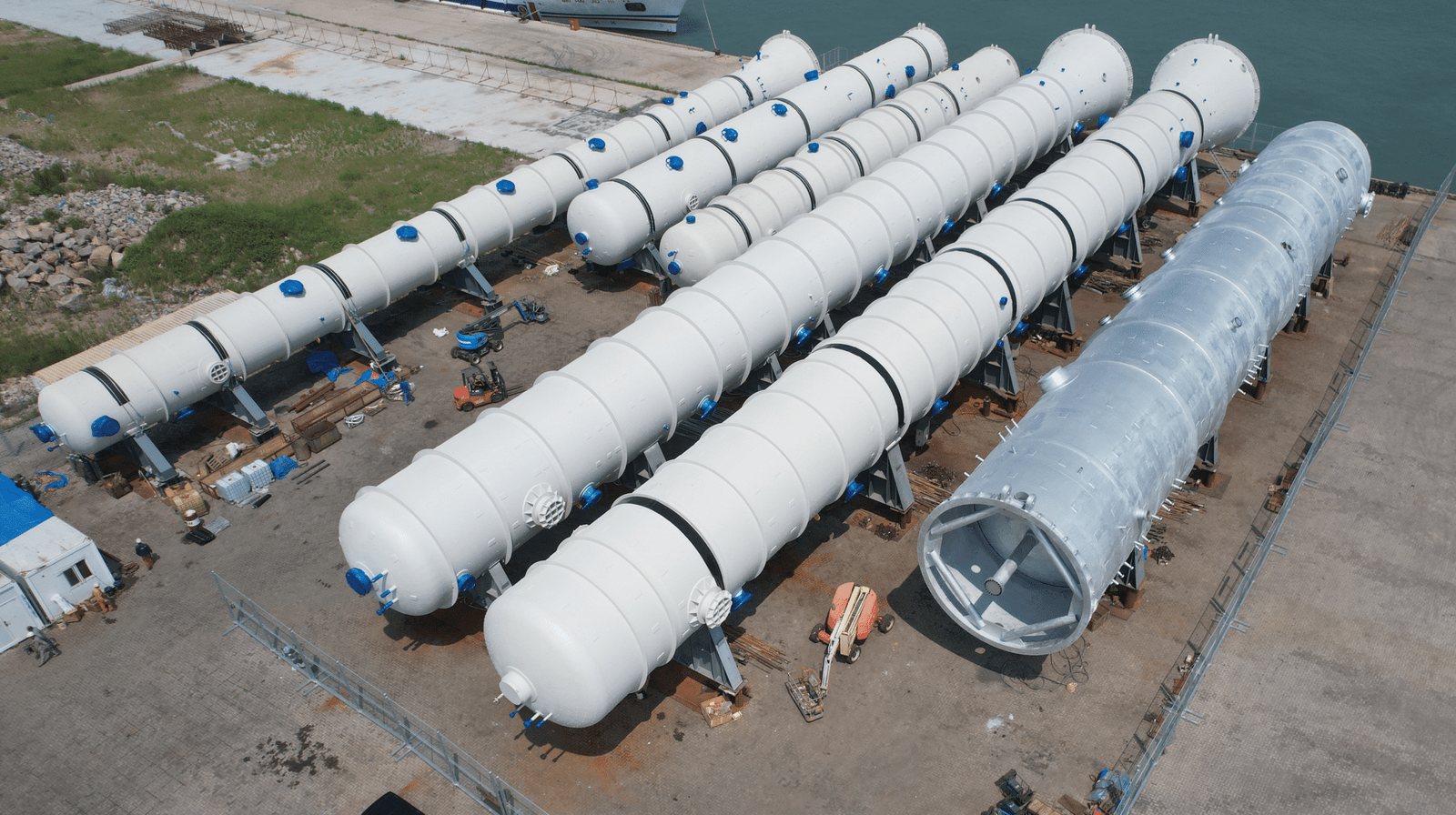
Choosing the wrong pressure tank for air applications can quietly sabotage your entire compressed air system. Many users experience unstable pressure, excessive compressor cycling, moisture buildup, or even premature equipment failure—all because the tank was undersized, poorly configured, or mismatched to the application. These issues not only reduce operational efficiency but also increase maintenance costs and energy consumption. The good news is that selecting the right pressure tank becomes straightforward when you understand the key engineering criteria and system requirements.
To choose the right pressure tank for air applications, you must consider system pressure requirements, air flow rate (CFM), tank volume, duty cycle, material compatibility, and safety standards. The ideal tank balances sufficient air storage to reduce compressor cycling while maintaining stable pressure for your application, ensuring efficiency, durability, and cost-effectiveness.
To make a confident and technically sound decision, it is essential to break down each factor in detail and understand how they interact within real-world compressed air systems.
A larger air pressure tank always improves system performance.False
While larger tanks can reduce compressor cycling, oversizing can lead to inefficiencies, unnecessary costs, and slower pressure response depending on system design.
Understanding the Role of Air Pressure Tanks in Compressed Systems
In air applications, pressure tanks—often referred to as air receivers—serve as energy storage devices that smooth out fluctuations in compressed air demand. From a thermodynamic perspective, compressed air stores potential energy that can be released when demand exceeds compressor output.
The tank performs several critical functions:
- Stabilizing system pressure
- Reducing compressor cycling frequency
- Acting as a buffer during peak demand
- Allowing moisture and contaminants to settle
Without a properly sized tank, compressors are forced to start and stop frequently, leading to mechanical wear, overheating, and increased energy consumption.
Key Factors in Choosing the Right Pressure Tank
1. Required Pressure (PSI) and System Rating
The first and most fundamental parameter is the required operating pressure of your system.
| Parameter | Typical Range | Considerations |
|---|---|---|
| Low-pressure systems | 50–100 PSI | Pneumatic tools, basic applications |
| Medium-pressure systems | 100–175 PSI | Industrial air systems |
| High-pressure systems | 175+ PSI | Specialized industrial processes |
The tank must be rated above the maximum system pressure with a safety margin (typically 1.25× to 1.5×).
2. Air Flow Rate (CFM)
Air flow rate determines how much compressed air your system consumes.
| Application | Typical CFM Requirement |
|---|---|
| Small workshop tools | 5–20 CFM |
| Automotive repair shop | 20–100 CFM |
| Industrial manufacturing | 100–500+ CFM |
The tank must support peak demand, not just average consumption.
3. Tank Volume (Sizing Calculation)
Tank volume is one of the most critical design parameters. A commonly used engineering rule is:
- 1 to 2 gallons per CFM of compressor capacity
For more precise sizing:
| Compressor Output (CFM) | Recommended Tank Size (Gallons) |
|---|---|
| 10 CFM | 10–20 gallons |
| 50 CFM | 50–100 gallons |
| 200 CFM | 200–400 gallons |
Larger tanks provide longer air reserve but must be balanced against response time and space constraints.
4. Duty Cycle and Compressor Behavior
The duty cycle defines how often the compressor runs.
| Duty Cycle | Tank Requirement |
|---|---|
| Intermittent use | Smaller tank acceptable |
| Continuous operation | Larger tank required |
| High peak demand | Extra storage capacity needed |
A well-sized tank can reduce compressor starts by up to 70%, significantly extending equipment life.
Types of Air Pressure Tanks
Vertical vs. Horizontal Tanks
| Type | Advantages | Limitations |
|---|---|---|
| Vertical tanks | Space-saving, better for large systems | Taller installation required |
| Horizontal tanks | Easier maintenance, stable base | Occupies more floor space |
Wet vs. Dry Receivers
| Type | Function | Placement |
|---|---|---|
| Wet receiver | Removes moisture directly after compressor | Before air dryer |
| Dry receiver | Stores clean, dry air | After air dryer |
Using both types in combination provides optimal system performance.
Material Selection and Construction
The material of the pressure tank directly impacts durability, safety, and application compatibility.
| Material | Properties | Best Use |
|---|---|---|
| Carbon steel | मजबूत, cost-effective | General industrial use |
| Stainless steel | Corrosion-resistant | Food, pharmaceutical |
| Aluminum | Lightweight | Portable systems |
Internal coatings and linings may also be necessary for moisture or chemical resistance.
Safety Standards and Compliance
Pressure tanks must comply with industry standards such as:
- ASME Boiler and Pressure Vessel Code
- ISO standards
- PED (Pressure Equipment Directive)
Safety features include:
- Pressure relief valves
- Drain valves
- Pressure gauges
- Inspection ports
Failure to meet these standards can result in catastrophic failure.
Advanced Engineering Considerations
Air Quality and Moisture Control
Compressed air contains moisture that condenses inside the tank. Proper tank sizing allows sufficient dwell time for moisture separation.
| Factor | Impact |
|---|---|
| Larger tank | Better moisture separation |
| Higher temperature | Increased condensation |
| Poor drainage | Corrosion risk |
Energy Efficiency Optimization
Energy consumption in compressed air systems can be reduced by:
- Minimizing pressure drops
- Reducing compressor cycling
- Using properly sized tanks
A 10% reduction in pressure can yield up to 7% energy savings.
Real-World Case Study
A manufacturing facility using pneumatic automation upgraded its air receiver system:
| Metric | Before Optimization | After Optimization |
|---|---|---|
| Tank Size | 150 gallons | 400 gallons |
| Compressor Starts/Hour | 25 | 8 |
| Energy Consumption | High | Reduced by 22% |
| Equipment Downtime | Frequent | Minimal |
This demonstrates how proper tank selection directly improves operational efficiency.
Common Mistakes to Avoid
- Undersizing the tank (leads to pressure drops)
- Oversizing without system balance
- Ignoring moisture management
- Selecting incorrect material
- Neglecting safety certifications
Each mistake can compromise system reliability and increase costs.
Practical Selection Workflow
- Determine system pressure (PSI)
- Calculate total air demand (CFM)
- Apply sizing rule (gallons per CFM)
- Evaluate duty cycle and peak demand
- Choose tank orientation and type
- Select appropriate material
- Verify compliance with safety standards
Conclusion
Selecting the right pressure tank for air applications is a balance between engineering precision and practical requirements. By carefully evaluating pressure, flow rate, tank size, and system behavior, users can significantly improve efficiency, reduce operational costs, and extend equipment lifespan. Modern systems increasingly rely on optimized tank configurations to meet demanding industrial requirements.
Contact Us for Expert Solutions
What Makes a Pressure Tank Suitable for Water Storage Systems?
Water storage systems often fail not because of poor pumps or piping, but because the pressure tank is improperly selected or engineered. Users frequently encounter fluctuating water pressure, contamination risks, rapid pump wear, and unexpected system downtime—all stemming from unsuitable pressure tanks. These issues can escalate into costly repairs, inefficient energy use, and compromised water quality. The solution lies in understanding the exact characteristics that make a pressure tank truly suitable for water storage systems, ensuring long-term reliability, safety, and performance.
A pressure tank suitable for water storage systems must provide stable pressure regulation, use safe and corrosion-resistant materials, incorporate efficient air-water separation (typically via bladder or diaphragm), support appropriate volume capacity, and comply with potable water standards. These features ensure consistent water delivery, reduced pump cycling, improved energy efficiency, and long-term system durability.
To make the best choice, it is essential to explore the engineering principles, material science, and system design considerations that define a high-performance water pressure tank.
Bladder pressure tanks are ideal for potable water systems because they prevent water from contacting the tank walls.True
Bladder tanks isolate water within a sealed membrane, reducing contamination risk and maintaining water quality, making them suitable for potable water applications.
Core Functional Requirements of Water Pressure Tanks
A pressure tank in a water storage system is not merely a container—it is a dynamic component that directly affects system hydraulics, energy efficiency, and water quality. Its primary role is to maintain pressure equilibrium while reducing the operational load on pumps.
From a fluid mechanics standpoint, the tank must effectively store hydraulic energy by compressing air, which then acts as a driving force to push water through the system when demand arises. This requires a carefully engineered balance between tank volume, internal pressure, and flow demand.
Key Characteristics of a Suitable Pressure Tank
1. Efficient Air-Water Separation
One of the most critical features is how the tank separates air and water.
| Tank Type | Separation Method | Suitability for Water Systems |
|---|---|---|
| Air-over-water | No separation | Poor (risk of contamination & maintenance) |
| Diaphragm tank | Fixed membrane | Good |
| Bladder tank | Replaceable bladder | Excellent |
Bladder tanks are preferred because they completely isolate water from air, preventing oxygen dissolution and bacterial growth.
2. Material Safety and Corrosion Resistance
Water quality is directly influenced by tank materials.
| Material | Properties | Application Suitability |
|---|---|---|
| Carbon steel (coated) | Strong, economical | Acceptable with proper lining |
| Stainless steel | उत्कृष्ट corrosion resistance | Ideal for potable water |
| Composite materials | Lightweight, non-corrosive | Emerging high-performance option |
Internal linings such as epoxy coatings or glass linings are essential to prevent rust and contamination.
3. Proper Tank Sizing
Tank size determines system efficiency and pump longevity.
| Household Size | Recommended Tank Volume |
|---|---|
| 1–2 people | 20–40 gallons |
| 3–4 people | 50–80 gallons |
| Large households | 80–120+ gallons |
Oversized tanks may increase cost and space usage, while undersized tanks lead to frequent pump cycling.
Performance Factors That Define Suitability
Pressure Stability
Stable pressure ensures consistent water flow across fixtures.
| Factor | Impact |
|---|---|
| Larger air cushion | Better pressure consistency |
| Bladder system | Minimal pressure fluctuation |
| Poor design | Pressure drops and surges |
Pump Protection
A suitable tank reduces pump start-stop cycles.
| Tank Quality | Pump Lifespan Impact |
|---|---|
| High-quality tank | Extends lifespan by 30–50% |
| Poorly sized tank | Causes frequent wear |
Energy Efficiency
Efficient tanks reduce energy consumption by minimizing pump operation frequency.
Water Quality Considerations
Water storage systems must meet strict hygiene standards, especially for potable water.
Contamination Prevention
- Use food-grade bladder materials (butyl rubber)
- Ensure sealed systems to prevent external contamination
- Avoid direct air-water contact
Biofilm and Bacteria Control
Improper tanks can encourage microbial growth.
| Risk Factor | Solution |
|---|---|
| Stagnant water | Proper tank sizing |
| Oxygen exposure | Bladder/diaphragm separation |
| Poor drainage | Regular maintenance |
Structural Design and Engineering
Internal Pressure Design
Pressure tanks must withstand cyclic loading due to repeated pressurization and depressurization.
| Parameter | Typical Value |
|---|---|
| Working pressure | 40–60 PSI (residential) |
| Maximum pressure | 100–150 PSI |
| Safety factor | 1.5× design margin |
Thermal and Environmental Resistance
Outdoor installations require:
- UV-resistant coatings
- Freeze protection
- Thermal expansion tolerance
Advanced Features in Modern Water Pressure Tanks
Modern tanks incorporate advanced technologies:
- Antimicrobial linings
- Smart pressure sensors
- Composite corrosion-proof shells
- Modular designs for scalability
These innovations significantly enhance system reliability and lifespan.
Real-World Case Study
A residential community upgraded from traditional air-over-water tanks to bladder tanks:
| Metric | Before Upgrade | After Upgrade |
|---|---|---|
| Water Pressure Stability | Inconsistent | Stable |
| Pump Cycles/Day | 60 | 20 |
| Maintenance Cost | High | Reduced by 65% |
| Water Quality Complaints | Frequent | Eliminated |
This case highlights the importance of selecting the right tank for water storage systems.
Common Mistakes When Choosing Water Pressure Tanks
- Ignoring potable water certifications
- Choosing low-quality materials
- Incorrect tank sizing
- Neglecting maintenance requirements
- Overlooking installation environment
These mistakes can compromise both system performance and water safety.
Practical Selection Checklist
- Confirm potable water certification
- Choose bladder or diaphragm design
- Select corrosion-resistant materials
- Calculate appropriate tank size
- Ensure compatibility with pump system
- Verify pressure ratings and safety standards
Comparative Summary Table
| Feature | Unsuitable Tank | Suitable Tank |
|---|---|---|
| Air-Water Contact | Direct | Isolated |
| Maintenance | High | Low |
| Water Quality | Risk of contamination | सुरक्षित |
| Efficiency | Low | High |
| Lifespan | Short | Long |
Conclusion
A pressure tank suitable for water storage systems must combine engineering precision, material safety, and system compatibility. Bladder and diaphragm tanks, constructed with corrosion-resistant materials and properly sized for the application, offer the best performance in terms of pressure stability, energy efficiency, and water quality. Selecting the right tank is not just a technical decision—it is a critical investment in system reliability and long-term cost savings.
Contact Us for Professional Support
Which Pressure Tanks Are Best for Chemical Storage and Corrosive Media?
Chemical storage and handling systems present one of the most demanding challenges in industrial engineering. Using an unsuitable pressure tank for corrosive media can lead to rapid material degradation, leakage, contamination, environmental hazards, and even catastrophic system failure. Many operators underestimate how aggressive certain chemicals can be, resulting in shortened equipment lifespan, safety risks, and costly downtime. The solution lies in selecting pressure tanks specifically engineered for corrosion resistance, chemical compatibility, and long-term structural integrity.
The best pressure tanks for chemical storage and corrosive media are those made from corrosion-resistant materials such as stainless steel (e.g., 316L), fiberglass-reinforced plastic (FRP), polyethylene (HDPE), or steel tanks with specialized linings like PTFE or epoxy. The optimal choice depends on the chemical’s reactivity, temperature, pressure conditions, and required purity level, ensuring safety, durability, and compliance with industry standards.
To make a reliable selection, it is essential to understand the interaction between materials and chemicals, as well as the engineering design principles that govern corrosion resistance and pressure containment.
All stainless steel tanks are equally resistant to chemical corrosion.False
Different grades of stainless steel have varying corrosion resistance; for example, 316L offers better resistance to chlorides and acids than 304.
Understanding Corrosion Mechanisms in Pressure Tanks
Corrosion is an electrochemical process that deteriorates materials when exposed to reactive substances. In chemical storage systems, corrosion can occur in several forms:
- Uniform corrosion (even material loss)
- Pitting corrosion (localized damage)
- Stress corrosion cracking
- Galvanic corrosion
The severity depends on factors such as chemical composition, temperature, pressure, and exposure duration.
Key Material Options for Chemical Pressure Tanks
1. Stainless Steel Tanks (304, 316, 316L)
Stainless steel is widely used due to its strength and corrosion resistance.
| Grade | Corrosion Resistance | Best Applications |
|---|---|---|
| 304 | Moderate | Mild chemicals, water-based solutions |
| 316 | High | Chlorides, acids |
| 316L | Very high | Aggressive chemicals, pharmaceuticals |
Advantages
- High mechanical strength
- مقاومت حرارتی بالا (high temperature resistance)
- Long service life
Limitations
- Expensive
- Not suitable for highly acidic or chloride-rich environments without proper grade
2. Fiberglass Reinforced Plastic (FRP) Tanks
FRP tanks are composite structures made from resin and glass fibers.
| Property | Value |
|---|---|
| Corrosion resistance | Excellent |
| Weight | Lightweight |
| Customization | Highly flexible |
Advantages
- Exceptional resistance to a wide range of chemicals
- Low maintenance
- երկար lifespan (long lifespan)
Limitations
- Lower pressure tolerance compared to steel
- حساس به ضربه (impact-sensitive)
3. High-Density Polyethylene (HDPE) Tanks
HDPE tanks are widely used for storing aggressive chemicals at low to moderate pressures.
| Feature | Description |
|---|---|
| Chemical resistance | Excellent for acids and bases |
| Cost | Low |
| Flexibility | High |
Advantages
- Non-corrosive
- Lightweight and easy to install
- Cost-effective
Limitations
- Limited pressure and temperature resistance
- կարող է դեֆորմացվել (may deform under stress)
4. Lined Carbon Steel Tanks
These tanks combine the strength of carbon steel with corrosion-resistant internal linings.
| Lining Type | Application |
|---|---|
| Epoxy | General chemical resistance |
| Rubber lining | Abrasive chemicals |
| PTFE (Teflon) | Highly aggressive chemicals |
Advantages
- High structural strength
- Customizable lining for specific chemicals
- Cost-effective compared to full stainless steel
Limitations
- Lining damage can lead to corrosion
- Requires regular inspection
Comparative Material Selection Table
| Material | Corrosion Resistance | Pressure Capacity | Cost | Best Use Case |
|---|---|---|---|---|
| Stainless Steel 316L | Very High | High | High | Pharmaceuticals, acids |
| FRP | Excellent | Medium | Medium | Chemical plants |
| HDPE | Excellent | Low | Low | Storage, low pressure |
| Lined Steel | High | High | Medium | Industrial chemicals |
Critical Selection Factors
1. Chemical Compatibility
Each chemical reacts differently with materials.
| Chemical Type | Recommended Material |
|---|---|
| Strong acids | PTFE-lined steel, FRP |
| Alkalis | HDPE, FRP |
| Solvents | Stainless steel 316L |
| Oxidizers | Specialized alloys |
2. Temperature and Pressure Conditions
Higher temperatures accelerate corrosion and material degradation.
| Condition | Material Requirement |
|---|---|
| High temperature (>100°C) | Stainless steel or lined steel |
| Low temperature | HDPE or FRP |
| High pressure | Steel-based tanks |
3. Purity Requirements
Industries such as pharmaceuticals require ultra-clean environments.
- Use electropolished stainless steel
- Avoid materials that leach contaminants
- Ensure smooth internal surfaces
Engineering Design Considerations
Wall Thickness and Structural Integrity
Pressure tanks must be designed according to:
- Internal pressure loads
- خارجی stresses (external stresses)
- Corrosion allowance
Coatings and Linings
Advanced coatings enhance durability:
- Glass-lined interiors
- Ceramic coatings
- Fluoropolymer linings
Safety and Compliance Standards
Chemical pressure tanks must comply with:
- ASME Boiler and Pressure Vessel Code
- ISO standards
- API standards (for storage tanks)
Safety features include:
- Pressure relief valves
- Leak detection systems
- Secondary containment
Real-World Case Study
A chemical processing plant storing hydrochloric acid upgraded its storage tanks:
| Metric | Before Upgrade | After Upgrade |
|---|---|---|
| Tank Material | Carbon steel | FRP |
| Corrosion Rate | High | Negligible |
| Maintenance Cost | $25,000/year | $6,000/year |
| Downtime | Frequent | Minimal |
The transition to FRP significantly improved system reliability and reduced costs.
Common Mistakes in Chemical Tank Selection
- Ignoring chemical compatibility charts
- Choosing materials based only on cost
- Neglecting temperature effects
- Failing to inspect linings regularly
These errors can lead to severe safety and financial consequences.
Advanced Innovations in Chemical Pressure Tanks
Modern developments include:
- Dual-laminate FRP tanks
- Smart corrosion monitoring sensors
- Self-healing coatings
- Nanocomposite materials
These technologies are transforming chemical storage safety and efficiency.
Practical Selection Workflow
- Identify chemical properties (pH, reactivity)
- Determine operating temperature and pressure
- Select compatible material
- Evaluate structural requirements
- Verify compliance with standards
- Plan maintenance and inspection schedule
Conclusion
Selecting the best pressure tank for chemical storage and corrosive media requires a deep understanding of material science, chemical compatibility, and engineering design. Stainless steel, FRP, HDPE, and lined steel tanks each offer unique advantages depending on the application. The right choice ensures safety, durability, regulatory compliance, and long-term cost savings.
Contact Us for Expert Chemical Storage Solutions
What Key Factors Should You Consider When Selecting a Pressure Tank?
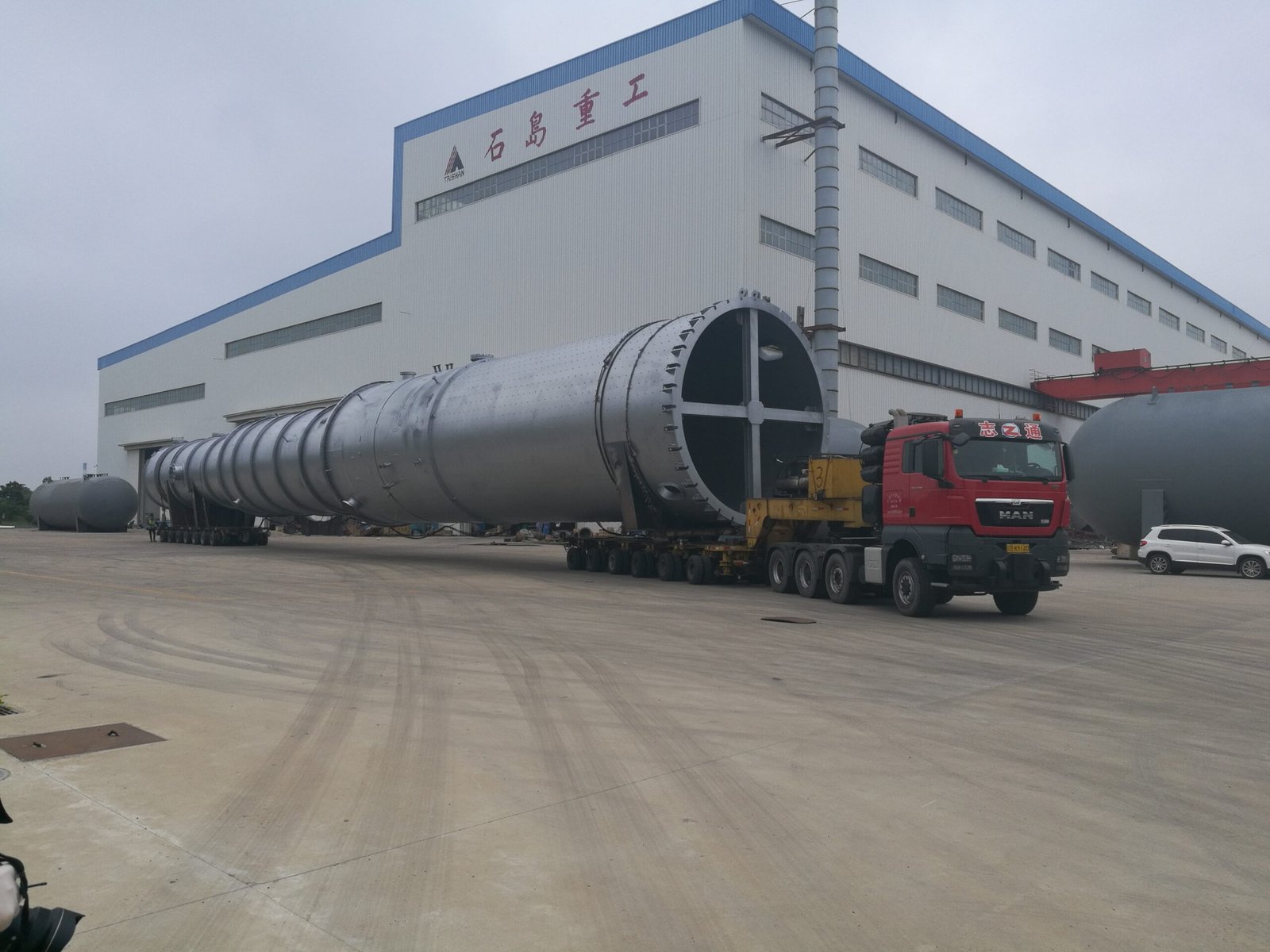
Selecting a pressure tank without a structured evaluation often leads to costly consequences—unstable pressure, excessive pump wear, energy inefficiency, and even system failure. Many users focus only on price or size, overlooking critical engineering parameters that determine long-term performance. The result is frequent maintenance, higher operational costs, and compromised system reliability. The solution is to evaluate pressure tanks based on a comprehensive set of technical, operational, and environmental factors that ensure optimal system compatibility and efficiency.
The key factors when selecting a pressure tank include system pressure requirements, flow rate (CFM or GPM), tank volume, material compatibility, application type (air, water, or chemicals), environmental conditions, safety standards, and maintenance requirements. A properly selected tank balances performance, durability, and cost-efficiency while ensuring stable pressure and extended equipment lifespan.
To make a well-informed decision, it is essential to examine each of these factors in depth and understand how they interact within real-world systems.
Choosing the largest possible pressure tank is always the best strategy.False
Oversized tanks can lead to inefficiencies, increased costs, and slower system response, making proper sizing more important than maximum size.
Understanding the Role of Pressure Tanks in System Performance
Pressure tanks act as energy storage devices that stabilize pressure, reduce pump cycling, and improve system efficiency. Whether used in water supply systems, compressed air networks, or chemical processing, their performance directly influences operational reliability.
From an engineering standpoint, pressure tanks rely on the compressibility of gases to store and release energy. This dynamic interaction between fluid and gas determines how effectively the system maintains pressure and responds to demand fluctuations.
Core Factors in Pressure Tank Selection
1. System Pressure Requirements (PSI)
The operating pressure defines the structural and safety requirements of the tank.
| Application Type | Typical Pressure Range |
|---|---|
| Residential water systems | 40–60 PSI |
| Industrial air systems | 90–175 PSI |
| High-pressure applications | 175+ PSI |
The tank must be rated above the maximum operating pressure, typically with a safety margin of 25–50%.
2. Flow Rate (GPM or CFM)
Flow rate determines how quickly the system consumes fluid or air.
| System Type | Flow Metric | Example Range |
|---|---|---|
| Water systems | GPM | 5–50 GPM |
| Air systems | CFM | 10–500+ CFM |
| Chemical systems | Variable | Application-specific |
Accurate flow calculations are essential to prevent undersizing or oversizing.
3. Tank Volume (Sizing)
Tank size directly impacts performance and efficiency.
| Flow Rate | Recommended Tank Volume |
|---|---|
| Low demand | Small tank |
| Medium demand | Moderate size |
| High demand | Large tank |
A general engineering rule:
- Water systems: Based on drawdown requirements
- Air systems: 1–2 gallons per CFM
Proper sizing reduces pump cycling and stabilizes pressure.
Material Selection and Compatibility
4. Material Type
Material choice depends on the application and media.
| Material | Advantages | Best Use |
|---|---|---|
| Carbon steel | Strong, cost-effective | General use |
| Stainless steel | Corrosion-resistant | Food, chemical |
| FRP/Composite | Lightweight, corrosion-proof | Chemical storage |
Incorrect material selection can lead to corrosion, contamination, or failure.
5. Corrosion Resistance
Environmental and chemical exposure must be considered.
| Environment | Recommended Material |
|---|---|
| Humid or outdoor | Coated steel or stainless |
| Corrosive chemicals | FRP or lined steel |
| Potable water | Food-grade materials |
Application-Specific Considerations
6. Type of Application
Different applications require different tank designs.
| Application | Recommended Tank Type |
|---|---|
| Water systems | Bladder or diaphragm tank |
| Air systems | Air receiver tank |
| Chemical systems | FRP or lined tank |
Each application has unique operational demands.
7. Installation Environment
Environmental conditions significantly affect tank performance.
| Factor | Impact |
|---|---|
| Temperature | Affects pressure and material durability |
| Space constraints | Determines tank orientation |
| Outdoor exposure | Requires UV and weather protection |
Operational Efficiency Factors
8. Pump or Compressor Compatibility
The tank must match system equipment.
| Compatibility Factor | Importance |
|---|---|
| Pump capacity | Prevents overload |
| Compressor output | Ensures stable pressure |
| Cycling rate | Reduces wear |
9. Energy Efficiency
Efficient tanks reduce operational costs.
- Larger drawdown reduces pump starts
- Stable pressure minimizes energy waste
- Proper sizing improves system balance
Safety and Compliance
10. Safety Standards
Pressure tanks must meet regulatory standards:
- ASME Boiler and Pressure Vessel Code
- ISO certifications
- PED compliance
11. Safety Features
| Feature | Function |
|---|---|
| Pressure relief valve | Prevents overpressure |
| Pressure gauge | Monitors system |
| Drain valve | Removes condensate |
Safety is critical to prevent accidents and system failure.
Maintenance and Lifecycle Considerations
12. Maintenance Requirements
| Tank Type | Maintenance Level |
|---|---|
| Air-over-water | High |
| Diaphragm | Medium |
| Bladder | Low |
Lower maintenance reduces long-term costs.
13. Lifespan and Durability
High-quality tanks offer longer service life.
| Quality Level | Expected Lifespan |
|---|---|
| Low-cost tank | 3–5 years |
| متوسط quality | 5–10 years |
| High-quality tank | 10–20+ years |
Comparative Decision Matrix
| Factor | Low Priority Choice | Optimal Choice |
|---|---|---|
| Cost | Cheapest option | Lifecycle cost |
| Size | Oversized/undersized | Properly calculated |
| Material | Generic | Application-specific |
| Maintenance | Ignored | Planned |
Real-World Case Study
An industrial facility improved its system by optimizing pressure tank selection:
| Metric | Before Optimization | After Optimization |
|---|---|---|
| Tank Size | Incorrect | Properly sized |
| Energy Use | High | Reduced by 25% |
| Equipment Wear | Frequent | Minimal |
| Maintenance Cost | $15,000/year | $6,000/year |
This demonstrates the importance of selecting the right tank based on engineering principles.
Common Mistakes to Avoid
- Ignoring system pressure requirements
- Choosing incorrect materials
- Miscalculating flow rate
- Overlooking environmental conditions
- Neglecting safety certifications
These mistakes can lead to inefficiency and costly failures.
Practical Selection Workflow
- Define system requirements (pressure, flow)
- Calculate tank size
- Choose appropriate material
- Evaluate environmental conditions
- Verify safety standards
- Assess maintenance needs
- Compare lifecycle costs
Conclusion
Selecting the right pressure tank requires a comprehensive evaluation of technical, operational, and environmental factors. By focusing on pressure, flow rate, material compatibility, and system efficiency, users can ensure reliable performance, reduced costs, and extended equipment lifespan. A well-chosen pressure tank is not just a component—it is a critical investment in system success.
Contact Us for Expert Advice
How Do Industry Standards and Certifications Impact Pressure Tank Selection?
Selecting a pressure tank without considering industry standards and certifications is a critical mistake that can lead to safety hazards, legal penalties, operational inefficiencies, and even catastrophic failures. Many buyers focus on technical specifications such as size or material while overlooking compliance requirements, only to face rejected installations, insurance issues, or system shutdowns later. The consequences can include costly retrofits, liability risks, and compromised system integrity. The solution is to understand how certifications and standards directly influence design, manufacturing quality, safety assurance, and regulatory acceptance.
Industry standards and certifications impact pressure tank selection by ensuring the tank meets strict safety, design, material, and performance requirements. Certifications such as ASME, ISO, and PED verify that the tank can safely operate under specified pressure conditions, comply with legal regulations, and deliver consistent quality, making them essential for reliable and compliant system operation.
To fully appreciate their importance, it is necessary to examine the technical, regulatory, and operational roles these standards play in pressure tank selection.
Pressure tanks without certifications can perform just as safely as certified tanks in regulated environments.False
Certified tanks undergo rigorous testing and quality control to meet safety standards, whereas uncertified tanks may not meet regulatory or safety requirements, increasing risk.
Understanding the Role of Standards in Pressure Tank Engineering
Industry standards are formalized guidelines developed by engineering organizations to ensure consistency, safety, and reliability in pressure vessel design and operation. These standards define critical parameters such as:
- Material specifications
- Design pressure limits
- Fabrication methods
- Inspection and testing procedures
From a mechanical engineering perspective, pressure tanks operate under stress conditions governed by internal pressure, temperature, and cyclic loading. Standards ensure that these stresses remain within safe limits through validated design methodologies.
Key Global Standards and Certifications
1. ASME Boiler and Pressure Vessel Code (BPVC)
The ASME code is one of the most widely recognized standards globally.
| Aspect | Description |
|---|---|
| Organization | American Society of Mechanical Engineers |
| Scope | Design, fabrication, inspection |
| Certification Mark | ASME “U” stamp |
| کاربرد | Industrial and commercial pressure vessels |
Key Benefits
- Ensures structural integrity
- Provides globally accepted certification
- Required for many industrial installations
2. ISO Standards
ISO standards focus on quality management and international consistency.
| Standard | Focus Area |
|---|---|
| ISO 9001 | Quality management systems |
| ISO 4126 | Safety valves |
| ISO 11120 | Gas cylinders |
Key Benefits
- Enhances manufacturing quality
- Facilitates global trade
- Ensures consistent performance
3. PED (Pressure Equipment Directive)
The PED applies to pressure equipment in the European Union.
| Feature | Description |
|---|---|
| Region | European Union |
| Requirement | CE marking |
| Scope | Design, safety, conformity assessment |
Key Benefits
- Legal compliance in EU markets
- Harmonized safety requirements
- Mandatory for import/export
4. Other Relevant Standards
| Standard | Region | Application |
|---|---|---|
| API 650/620 | Global | Storage tanks |
| TUV Certification | Germany | Safety testing |
| CRN (Canadian Registration Number) | Canada | Regulatory approval |
How Certifications Influence Material and Design Selection
Certified pressure tanks must adhere to strict material and design criteria.
Material Traceability
Certified tanks require documented material origins and properties.
| Requirement | Impact |
|---|---|
| Material certification | Ensures الجودة (quality) |
| Corrosion resistance verification | Prevents failure |
| Mechanical testing | Confirms strength |
Design Validation
Standards require advanced calculations and simulations.
| Design Factor | Standard Requirement |
|---|---|
| Wall thickness | Calculated per code |
| Stress analysis | Verified |
| Safety factor | Mandatory |
Testing and Inspection Requirements
Certified pressure tanks undergo rigorous testing:
Non-Destructive Testing (NDT)
- Radiographic testing (RT)
- Ultrasonic testing (UT)
- Magnetic particle inspection
Pressure Testing
| Test Type | Purpose |
|---|---|
| Hydrostatic test | Verify pressure تحمل (resistance) |
| Pneumatic test | Leak detection |
Quality Audits
Manufacturers must maintain consistent quality systems.
Impact on Safety and Risk Management
Failure Prevention
Standards reduce risks of:
- Explosions
- Leaks
- Structural collapse
Insurance and Liability
| Factor | Certified Tank | Non-Certified Tank |
|---|---|---|
| Insurance approval | Easy | Difficult |
| Liability risk | Low | High |
| Regulatory compliance | Full | Limited |
Economic and Operational Impact
Lifecycle Cost Benefits
| Cost Factor | Certified Tank | Non-Certified Tank |
|---|---|---|
| Initial cost | Higher | Lower |
| Maintenance | Lower | Higher |
| Downtime | Minimal | Frequent |
Market Access
Certified tanks enable:
- International trade
- Government project eligibility
- Industry acceptance
Real-World Case Study
A manufacturing company attempted to install non-certified pressure tanks:
| Metric | Before Compliance | After Compliance |
|---|---|---|
| Installation Approval | Rejected | Approved |
| Safety Incidents | 3 minor events | 0 |
| Insurance Cost | High | Reduced by 30% |
| Operational Downtime | Frequent | Stable |
Switching to ASME-certified tanks resolved compliance issues and improved safety.
Common Misconceptions About Certifications
- “Certification is optional” → Often mandatory
- “All certifications are the same” → Different scopes and regions
- “Certified tanks are too expensive” → Lower lifecycle cost
How to Verify Pressure Tank Certifications
Checklist
- Look for certification marks (ASME “U”, CE)
- Review manufacturer documentation
- Verify material certificates
- Check inspection reports
- Confirm regulatory compliance
Comparative Certification Overview
| Certification | Region | Mandatory | Key Focus |
|---|---|---|---|
| ASME | Global | Often | Design & safety |
| ISO | Global | Optional | Quality systems |
| PED | EU | Mandatory | Legal compliance |
| API | Global | Industry-specific | Storage tanks |
Future Trends in Pressure Tank Certification
- Digital certification tracking
- Smart inspection systems
- AI-driven quality control
- Stricter environmental regulations
These advancements will further enhance safety and traceability.
Conclusion
Industry standards and certifications are not merely regulatory formalities—they are essential components of safe, reliable, and efficient pressure tank operation. From ensuring structural integrity to enabling global market access, certifications like ASME, ISO, and PED play a decisive role in pressure tank selection. Ignoring them can result in serious safety risks, legal complications, and long-term financial losses.
Contact Us for Certified Pressure Tank Solutions
If you require pressure tanks that meet international standards and deliver uncompromising performance, our team of experts is here to help. Contact us today for certified, high-quality pressure tank solutions tailored to your industry requirements.
Conclusion
Choosing the right pressure tank is a critical decision that impacts system performance, safety, and cost-efficiency. By aligning your application requirements—whether for air, water, or chemical storage—with the correct tank type and material, you can ensure reliable and long-lasting operation.
Call to Action
FAQ
Q1: What are the main types of pressure tanks available?
Pressure tanks are specialized containers designed to hold gases or liquids at pressures significantly different from ambient conditions. The main types of pressure tanks are categorized based on their application, design, and internal structure. The most common types include air pressure tanks, water pressure tanks, chemical storage tanks, and expansion tanks.
Air pressure tanks are typically used in compressed air systems and are essential in industrial environments where pneumatic tools and machinery operate. These tanks store compressed air and help maintain consistent pressure levels, reducing strain on compressors and improving system efficiency.
Water pressure tanks are widely used in residential and commercial water systems. These include bladder tanks, diaphragm tanks, and hydro-pneumatic tanks. Bladder and diaphragm tanks separate water and air with a flexible membrane, preventing contamination and improving efficiency. Hydro-pneumatic tanks, on the other hand, rely on direct contact between water and air and are commonly used in older systems.
Chemical storage tanks are specifically designed to store hazardous or reactive substances. These tanks are constructed using materials like stainless steel, fiberglass-reinforced plastic (FRP), or polyethylene to resist corrosion and chemical reactions. They often include safety features such as pressure relief valves and specialized coatings.
Expansion tanks are used in heating and cooling systems to accommodate fluid expansion due to temperature changes. They help prevent excessive pressure buildup that could damage pipes or equipment.
Each type of pressure tank is engineered to meet specific operational requirements, including pressure range, temperature tolerance, and material compatibility. Selecting the right type depends on the intended use, safety standards, and environmental conditions.
Q2: How do air pressure tanks work and when should they be used?
Air pressure tanks function by storing compressed air that can be released when needed to maintain system pressure. They are a critical component in compressed air systems, acting as a buffer between the air compressor and the end-use equipment.
When an air compressor generates compressed air, it fills the tank until a preset pressure level is reached. The tank then stores this energy, allowing the compressor to cycle off and conserve energy. When air is needed, it is released from the tank, maintaining consistent pressure without requiring the compressor to run continuously.
Air pressure tanks are particularly useful in applications that demand intermittent or variable air usage. For example, in manufacturing plants, pneumatic tools such as drills, hammers, and spray guns require steady air pressure to function efficiently. Without a pressure tank, fluctuations in demand could lead to inconsistent performance and increased wear on the compressor.
These tanks also improve system efficiency by reducing compressor cycling, which can extend the lifespan of the equipment and lower energy consumption. Additionally, they help remove moisture and contaminants from the air through condensation, especially when combined with proper filtration systems.
Air pressure tanks should be used in environments where compressed air is a primary energy source, such as automotive workshops, industrial manufacturing, and HVAC systems. The size and capacity of the tank should be selected based on the air consumption rate, compressor output, and desired pressure stability.
Proper maintenance is essential for safe operation. This includes regular inspection of pressure relief valves, draining accumulated moisture, and ensuring the tank is free from corrosion or structural damage.
Q3: Which pressure tank is best for water storage systems?
The best pressure tank for water storage systems depends on the specific application, but in most modern setups, bladder or diaphragm tanks are considered the most suitable options. These tanks are designed to separate water and air using a flexible membrane, which enhances efficiency and prevents contamination.
Bladder tanks consist of a replaceable rubber bladder that holds the water, while the surrounding space is filled with compressed air. As water enters the tank, the bladder expands, compressing the air and maintaining pressure. This design prevents water from coming into direct contact with the tank walls, reducing the risk of corrosion and extending the tank’s lifespan.
Diaphragm tanks operate on a similar principle but use a fixed membrane instead of a replaceable bladder. While they are generally more compact and cost-effective, they may have a shorter lifespan compared to bladder tanks due to wear on the diaphragm.
Hydro-pneumatic tanks are another option, but they are less efficient because water and air mix directly. This can lead to issues such as air loss and frequent maintenance requirements. As a result, they are largely being replaced by bladder and diaphragm systems in modern installations.
For residential applications, bladder tanks are often preferred due to their durability, efficiency, and minimal maintenance needs. In commercial or industrial systems, larger diaphragm tanks may be used for cost efficiency and space considerations.
When selecting a water pressure tank, factors such as system demand, pump capacity, installation space, and budget should be considered. Proper sizing is critical to ensure consistent water pressure and to avoid excessive cycling of the pump, which can lead to premature failure.
Q4: What factors should be considered when choosing a chemical storage pressure tank?
Selecting a chemical storage pressure tank requires careful evaluation of several critical factors to ensure safety, compliance, and operational efficiency. One of the most important considerations is material compatibility. Different chemicals can react with certain materials, leading to corrosion, contamination, or even catastrophic failure. Tanks are commonly made from stainless steel, polyethylene, or fiberglass-reinforced plastic, each offering varying levels of chemical resistance.
Pressure and temperature requirements are also key factors. Chemical processes often involve extreme conditions, so the tank must be designed to withstand the specific pressure and temperature ranges of the application. This includes ensuring the tank complies with industry standards such as ASME (American Society of Mechanical Engineers) codes.
Safety features are another essential consideration. Chemical tanks should be equipped with pressure relief valves, leak detection systems, and proper ventilation to prevent accidents. In some cases, secondary containment systems may be required to minimize environmental impact in case of a leak.
Tank design and configuration should align with the intended use. For example, vertical tanks are ideal for space-saving installations, while horizontal tanks may be better suited for transport or stability. Additionally, tanks may need specialized linings or coatings to enhance durability and resistance.
Regulatory compliance is crucial when dealing with hazardous chemicals. Depending on the location and type of chemical, tanks must meet specific safety and environmental regulations. Failure to comply can result in legal penalties and increased risk of accidents.
Finally, maintenance and lifecycle costs should be evaluated. While some materials may have a higher upfront cost, they can offer better longevity and reduced maintenance, making them more cost-effective in the long run.
Q5: How do you determine the most suitable pressure tank for your application?
Determining the most suitable pressure tank for your application involves a systematic evaluation of operational requirements, environmental conditions, and safety considerations. The first step is to identify the type of fluid being stored—whether it is air, water, or a chemical substance. Each type requires a specific tank design and material to ensure compatibility and performance.
Next, consider the pressure and temperature conditions under which the tank will operate. High-pressure or high-temperature applications require tanks that are specifically engineered to withstand these conditions. This often involves compliance with industry standards such as ASME or ISO certifications.
Capacity and sizing are also critical factors. The tank must be large enough to meet demand without causing excessive cycling of connected equipment, such as pumps or compressors. Oversizing, however, can lead to unnecessary costs and space constraints.
Installation environment plays a significant role as well. Indoor and outdoor installations may require different materials and coatings to resist environmental factors such as humidity, UV exposure, or extreme temperatures. Space availability may also influence whether a vertical or horizontal tank is more appropriate.
Maintenance requirements and accessibility should not be overlooked. Tanks that are easy to inspect and maintain can reduce downtime and extend service life. Features such as removable components or built-in monitoring systems can enhance usability.
Finally, budget and lifecycle cost analysis are essential. While it may be tempting to choose a lower-cost option, investing in a high-quality tank that meets all operational requirements can result in significant savings over time through improved efficiency and reduced maintenance.
References
- ASME Boiler and Pressure Vessel Code – https://www.asme.org/codes-standards – ASME
- Pressure Vessels Overview – https://www.sciencedirect.com/topics/engineering/pressure-vessel – ScienceDirect
- Water Pressure Tanks Guide – https://www.energy.gov/energysaver/water-heating – U.S. Department of Energy
- Compressed Air Systems Basics – https://www.cagi.org – Compressed Air and Gas Institute
- Chemical Storage Tank Design – https://www.epa.gov – U.S. Environmental Protection Agency
- Tank Design and Safety – https://www.osha.gov – Occupational Safety and Health Administration
- Bladder vs Diaphragm Tanks – https://www.pumpsandsystems.com – Pumps & Systems
- Industrial Tank Materials Guide – https://www.matmatch.com – Matmatch
- Pressure Tank Sizing Guide – https://www.engineeringtoolbox.com – Engineering Toolbox
- Storage Tank Regulations – https://www.iso.org/standards.html – International Organization for Standardization