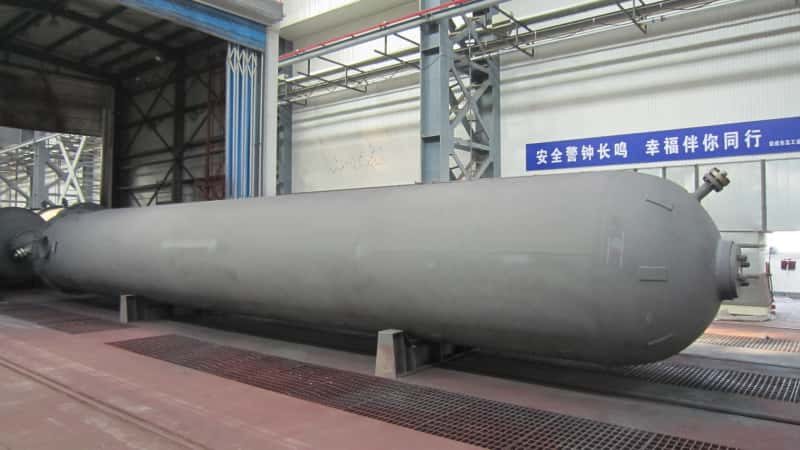

Carbon capture, utilization, and storage (CCUS) projects are moving from policy discussion into real industrial engineering. Cement plants, refineries, chemical complexes, gas processing units, hydrogen projects, and power-related facilities all need equipment that can handle CO2-rich streams safely and efficiently. For pressure equipment buyers, this creates new demand for custom pressure vessels, absorbers, separators, scrubber towers, heat exchangers, and process columns.
The technical challenge is that captured CO2 is not always a clean, dry, simple gas. Depending on the process, the stream may contain water, amines, sulfur compounds, oxygen, hydrocarbons, particulates, or other corrosive components. This makes equipment design more complex than a standard pressure vessel purchase.
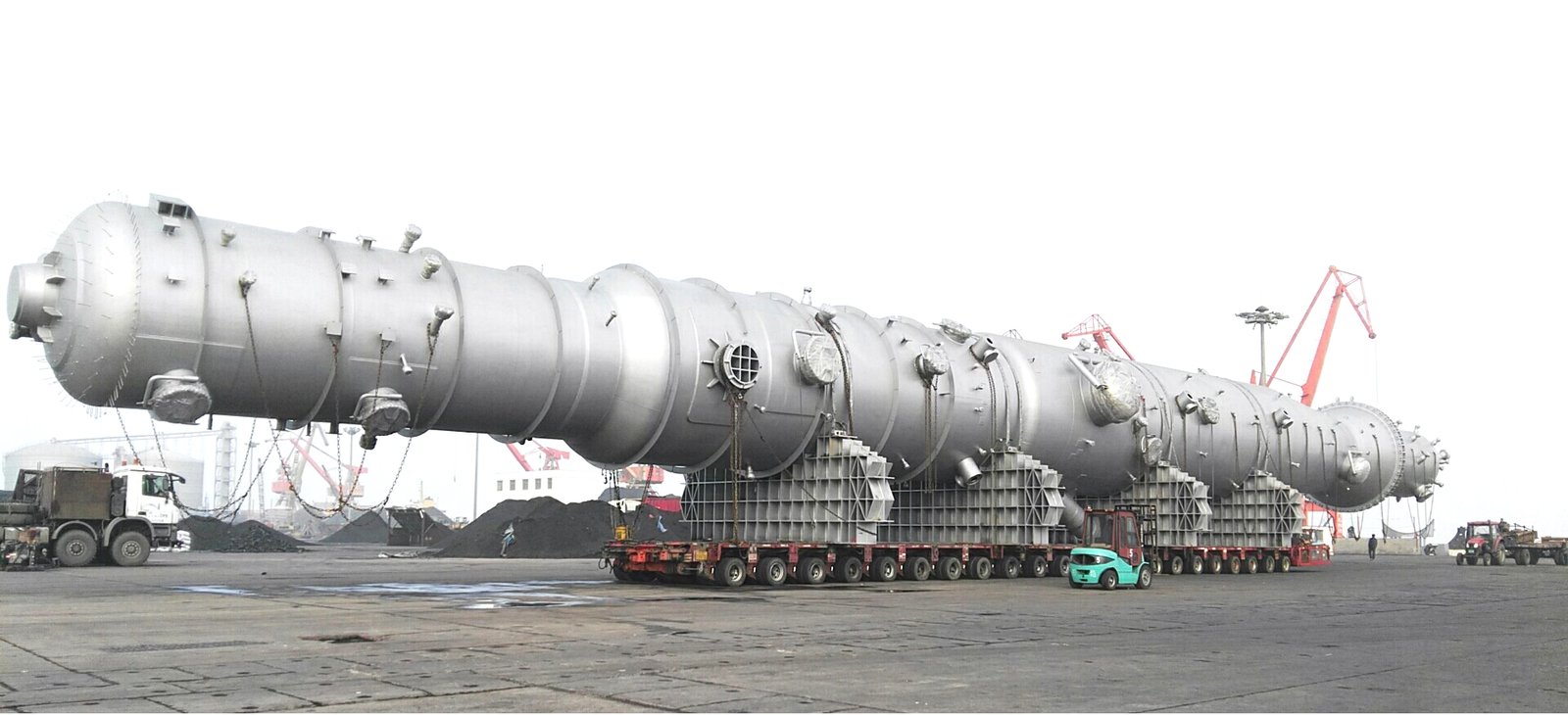
Why CCUS Is Becoming a Procurement Topic
Industrial decarbonization is pushing many plants to evaluate post-combustion capture, pre-combustion capture, gas purification, CO2 compression, dehydration, and storage infrastructure. These systems require pressure-retaining equipment that can operate under changing temperature, pressure, and corrosion conditions.
For EPC teams and plant owners, the key question is not only whether a CCUS process works chemically. The equipment must also be manufacturable, inspectable, maintainable, and compliant with the project code. This is where pressure vessel manufacturers become important partners.
Core Equipment in CCUS Systems
| Equipment | Function | Procurement concern |
|---|---|---|
| Absorber / scrubber tower | Contact flue gas or process gas with solvent | Corrosion, internals, height, inspection access |
| Regenerator / stripper | Release captured CO2 from solvent | Temperature, pressure, materials, heat integration |
| Heat exchanger | Recover heat and control process temperature | Fouling, corrosion, pressure drop, cleanability |
| Separator / knock-out vessel | Remove liquid droplets or condensate | Residence time, demister, nozzle arrangement |
| CO2 storage vessel | Buffer or store pressurized CO2 | Design pressure, low temperature, dryness, code compliance |
Pressure Vessel Design Challenges
CCUS pressure vessels may face wet CO2 corrosion, solvent degradation products, thermal cycling, and changing process composition. Buyers should define the full operating envelope, including startup, shutdown, upset conditions, and cleaning cycles.
Design code selection matters. Many projects require ASME Section VIII or local pressure equipment approval. If the vessel is high pressure, cyclic, or technically critical, the buyer may need to compare design routes using the logic discussed in ASME Section VIII Div. 1 vs Div. 2.
Material Selection for CO2-Rich Service
Material selection depends on whether the CO2 stream is dry or wet, what impurities are present, and whether solvents or acidic components are involved. Carbon steel may be acceptable in dry service, while stainless steel, duplex stainless steel, clad plate, or corrosion-resistant alloys may be required for wet and aggressive streams.
The buyer should provide CO2 concentration, water content, oxygen content, sulfur compounds, chloride content, solvent type, design temperature, and expected corrosion rate. For general material thinking, see how to choose pressure vessel material.
Heat Exchangers in CCUS Projects
Heat exchangers are central to solvent regeneration, heat recovery, gas cooling, compression interstage cooling, dehydration, and utility optimization. In amine-based systems, heat integration can strongly affect energy consumption. In compression and dehydration systems, cooling and condensation control are essential.
Shell and tube heat exchangers are often selected for CCUS-related service because they can handle pressure, temperature, fouling, corrosion allowance, and mechanical cleaning. For dirty or corrosive fluids, the buyer should clarify fouling resistance, material, NDE, and cleaning access.
Inspection and Documentation
CCUS projects often involve regulators, licensors, EPC companies, and long-term plant operators. Documentation must be clear and complete. Typical documents include design calculations, drawings, material certificates, welding records, NDE reports, heat treatment charts, hydrostatic test records, coating records, and an inspection and test plan.
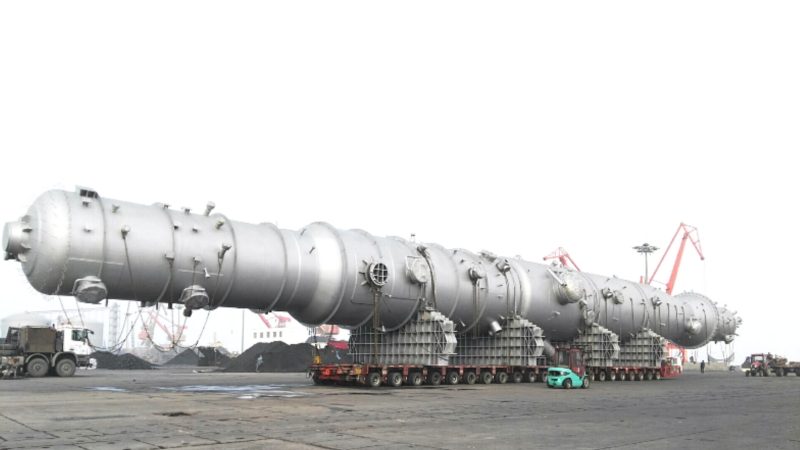
For towers and columns, internals, trays, packing supports, demisters, distributors, and access openings should also be documented. See related guidance on process tower and column specifications.
Procurement Checklist
- Define process stream composition, including water and impurities
- Specify design pressure, design temperature, and operating range
- Confirm design code and certification requirements
- Provide corrosion allowance and material preferences
- Define NDE, hydrostatic testing, and third-party inspection
- Clarify internals, nozzles, demisters, supports, and cleaning access
- Compare suppliers by engineering capability, not price alone
Common Mistakes to Avoid
- Treating wet CO2 as a simple non-corrosive gas
- Ignoring solvent degradation and impurity effects
- Underestimating heat exchanger fouling and pressure drop
- Leaving internals and inspection access undefined
- Comparing quotations without checking material, NDE, and documentation scope
Conclusion
CCUS projects create new equipment demands for industrial plants. Pressure vessels, heat exchangers, separators, scrubber towers, and storage vessels must be designed around real process chemistry, pressure, temperature, corrosion, inspection, and maintainability.
Need pressure equipment for a carbon capture project? WSHI manufactures custom pressure vessels, heat exchangers, reactors, separators, towers, and storage tanks for demanding industrial applications. Contact us with your process conditions and project standard to discuss a suitable equipment solution.