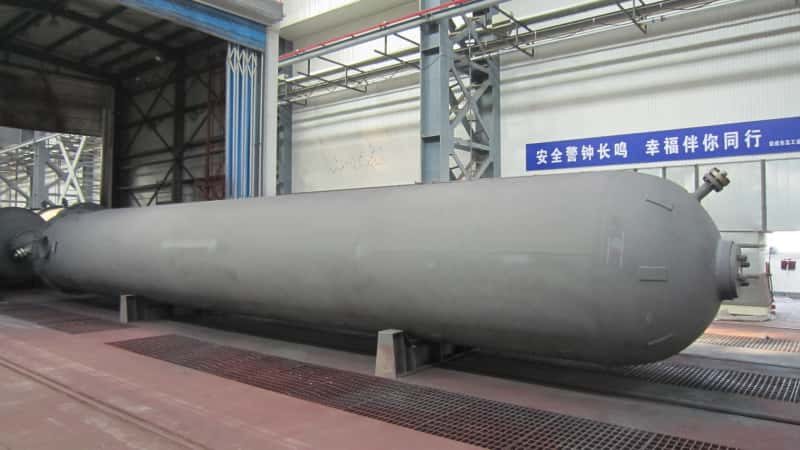

Choosing the wrong pressure tank manufacturer or supplier can result in inconsistent product quality, delayed deliveries, compliance issues, and costly system failures. In critical applications like water systems, HVAC, boilers, fire protection, and industrial processes, unreliable suppliers can disrupt operations and damage your reputation. The solution lies in a structured evaluation process that ensures you partner with a manufacturer capable of delivering consistent quality, technical expertise, and long-term support.
To evaluate pressure tank manufacturers and suppliers effectively, you should assess their certifications (such as ASME, ISO), manufacturing capabilities, material quality, customization options, quality control processes, delivery reliability, and after-sales support. The best suppliers demonstrate proven industry experience, strict compliance with international standards, transparent communication, and the ability to provide tailored solutions for specific applications.
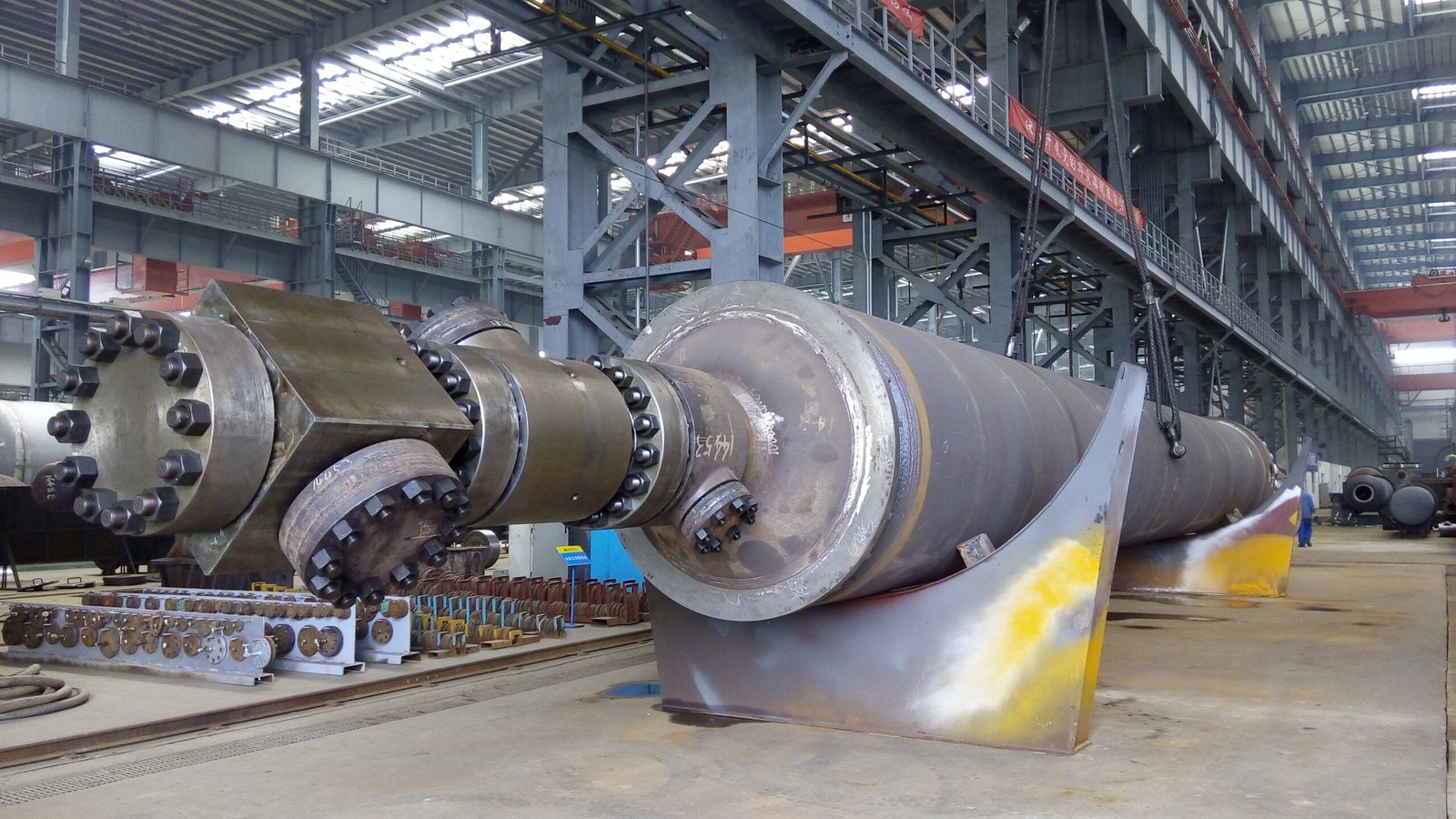
Before making a final decision, it is essential to look beyond pricing and consider the supplier’s overall value, including engineering support, scalability, and service responsiveness. The following outline will guide you through the key criteria to ensure a reliable and long-term partnership.
Why Is Evaluating Pressure Tank Manufacturers and Suppliers Critical for Your Project Success?
In industrial projects, selecting the wrong pressure tank manufacturer can lead to catastrophic failures, costly downtime, safety hazards, and regulatory non-compliance. Many buyers underestimate the complexity behind pressure vessel design, material selection, and fabrication standards, only to face issues like leaks, corrosion, or structural failure later. The solution lies in thoroughly evaluating pressure tank manufacturers and suppliers before procurement, ensuring quality, compliance, and long-term reliability.
Evaluating pressure tank manufacturers and suppliers is critical because it directly impacts safety, compliance, durability, cost-efficiency, and overall project success. A qualified supplier ensures adherence to international standards, uses high-quality materials, provides reliable engineering support, and delivers consistent product performance, reducing risks and long-term operational costs.
Understanding why this evaluation matters—and how to do it effectively—can save your project from significant risks. Let’s explore the technical, operational, and strategic factors that make supplier evaluation indispensable.
All pressure tank manufacturers follow the same safety and quality standards.False
Manufacturers vary significantly in certifications, engineering capabilities, and quality control systems, making evaluation essential.
The Role of Pressure Tanks in Industrial Systems
Pressure tanks are fundamental components in industries such as oil & gas, water treatment, chemical processing, food production, and energy systems. They are designed to store or process fluids under pressure, often in extreme conditions involving high temperature, corrosive substances, or fluctuating loads. Because of this, even minor design or manufacturing flaws can lead to severe operational and safety issues.
A pressure tank is not a generic product—it is an engineered system. Each application demands specific design considerations, including pressure ratings, material compatibility, thermal expansion, fatigue resistance, and corrosion allowances. For example, a tank used in a desalination plant requires different material properties compared to one used in a chemical reactor.
When manufacturers fail to account for these variables, the consequences can include structural deformation, stress cracking, and even explosions. Therefore, evaluating a manufacturer’s engineering expertise and design validation capabilities is crucial.
Key Evaluation Criteria for Pressure Tank Manufacturers
1. Certifications and Compliance Standards
One of the first and most critical aspects to evaluate is whether the manufacturer complies with recognized industry standards such as ASME (American Society of Mechanical Engineers), PED (Pressure Equipment Directive), or ISO certifications.
| Certification | Importance | Impact on Project |
|---|---|---|
| ASME Section VIII | Ensures safe pressure vessel design | Reduces risk of failure |
| ISO 9001 | Quality management system | Consistent product quality |
| PED (EU) | Compliance with European regulations | Legal market access |
| API Standards | Oil & gas industry requirements | Reliability in harsh conditions |
Manufacturers lacking these certifications may produce lower-cost tanks, but the risks associated with non-compliance far outweigh initial savings.
2. Material Selection and Traceability
Material quality directly affects the lifespan and safety of pressure tanks. High-quality manufacturers maintain strict material traceability, ensuring that every component meets specified standards.
| Material Type | Application | Key Properties |
|---|---|---|
| Carbon Steel | General industrial use | Cost-effective, strong |
| Stainless Steel (304/316) | Food, chemical industries | Corrosion resistance |
| Duplex Steel | Offshore environments | High strength, corrosion resistance |
| Alloy Steel | High-temperature systems | Heat resistance |
A reliable supplier will provide mill test certificates (MTCs), ensuring that materials meet chemical and mechanical specifications.
3. Engineering and Design Capabilities
Advanced manufacturers use simulation tools such as finite element analysis (FEA) to validate designs under real-world conditions. They also consider factors such as:
- Stress distribution
- Thermal expansion
- Fatigue cycles
- Seismic loads
Without proper engineering validation, tanks may fail prematurely even if they meet basic specifications.
4. Manufacturing Processes and Quality Control
The manufacturing process plays a critical role in ensuring product integrity. Key processes include:
- Welding (TIG, MIG, submerged arc welding)
- Non-destructive testing (NDT)
- Hydrostatic testing
- Heat treatment
High-quality suppliers implement rigorous inspection protocols at every stage.
| Process | Purpose | Risk if Ignored |
|---|---|---|
| NDT (Ultrasonic, X-ray) | Detect internal defects | Hidden cracks |
| Hydrostatic Testing | Verify pressure resistance | Leakage or rupture |
| Heat Treatment | Relieve stress | Material fatigue |
5. Supplier Experience and Industry Track Record
Experience is a strong indicator of reliability. Manufacturers with decades of experience typically have refined processes, skilled labor, and proven designs.
Case studies and client references provide valuable insights into:
- On-time delivery performance
- Product reliability
- After-sales support
A supplier with a strong track record in your specific industry is more likely to understand your requirements.
Cost vs. Value: A Strategic Perspective
Many project managers focus heavily on upfront cost when selecting suppliers. However, the lowest bid often leads to higher lifecycle costs due to maintenance, repairs, and downtime.
| Cost Factor | Low-Quality Supplier | High-Quality Supplier |
|---|---|---|
| Initial Cost | Low | Moderate |
| Maintenance Cost | High | Low |
| Downtime Risk | High | Minimal |
| Lifespan | Short | Long |
Investing in a reputable manufacturer results in better long-term value, even if the initial cost is higher.
Risk Mitigation Through Supplier Evaluation
Evaluating suppliers helps mitigate several critical risks:
Safety Risks
Poorly manufactured tanks can lead to explosions, leaks, and environmental hazards.
Regulatory Risks
Non-compliant equipment can result in fines, shutdowns, or legal liabilities.
Operational Risks
Frequent failures disrupt production and increase maintenance costs.
Financial Risks
Unexpected repairs and replacements can exceed initial savings.
By carefully selecting a qualified supplier, these risks can be significantly reduced.
Importance of Customization and Technical Support
Every project has unique requirements. A competent manufacturer offers customization options such as:
- Custom dimensions
- Specialized coatings
- Integrated instrumentation
- Modular designs
Additionally, strong technical support ensures proper installation, operation, and maintenance.
Supply Chain Reliability and Delivery Performance
Delays in pressure tank delivery can halt entire projects. Reliable suppliers maintain efficient supply chains, ensuring:
- Timely raw material procurement
- Consistent production schedules
- On-time delivery
Supply chain disruptions can lead to cascading project delays and increased costs.
Sustainability and Environmental Considerations
Modern projects increasingly prioritize sustainability. Leading manufacturers adopt:
- Eco-friendly materials
- Energy-efficient production processes
- Waste reduction practices
This not only supports environmental goals but also enhances corporate reputation.
Real-World Case Study
A chemical processing plant selected a low-cost pressure tank supplier without proper evaluation. Within six months, the tank developed corrosion-related leaks due to improper material selection. The plant experienced:
- 3 weeks of downtime
- $500,000 in repair costs
- Environmental compliance penalties
In contrast, another facility that invested in a certified manufacturer reported zero failures over 10 years, demonstrating the long-term value of proper supplier evaluation.
How to Evaluate a Pressure Tank Supplier: Practical Checklist
| Evaluation Area | Key Questions |
|---|---|
| Certifications | Are ASME/PED certifications available? |
| Materials | Is full traceability provided? |
| Engineering | Are simulations and calculations validated? |
| Quality Control | What testing methods are used? |
| Experience | Do they have relevant industry projects? |
| Support | Is after-sales service available? |
| Delivery | Can they meet project timelines? |
Using this checklist ensures a structured and comprehensive evaluation process.
Conclusion: Why Evaluation Is Non-Negotiable
Choosing the right pressure tank manufacturer is not just a procurement decision—it is a strategic investment in safety, reliability, and long-term project success. Thorough evaluation ensures that your equipment meets the highest standards, performs reliably under demanding conditions, and minimizes risks across the entire project lifecycle.
Contact Us for Expert Pressure Tank Solutions
What Certifications Should the Best Pressure Tank Manufacturers and Suppliers Have?
Choosing a pressure tank manufacturer without verifying certifications is one of the most common—and costly—mistakes in industrial procurement. Without proper certification, you risk equipment failure, legal penalties, insurance complications, and unsafe operations. Many buyers assume all manufacturers meet the same standards, but in reality, certification levels vary dramatically. The solution is to clearly understand which certifications truly matter and how they impact your project’s safety and success.
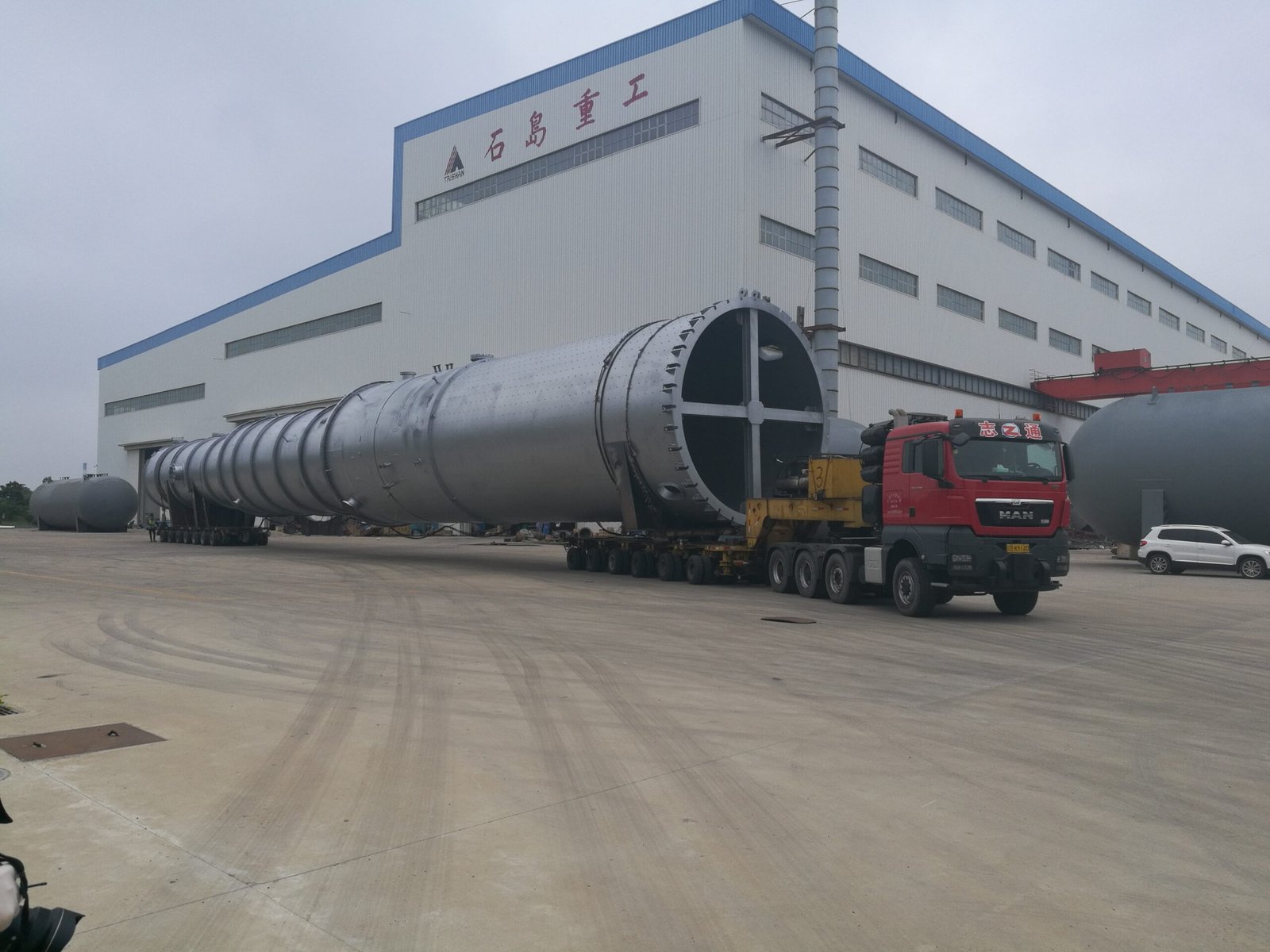
The best pressure tank manufacturers and suppliers should hold certifications such as ASME Section VIII (U Stamp), ISO 9001, PED (Pressure Equipment Directive), and relevant industry-specific standards like API or CE marking. These certifications ensure compliance with international safety regulations, guarantee manufacturing quality, and confirm that the pressure vessels are designed, tested, and documented according to strict engineering standards.
Understanding these certifications in depth will help you make informed decisions, reduce project risks, and ensure long-term operational reliability.
ISO 9001 certification alone guarantees that a pressure tank is safe for high-pressure applications.False
ISO 9001 ensures quality management systems but does not specifically certify pressure vessel design or safety compliance like ASME or PED.
Why Certifications Are the Backbone of Pressure Tank Quality
Certifications are not just paperwork—they are proof that a manufacturer follows strict engineering principles, uses qualified materials, and adheres to standardized production processes. Pressure tanks operate under potentially dangerous conditions, including high pressure, temperature fluctuations, and corrosive environments. Without certified design and manufacturing, the risk of catastrophic failure increases significantly.
Certified manufacturers undergo audits, inspections, and testing procedures to validate their capabilities. This ensures consistency, traceability, and accountability throughout the production lifecycle.
Core Certifications Every Top Manufacturer Must Have
1. ASME Boiler and Pressure Vessel Code (BPVC) – Section VIII
The ASME certification is widely regarded as the gold standard in pressure vessel manufacturing, particularly in North America and many global markets.
| Feature | Description | Project Impact |
|---|---|---|
| U Stamp | Certification for pressure vessels | Ensures compliance with ASME standards |
| Design Code | Section VIII Div. 1 & 2 | Structural integrity and safety |
| Inspection | Third-party authorized inspectors | Reduces failure risk |
| Documentation | Full traceability | Regulatory acceptance |
ASME-certified manufacturers must follow strict guidelines for design, fabrication, inspection, and testing. The presence of the U Stamp on a pressure tank signifies that it meets these rigorous standards.
2. PED (Pressure Equipment Directive – 2014/68/EU)
For projects in Europe, PED compliance is mandatory. It ensures that pressure equipment meets essential safety requirements before entering the European market.
| Category | Description | Requirement Level |
|---|---|---|
| Category I | Low-risk equipment | Basic compliance |
| Category II–IV | Higher-risk equipment | Notified body involvement |
| CE Marking | Mandatory for EU market | Legal requirement |
PED certification involves conformity assessments, risk classification, and third-party verification, ensuring that equipment is safe for operation within the EU.
3. ISO 9001 – Quality Management System
ISO 9001 focuses on the manufacturer’s ability to consistently produce high-quality products through standardized processes.
| Element | Purpose | Benefit |
|---|---|---|
| Process Control | Standardized workflows | Consistency |
| Documentation | Record keeping | Traceability |
| Continuous Improvement | Ongoing optimization | Better performance |
While ISO 9001 does not directly certify pressure vessel safety, it ensures that the manufacturer maintains a robust quality management system.
4. API Standards (American Petroleum Institute)
For oil and gas applications, API certifications are essential.
| Standard | Application | Importance |
|---|---|---|
| API 650 | Storage tanks | Structural reliability |
| API 620 | Low-pressure tanks | Specialized design |
| API 510 | Inspection code | Maintenance standards |
API-certified manufacturers demonstrate expertise in handling demanding environments such as offshore platforms and refineries.
Additional Critical Certifications to Consider
CE Marking
CE marking indicates compliance with European safety, health, and environmental protection standards. It is closely linked with PED but also applies to broader equipment categories.
ISO 14001 – Environmental Management
This certification ensures that the manufacturer follows environmentally responsible practices, which is increasingly important for sustainable projects.
ISO 45001 – Occupational Health and Safety
This standard confirms that the manufacturer maintains safe working conditions, reducing risks during production.
NB (National Board) Registration
In countries like the United States, National Board registration ensures that pressure vessels are properly documented and traceable.
Comparing Certification Importance by Industry
Different industries prioritize different certifications. Understanding this helps you select the right supplier.
| Industry | Key Certifications | Reason |
|---|---|---|
| Oil & Gas | ASME, API, ISO 9001 | High pressure, hazardous materials |
| Food & Beverage | ASME, ISO 9001, FDA compliance | Hygiene and corrosion resistance |
| Chemical | ASME, PED, ISO 14001 | Corrosive environments |
| Water Treatment | ASME, ISO 9001 | Reliability and durability |
| Power Generation | ASME, ISO 45001 | High temperature and pressure |
How Certifications Impact Safety and Performance
Certified manufacturers must follow strict engineering calculations, including:
- Stress analysis
- Fatigue evaluation
- Corrosion allowance
- Pressure testing
These requirements ensure that the tank can withstand real-world operating conditions.
Without these certifications, manufacturers may cut corners in material selection, welding quality, or testing procedures, leading to premature failure.
Certification Verification: A Practical Guide
Before selecting a supplier, you should verify their certifications through:
- Official certification bodies
- Third-party inspection agencies
- Manufacturer documentation
- On-site audits
| Verification Step | What to Check |
|---|---|
| Certificate Validity | Expiry date |
| Scope | Applicable products |
| Issuing Authority | معتبر organization |
| Audit Reports | Compliance history |
Common Misconceptions About Certifications
Many buyers misunderstand the role of certifications. Let’s clarify:
- Certification is not optional—it is essential for safety
- Not all certifications are equal in value
- More certifications do not always mean better quality (relevance matters)
Real-World Example: Certification Failure Consequences
A manufacturing plant once sourced a non-ASME-certified pressure tank to reduce costs. During operation, the tank failed due to inadequate weld quality and lack of proper stress analysis. The result included:
- Equipment damage exceeding $1 million
- Worker safety incidents
- Regulatory shutdown
This highlights the critical importance of choosing certified suppliers.
Certification Checklist for Buyers
| Category | Must-Have | Optional but Valuable |
|---|---|---|
| Design | ASME | PED |
| Quality | ISO 9001 | ISO 14001 |
| Industry | API | CE Mark |
| Safety | NB Registration | ISO 45001 |
Future Trends in Certification Requirements
As industries evolve, certification requirements are becoming more stringent. Emerging trends include:
- Digital traceability systems
- Smart inspection technologies
- Sustainability certifications
- Integration with Industry 4.0
Manufacturers that stay ahead of these trends provide greater long-term value.
Conclusion: Certifications Define Reliability
Certifications are the foundation of trust in pressure tank manufacturing. They validate engineering integrity, ensure regulatory compliance, and guarantee long-term performance. Selecting a manufacturer without proper certifications is a risk no serious project can afford.
Contact Us for Certified Pressure Tank Solutions
How Do Manufacturing Capabilities Impact Pressure Tank Manufacturers and Suppliers Selection?
Selecting a pressure tank manufacturer without evaluating their manufacturing capabilities is a hidden risk that can silently undermine your entire project. Many buyers focus only on price or certifications, overlooking whether the supplier actually has the technical capacity to deliver complex, high-performance pressure vessels. This oversight can result in poor weld quality, dimensional inaccuracies, delayed delivery, and even catastrophic equipment failure. The solution is to deeply assess manufacturing capabilities, ensuring the supplier can meet your project’s technical, quality, and timeline requirements.
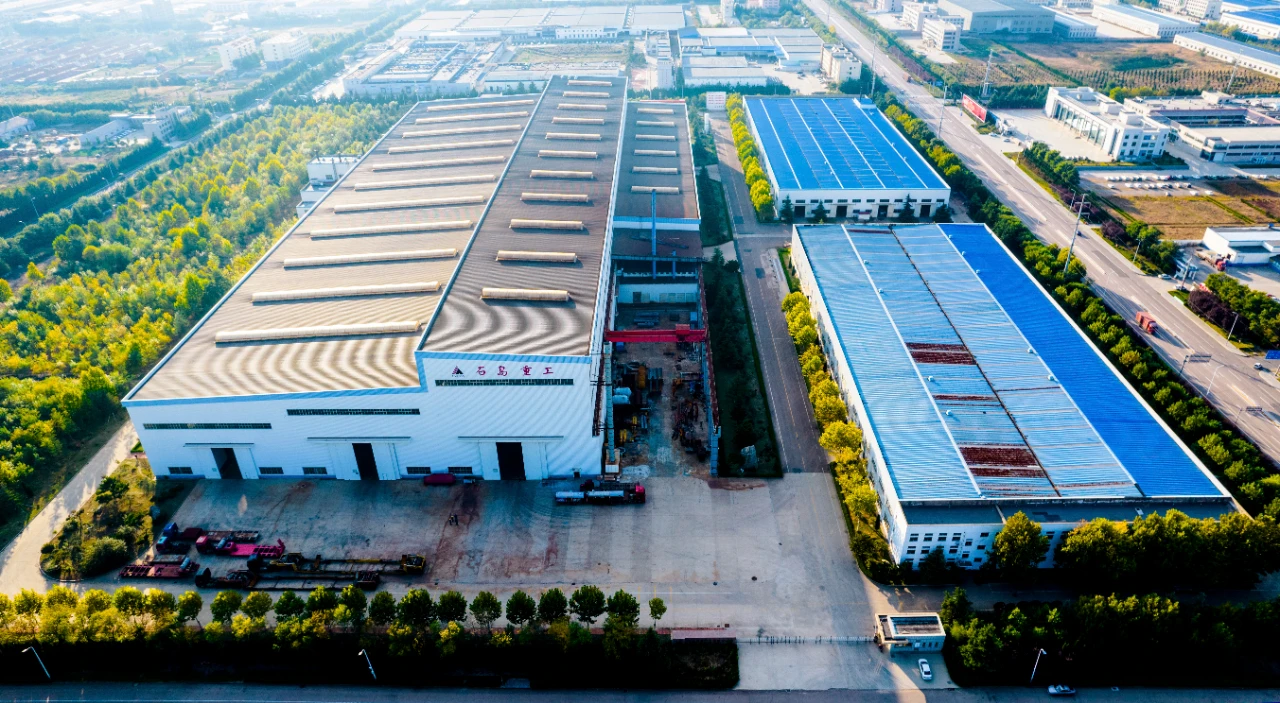
Manufacturing capabilities directly impact pressure tank supplier selection because they determine product quality, precision, scalability, compliance, and delivery reliability. A manufacturer with advanced equipment, skilled workforce, robust quality control, and integrated production systems can consistently deliver safe, durable, and high-performance pressure tanks that meet stringent industry standards.
Understanding how these capabilities influence outcomes will help you avoid costly mistakes and choose the right partner for long-term success.
All pressure tank manufacturers with certifications have equal manufacturing capabilities.False
Certifications ensure compliance but do not guarantee advanced machinery, skilled labor, or production efficiency, which vary widely among manufacturers.
Manufacturing capability is not just about having machines—it is about the integration of technology, engineering expertise, process control, and operational excellence. Let’s explore how each aspect plays a decisive role in supplier selection.
What Are Manufacturing Capabilities in Pressure Tank Production?
Manufacturing capabilities refer to the overall ability of a supplier to design, fabricate, test, and deliver pressure tanks according to precise specifications. This includes:
- Equipment and machinery
- Welding technology
- Workforce expertise
- Production capacity
- Quality assurance systems
- Automation and digital integration
A supplier with limited capabilities may struggle with complex designs, tight tolerances, or large-scale production, leading to compromised results.
Core Manufacturing Capabilities That Matter Most
1. Advanced Fabrication Equipment
Modern pressure tank manufacturing relies heavily on high-precision equipment such as:
- CNC plate rolling machines
- Automated welding systems
- Laser cutting technology
- Robotic fabrication lines
| Equipment Type | Function | Impact on Quality |
|---|---|---|
| CNC Rolling Machines | Shape steel plates | Dimensional accuracy |
| Robotic Welding | Automated seam welding | Consistency and strength |
| Laser Cutting | Precision cutting | Reduced material waste |
| Heat Treatment Furnaces | Stress relief | Structural integrity |
Manufacturers with outdated equipment often produce tanks with inconsistencies, leading to higher failure risks.
2. Welding Expertise and Technology
Welding is one of the most critical processes in pressure tank production. The strength of a pressure vessel largely depends on weld integrity.
Key welding methods include:
- TIG (Tungsten Inert Gas)
- MIG (Metal Inert Gas)
- Submerged Arc Welding (SAW)
| Welding Method | Application | Advantage |
|---|---|---|
| TIG | Thin materials | High precision |
| MIG | General fabrication | Faster production |
| SAW | Thick sections | Deep penetration |
Highly capable manufacturers employ certified welders and follow qualified welding procedures (WPS/PQR), ensuring strong and defect-free joints.
3. Production Capacity and Scalability
A supplier’s production capacity determines whether they can meet your project timeline and volume requirements.
| Capability Level | Production Volume | Suitable Projects |
|---|---|---|
| Small-scale | Low | Custom or prototype |
| Medium-scale | Moderate | Standard industrial |
| Large-scale | High | Mega projects |
If a supplier lacks scalability, delays and bottlenecks are inevitable.
Quality Control Systems: The Backbone of Manufacturing Excellence
A strong quality control system ensures that every pressure tank meets design and safety standards.
Key Quality Processes
- Non-Destructive Testing (NDT)
- Hydrostatic testing
- Dimensional inspection
- Material verification
| Quality Method | Purpose | Risk if Absent |
|---|---|---|
| X-ray Testing | Detect internal flaws | Hidden defects |
| Ultrasonic Testing | Measure thickness | Weak spots |
| Hydro Test | Pressure validation | Leakage |
| Visual Inspection | Surface quality | Missed imperfections |
Manufacturers with advanced quality systems significantly reduce failure rates.
Engineering Integration and Digital Manufacturing
Top-tier manufacturers integrate engineering with manufacturing through digital tools such as:
- CAD (Computer-Aided Design)
- CAM (Computer-Aided Manufacturing)
- FEA (Finite Element Analysis)
This integration allows:
- Accurate design translation into production
- Simulation of real-world conditions
- Optimization of material usage
Without this integration, errors in design interpretation can lead to costly rework.
Impact on Project Cost and Lifecycle Value
Manufacturing capabilities directly influence both initial cost and long-term value.
| Factor | Low Capability Supplier | High Capability Supplier |
|---|---|---|
| Initial Cost | Lower | Moderate |
| Rework Rate | High | Minimal |
| Maintenance Cost | High | Low |
| Lifespan | Short | Extended |
While high-capability manufacturers may charge more upfront, they deliver better lifecycle performance and lower total cost of ownership.
Customization Capabilities and Flexibility
Every industrial project has unique requirements. Manufacturers with strong capabilities can offer:
- Custom dimensions and configurations
- Specialized coatings and linings
- Integration with sensors and controls
- Modular designs for easy installation
Customization requires flexible production systems and skilled engineering teams—something not all suppliers possess.
Lead Time and Delivery Reliability
Manufacturing efficiency directly affects delivery timelines. Advanced manufacturers use:
- Lean production systems
- Automated scheduling
- Integrated supply chains
| Capability | Impact on Delivery |
|---|---|
| Automation | Faster production |
| Supply Chain Integration | Reduced delays |
| Skilled Workforce | Fewer errors |
Delays in pressure tank delivery can halt entire projects, making this a critical evaluation factor.
Risk Reduction Through Strong Manufacturing Capabilities
Selecting a manufacturer with robust capabilities reduces multiple risks:
Technical Risk
Ensures structural integrity and performance.
Operational Risk
Minimizes downtime and maintenance issues.
Financial Risk
Reduces unexpected costs from failures or delays.
Safety Risk
Prevents accidents caused by defective equipment.
Real-World Case Study
A power generation company required high-pressure steam vessels for a new plant. They initially selected a low-cost supplier with limited manufacturing capabilities. During commissioning, several weld defects were detected, leading to:
- 6-week project delay
- $750,000 in rework costs
- Contract penalties
In contrast, a subsequent project used a high-capability manufacturer with automated welding and advanced NDT systems. The result:
- Zero defects
- On-time delivery
- 15% lower lifecycle cost
This demonstrates how manufacturing capabilities directly influence project success.
Practical Checklist for Evaluating Manufacturing Capabilities
| Evaluation Area | Key Questions |
|---|---|
| Equipment | Is modern machinery used? |
| Welding | Are welders certified? |
| Capacity | Can they meet volume needs? |
| Quality Control | What testing methods are in place? |
| Engineering | Are digital tools used? |
| Flexibility | Can they customize designs? |
| Delivery | What is their track record? |
Using this checklist ensures a structured and effective evaluation process.
Future Trends in Pressure Tank Manufacturing
The industry is rapidly evolving with innovations such as:
- Smart manufacturing (Industry 4.0)
- IoT-enabled pressure tanks
- Advanced materials (composites, alloys)
- AI-driven quality inspection
Manufacturers investing in these technologies will offer superior performance and reliability.
Conclusion: Capabilities Define Competitiveness
Manufacturing capabilities are the foundation of a pressure tank manufacturer’s reliability, efficiency, and competitiveness. They determine whether a supplier can deliver safe, high-quality, and durable products on time and within budget. Ignoring this factor can lead to costly consequences, while prioritizing it ensures long-term project success.
Contact Us for Advanced Manufacturing Solutions
What Role Do Material Quality and Design Standards Play in Pressure Tank Manufacturers and Suppliers Evaluation?
In pressure tank procurement, overlooking material quality and design standards is a critical mistake that can lead to severe safety hazards, premature equipment failure, and costly operational disruptions. Many buyers focus on price or delivery time, assuming that all tanks are built with similar materials and engineering rigor. However, substandard materials or poorly executed design standards can result in corrosion, fatigue cracking, deformation, or even catastrophic rupture under pressure. The solution is to rigorously evaluate both material quality and adherence to design standards when selecting pressure tank manufacturers and suppliers.
Material quality and design standards play a decisive role in evaluating pressure tank manufacturers because they directly determine structural integrity, corrosion resistance, safety compliance, and service life. High-grade materials combined with internationally recognized design codes (such as ASME or PED) ensure that pressure tanks can withstand operational stresses, environmental conditions, and long-term usage without failure.
To fully understand their importance, we must examine how these two factors interact and influence every stage of a pressure tank’s lifecycle.
Using thicker steel alone guarantees a safer pressure tank regardless of design standards.False
Safety depends on proper engineering design, stress calculations, and material properties, not just thickness. Incorrect design can still lead to failure.
Material quality and design standards are inseparable elements—one defines the physical capability of the tank, while the other ensures that capability is properly utilized through engineering precision.
Why Material Quality Is the Foundation of Pressure Tank Performance
Material selection is the first and most critical decision in pressure tank manufacturing. The material must withstand internal pressure, temperature variations, chemical exposure, and mechanical stress over time.
Key Material Properties That Matter
- Tensile strength
- Yield strength
- Corrosion resistance
- Thermal stability
- Fatigue resistance
| Material Type | Typical Use | Key Advantage | Risk if Poor Quality |
|---|---|---|---|
| Carbon Steel | General industry | Cost-effective strength | Corrosion |
| Stainless Steel 304 | Food & pharma | Hygienic, corrosion-resistant | Contamination risk |
| Stainless Steel 316 | Chemical | Superior corrosion resistance | Pitting corrosion |
| Duplex Steel | Offshore | High strength + corrosion resistance | Stress cracking |
| Alloy Steel | High temp/pressure | Heat resistance | Creep failure |
High-quality materials come with mill test certificates (MTCs), ensuring traceability and compliance with chemical and mechanical specifications.
Material Traceability and Certification
Traceability ensures that every component of the pressure tank can be tracked back to its origin. This includes:
- Heat numbers
- Material certificates
- Supplier documentation
| Traceability Element | Purpose | Benefit |
|---|---|---|
| Heat Number | Identify material batch | Accountability |
| MTC (Mill Test Certificate) | Verify composition | Quality assurance |
| Inspection Records | Track compliance | Regulatory approval |
Without traceability, it becomes impossible to verify material integrity, increasing project risk.
The Role of Design Standards in Pressure Tank Safety
Design standards define how a pressure tank should be engineered to safely handle internal and external stresses. These standards include:
- ASME Boiler and Pressure Vessel Code (BPVC)
- PED (Pressure Equipment Directive)
- API standards
These codes provide detailed guidelines for:
- Wall thickness calculations
- Stress analysis
- Joint efficiency
- Safety factors
- Inspection and testing requirements
Example: Design Considerations
A properly designed pressure tank accounts for:
- Internal pressure loads
- External loads (wind, seismic)
- Thermal expansion
- Corrosion allowance
Failure to incorporate these factors can result in structural instability.
Interaction Between Material Quality and Design Standards
Material quality and design standards must work together. Even the best material will fail if poorly designed, and the best design will fail if inferior materials are used.
| Scenario | Outcome |
|---|---|
| High-quality material + poor design | Structural failure |
| Poor material + excellent design | Premature degradation |
| High-quality material + proper design | Optimal performance |
This synergy is why evaluating both factors is essential when selecting a manufacturer.
Engineering Calculations and Safety Margins
Design standards require precise engineering calculations to ensure safety under operating conditions. These include:
- Hoop stress calculations
- Longitudinal stress analysis
- Safety factor determination
Manufacturers must validate these calculations using advanced tools such as finite element analysis (FEA).
Proper safety margins ensure that the tank can handle unexpected conditions without failure.
Corrosion Management and Material Selection
Corrosion is one of the leading causes of pressure tank failure. Manufacturers must select materials based on:
- Fluid composition
- Temperature
- Environmental exposure
Corrosion Protection Methods
- Material selection (e.g., stainless steel)
- Internal coatings
- Cathodic protection
| Method | Application | Effectiveness |
|---|---|---|
| Coatings | Chemical tanks | Moderate |
| Stainless Steel | Food/chemical | High |
| Cathodic Protection | Underground tanks | High |
Ignoring corrosion factors can drastically reduce tank lifespan.
Impact on Lifecycle Cost and Reliability
Material quality and design standards significantly influence lifecycle cost.
| Factor | Low Quality | High Quality |
|---|---|---|
| Initial Cost | Lower | Higher |
| Maintenance | Frequent | Minimal |
| Downtime | High | Low |
| Lifespan | Short | Long |
Investing in high-quality materials and proper design reduces total cost of ownership.
Compliance and Regulatory Approval
Regulatory bodies require pressure tanks to meet strict standards. Non-compliance can lead to:
- Project delays
- Fines and penalties
- Operational shutdown
Manufacturers must provide:
- Design calculations
- Material certificates
- Inspection reports
This documentation ensures smooth approval processes.
Real-World Case Study
A chemical processing plant selected a supplier that used low-grade carbon steel without proper corrosion allowance in the design. Within one year:
- Severe internal corrosion developed
- Tank integrity was compromised
- Emergency shutdown occurred
The total loss exceeded $1.2 million.
In contrast, a similar plant using high-grade stainless steel and ASME-compliant design achieved over 12 years of uninterrupted operation.
Practical Evaluation Checklist
| Evaluation Area | Key Questions |
|---|---|
| Material Quality | Are certified materials used? |
| Traceability | Is full documentation available? |
| Design Standards | Are ASME/PED codes followed? |
| Engineering | Are calculations validated? |
| Corrosion Protection | Is it suitable for the application? |
| Testing | Are inspections comprehensive? |
This checklist helps ensure a thorough evaluation process.
Emerging Trends in Materials and Design
The industry is evolving with innovations such as:
- Advanced composite materials
- Corrosion-resistant alloys
- Digital twin simulations
- Smart monitoring systems
Manufacturers adopting these technologies offer improved performance and reliability.
Conclusion: The Core of Safe and Reliable Pressure Tanks
Material quality and design standards are the backbone of pressure tank safety, durability, and performance. They determine whether a tank can withstand real-world conditions and operate reliably over its intended lifespan. Ignoring these factors can lead to severe consequences, while prioritizing them ensures long-term project success.
Contact Us for High-Quality, Standards-Compliant Solutions
If you are looking for pressure tanks built with premium materials and designed to the highest international standards, we are here to help. Contact us today to discuss your project requirements and receive expert guidance tailored to your industry needs.
How to Assess Delivery, Lead Time, and Supply Chain Reliability of Pressure Tank Manufacturers and Suppliers?
Delays in pressure tank delivery can cripple entire projects, causing missed deadlines, financial penalties, and operational chaos. Many buyers assume that once a contract is signed, delivery timelines will naturally be met—but in reality, poor supply chain management, weak production planning, and unreliable logistics frequently lead to costly setbacks. The solution lies in systematically evaluating a manufacturer’s delivery performance, lead time accuracy, and supply chain reliability before making a commitment.
To assess delivery, lead time, and supply chain reliability of pressure tank manufacturers, you must evaluate their production capacity, historical on-time delivery performance, supplier network stability, inventory management systems, logistics capabilities, and risk mitigation strategies. Reliable suppliers demonstrate consistent delivery records, transparent scheduling, and resilient supply chains that can withstand disruptions without affecting project timelines.
Understanding these factors in depth enables you to choose suppliers who not only produce high-quality tanks but also deliver them exactly when your project needs them.
A shorter quoted lead time always means a more efficient and reliable pressure tank manufacturer.False
Unrealistically short lead times may indicate poor planning or overpromising, leading to delays and compromised quality.
Delivery performance is not just about speed—it is about predictability, consistency, and resilience. Let’s break down how to evaluate these critical factors.
Why Delivery and Supply Chain Reliability Matter
Pressure tanks are often critical path components in industrial projects. Any delay can halt installation, commissioning, and overall project progress. Reliable delivery ensures:
- Project timeline adherence
- Cost control
- Resource optimization
- Reduced downtime
Unreliable suppliers, on the other hand, create cascading delays that impact multiple stakeholders.
Understanding Lead Time in Pressure Tank Manufacturing
Lead time refers to the total time from order placement to final delivery. It includes:
- Engineering and design approval
- Raw material procurement
- Fabrication and welding
- Inspection and testing
- Packaging and shipping
| Lead Time Component | Typical Duration | Risk Factors |
|---|---|---|
| Design & Approval | 1–3 weeks | Client revisions |
| Material Procurement | 2–6 weeks | Supplier delays |
| Manufacturing | 4–12 weeks | Capacity limits |
| Testing & Inspection | 1–2 weeks | Rework issues |
| Shipping | 1–8 weeks | Logistics disruptions |
A reliable manufacturer provides realistic and well-structured lead time estimates.
Key Factors to Evaluate Delivery Reliability
1. Historical On-Time Delivery Performance
Past performance is one of the strongest indicators of future reliability.
| Metric | Benchmark | Interpretation |
|---|---|---|
| On-Time Delivery Rate | >95% | Highly reliable |
| Delay Frequency | <5% | Low risk |
| Average Delay Duration | <3 days | Efficient recovery |
Request documented performance data or client references to verify these metrics.
2. Production Planning and Scheduling Systems
Advanced manufacturers use digital tools such as:
- ERP (Enterprise Resource Planning) systems
- Production scheduling software
- Real-time tracking dashboards
These systems enable:
- Accurate forecasting
- Resource allocation
- Bottleneck identification
Without proper planning systems, delays are almost inevitable.
Supply Chain Strength: The Hidden Backbone
A manufacturer’s supply chain determines whether they can maintain consistent production.
Key Supply Chain Elements
- Raw material suppliers
- Component vendors
- Logistics partners
- Inventory systems
| Supply Chain Factor | Strong Supplier | Weak Supplier |
|---|---|---|
| Supplier Network | Diversified | Limited |
| Inventory | Buffer stock | Just-in-time only |
| Risk Management | Proactive | Reactive |
| Transparency | High | Low |
A strong supply chain ensures continuity even during disruptions.
Material Availability and Procurement Strategy
Material shortages are a common cause of delays. Reliable manufacturers:
- Maintain long-term supplier relationships
- Stock critical materials
- Use multiple sourcing strategies
| Strategy | Benefit |
|---|---|
| Multi-sourcing | Reduces dependency |
| Bulk purchasing | Ensures availability |
| Strategic stock | Minimizes delays |
Logistics and Transportation Capabilities
Pressure tanks are often large and heavy, requiring specialized transportation.
Key Logistics Considerations
- Heavy haul transport
- Route planning
- Customs clearance (for international shipments)
- Packaging and protection
| Logistics Capability | Impact |
|---|---|
| In-house logistics team | Better coordination |
| Global shipping partners | Wider reach |
| Real-time tracking | Visibility |
Poor logistics planning can delay delivery even if manufacturing is completed on time.
Risk Management and Contingency Planning
Reliable suppliers prepare for unexpected disruptions such as:
- Raw material shortages
- Equipment breakdowns
- Labor issues
- Transportation delays
| Risk Type | Mitigation Strategy |
|---|---|
| Supply disruption | Backup suppliers |
| Production failure | Redundant equipment |
| Logistics delay | Alternative routes |
Suppliers without contingency plans are high-risk partners.
Communication and Transparency
Clear communication is essential for managing expectations and addressing issues.
Reliable manufacturers provide:
- Regular progress updates
- Transparent timelines
- Early warning of potential delays
| Communication Level | Outcome |
|---|---|
| High transparency | Trust and predictability |
| Low transparency | Uncertainty and risk |
Impact on Project Cost and Efficiency
Delivery reliability directly affects project economics.
| Factor | Unreliable Supplier | Reliable Supplier |
|---|---|---|
| Project Delay | Frequent | Rare |
| Penalty Costs | High | Minimal |
| Resource Idle Time | High | Low |
| Overall Efficiency | Poor | Optimized |
Choosing a reliable supplier reduces hidden costs and improves efficiency.
Real-World Case Study
A water treatment project required multiple pressure tanks delivered within a strict timeline. The selected supplier quoted an aggressive lead time but lacked supply chain depth. As a result:
- Raw material delays extended production by 5 weeks
- Shipping complications added 2 more weeks
- Total project delay: 7 weeks
In contrast, another project used a supplier with strong supply chain integration and accurate scheduling:
- Delivery completed 2 days ahead of schedule
- Zero disruptions
- Improved project coordination
This demonstrates how supply chain reliability directly impacts project success.
Practical Checklist for Supplier Evaluation
| Evaluation Area | Key Questions |
|---|---|
| Lead Time Accuracy | Are timelines realistic and detailed? |
| Delivery Performance | What is their on-time delivery rate? |
| Production Planning | Do they use ERP systems? |
| Supply Chain | Are suppliers diversified? |
| Inventory | Is there buffer stock? |
| Logistics | Can they handle complex transport? |
| Risk Management | Are contingency plans in place? |
| Communication | Is progress reporting transparent? |
Using this checklist ensures a structured evaluation process.
Future Trends in Supply Chain Reliability
The pressure tank industry is evolving with:
- Digital supply chain integration
- AI-driven demand forecasting
- Blockchain for traceability
- Smart logistics tracking
Manufacturers adopting these technologies offer greater reliability and transparency.
Conclusion: Reliability Is a Competitive Advantage
Delivery, lead time, and supply chain reliability are not secondary considerations—they are critical factors that determine project success. A manufacturer’s ability to deliver on time, consistently, and transparently is a direct reflection of their operational excellence.
Contact Us for Reliable and On-Time Pressure Tank Solutions
If your project depends on timely delivery and dependable supply chains, we are here to support you. Our advanced production planning, robust supplier network, and proven delivery performance ensure your pressure tanks arrive on schedule—every time. Contact us today to discuss your requirements and experience true reliability.
Why Is After-Sales Service Essential When Choosing Pressure Tank Manufacturers and Suppliers?
When investing in pressure tanks, many buyers focus heavily on design, certifications, and price—but overlook one of the most critical factors: after-sales service. This oversight can lead to severe consequences such as prolonged downtime, unresolved technical issues, safety risks, and escalating maintenance costs. Without reliable support after installation, even the highest-quality pressure tank can become a liability. The solution is to prioritize manufacturers who offer comprehensive, responsive, and technically competent after-sales service.
After-sales service is essential when choosing pressure tank manufacturers and suppliers because it ensures ongoing operational safety, minimizes downtime, supports maintenance and compliance, and extends equipment lifespan. A strong after-sales program includes technical support, spare parts availability, inspection services, troubleshooting, and training, all of which are critical for long-term performance and cost efficiency.
Understanding the depth and value of after-sales service can transform your supplier selection from a short-term purchase decision into a long-term strategic partnership.
Once a pressure tank is installed, it requires minimal support if it was manufactured correctly.False
Even high-quality pressure tanks require regular maintenance, inspections, and technical support to ensure safe and efficient operation over time.
After-sales service is not an optional add-on—it is a core component of the total value a manufacturer provides.
What Does After-Sales Service Include?
After-sales service encompasses all support provided after the pressure tank is delivered and installed. This includes:
- Installation guidance
- Commissioning support
- Routine maintenance services
- Inspection and testing
- Spare parts supply
- Emergency repair support
- Technical consultation
- Operator training
These services ensure that the pressure tank continues to operate safely and efficiently throughout its lifecycle.
Why After-Sales Service Is Critical for Pressure Tank Performance
Pressure tanks operate under demanding conditions, including high pressure, temperature fluctuations, and exposure to corrosive substances. Over time, these conditions can lead to wear and tear.
Without proper maintenance and support, issues such as:
- Corrosion
- Fatigue cracking
- Valve malfunction
- Pressure imbalance
can escalate into serious failures.
After-sales service ensures early detection and resolution of these issues, preventing costly breakdowns.
Impact on Operational Continuity
Downtime in industrial operations can be extremely expensive. A lack of timely support can prolong outages and disrupt production schedules.
| Scenario | Without After-Sales Support | With After-Sales Support |
|---|---|---|
| Equipment Failure | Long downtime | سريع resolution |
| Spare Parts | Delayed sourcing | Immediate availability |
| Technical Issues | Trial-and-error fixes | Expert guidance |
| Production Impact | High loss | Minimal disruption |
Reliable after-sales service ensures quick response and minimal operational impact.
Maintenance and Inspection Services
Regular maintenance is essential for pressure tank safety and compliance.
Key Maintenance Activities
- Visual inspections
- Non-destructive testing (NDT)
- Pressure testing
- Cleaning and descaling
- Component replacement
| Maintenance Type | Frequency | Purpose |
|---|---|---|
| Routine Inspection | Monthly/Quarterly | Detect early issues |
| NDT Testing | Annually | Identify internal defects |
| Hydro Testing | Periodically | Verify pressure integrity |
Manufacturers that provide structured maintenance programs help extend equipment lifespan.
Spare Parts Availability and Management
A critical aspect of after-sales service is the availability of genuine spare parts.
| Component | Importance | Risk if Unavailable |
|---|---|---|
| Valves | Pressure control | System failure |
| Gaskets | Sealing | Leakage |
| Sensors | Monitoring | Safety risk |
Manufacturers with strong after-sales support maintain inventory and ensure quick delivery of parts.
Technical Support and Troubleshooting
Even experienced operators may encounter complex issues. Access to expert technical support ensures:
- Accurate diagnosis
- Faster resolution
- Reduced risk of improper repairs
Support can be provided through:
- On-site visits
- Remote diagnostics
- Digital monitoring systems
Training and Knowledge Transfer
Proper operation is key to maintaining pressure tank performance. Leading manufacturers provide:
- Operator training programs
- Maintenance guidelines
- Safety procedures
| Training Area | Benefit |
|---|---|
| Operation | Efficient use |
| Maintenance | Reduced wear |
| Safety | Accident prevention |
Well-trained personnel reduce the likelihood of operational errors.
Compliance and Regulatory Support
Pressure tanks must comply with strict safety regulations throughout their lifecycle.
After-sales service helps ensure:
- Periodic inspections meet regulatory requirements
- Documentation is updated
- Compliance audits are passed
Failure to maintain compliance can result in fines or shutdowns.
Lifecycle Cost Reduction
After-sales service significantly reduces total cost of ownership.
| Cost Factor | Without Support | With Support |
|---|---|---|
| Maintenance | High | Controlled |
| Downtime | Frequent | Minimal |
| Repairs | Expensive | Preventive |
| Lifespan | Shorter | Extended |
Investing in strong after-sales service leads to long-term savings.
Building Long-Term Partnerships
Choosing a supplier with strong after-sales capabilities transforms the relationship into a partnership rather than a one-time transaction.
Benefits include:
- Continuous improvement
- Customized solutions
- Priority support
- Better communication
This partnership approach enhances project outcomes and operational efficiency.
Real-World Case Study
A manufacturing facility installed a high-quality pressure tank but chose a supplier with limited after-sales support. When a valve malfunction occurred:
- Spare parts took 3 weeks to arrive
- Production halted during this period
- Financial loss exceeded $300,000
In contrast, another facility working with a full-service supplier experienced a similar issue:
- Immediate technical support provided
- Spare part delivered within 48 hours
- Minimal downtime
This clearly illustrates the value of after-sales service.
How to Evaluate After-Sales Service Capabilities
| Evaluation Area | Key Questions |
|---|---|
| Response Time | How quickly do they respond to issues? |
| Spare Parts | Are parts readily available? |
| Technical Support | Is expert assistance accessible? |
| Maintenance Services | Do they offer structured programs? |
| Training | Is operator training provided? |
| Warranty | What coverage is included? |
A thorough evaluation ensures you select a reliable partner.
Emerging Trends in After-Sales Service
The industry is evolving with advanced service models such as:
- Remote monitoring using IoT
- Predictive maintenance with AI
- Digital service platforms
- Augmented reality (AR) support
These innovations improve efficiency and reduce downtime.
Conclusion: After-Sales Service Is a Strategic Asset
After-sales service is not just support—it is a critical factor that determines the long-term success, safety, and efficiency of your pressure tank investment. A manufacturer with strong after-sales capabilities ensures that your equipment performs reliably throughout its lifecycle, minimizing risks and maximizing value.
Contact Us for Comprehensive After-Sales Support
Looking for a pressure tank supplier that stands by you long after delivery? We offer end-to-end after-sales services, including maintenance, technical support, spare parts, and training. Contact us today to ensure your operations remain safe, efficient, and uninterrupted.
Conclusion
Evaluating pressure tank manufacturers and suppliers requires a comprehensive approach that balances technical qualifications, production strength, quality assurance, and service capabilities. A well-chosen partner not only delivers reliable products but also supports your system’s long-term efficiency and safety.
Call to Action
FAQ
Q1: What certifications should a pressure tank manufacturer have?
A: Certifications are one of the most critical factors when evaluating a pressure tank manufacturer because they directly reflect safety, compliance, and product reliability. The most important certification to look for is ASME (American Society of Mechanical Engineers), specifically Section VIII for pressure vessels. This ensures the tank is designed and manufactured to handle high pressure safely.
For potable water systems, NSF/ANSI certification is essential, as it guarantees that materials used are safe for drinking water. In HVAC and boiler systems, ASME certification is often mandatory by law in many regions.
Fire protection systems require compliance with NFPA standards, meaning manufacturers must meet strict fire safety requirements. In addition, ISO 9001 certification indicates that the manufacturer follows consistent quality management practices.
Top brands like Amtrol, Watts, and Bell & Gossett typically hold multiple certifications, making them reliable choices.
Always verify certification documents rather than relying solely on marketing claims. This step ensures compliance with local regulations and reduces the risk of system failure.
Q2: How do you assess the quality of pressure tanks?
A: Assessing the quality of pressure tanks involves evaluating materials, design, manufacturing processes, and performance testing. High-quality tanks are typically made from carbon steel or stainless steel with corrosion-resistant coatings. The internal diaphragm or bladder should be made from durable materials like butyl rubber or EPDM.
Welding quality is another key indicator. Precision welding ensures structural integrity under high pressure. Reputable manufacturers perform hydrostatic testing and pressure cycling tests to validate durability.
You should also consider the design features—such as replaceable diaphragms, anti-corrosion linings, and proper air charge systems—which improve longevity and performance.
Brands like Taco and Zilmet are known for consistent build quality and innovation.
Additionally, review product warranties and expected lifespan. A longer warranty often reflects confidence in product quality. Customer reviews and case studies can also provide real-world insights into performance.
Ultimately, a high-quality pressure tank should deliver durability, safety, and stable pressure control over many years of operation.
Q3: What factors should you consider when choosing a supplier?
A: Choosing the right pressure tank supplier goes beyond product quality—it involves evaluating reliability, service, and logistics. Key factors include:
- Product range: A good supplier offers tanks for multiple applications (water, HVAC, fire, industrial).
- Availability: Fast delivery and stock availability are crucial for project timelines.
- Technical support: Suppliers should provide sizing assistance and engineering guidance.
- After-sales service: Warranty support and replacement parts availability are essential.
Working with established brands like Amtrol or distributors of Bell & Gossett products ensures better reliability.
You should also evaluate the supplier’s experience in your industry. For example, industrial projects may require custom-engineered solutions, while residential projects need cost-effective standard models.
Communication is another key factor—responsive suppliers reduce delays and misunderstandings.
In summary, the best supplier combines product quality, technical expertise, and dependable service.
Q4: How important is pricing when selecting a manufacturer?
A: Pricing is important, but it should never be the sole deciding factor when selecting a pressure tank manufacturer. Low-cost options may compromise on materials, certifications, or manufacturing quality, leading to higher long-term costs due to maintenance, failures, or replacements.
Instead, focus on total cost of ownership (TCO), which includes:
- Initial purchase price
- Installation costs
- Maintenance requirements
- Energy efficiency
- Expected lifespan
Premium brands like Watts or Taco may have higher upfront costs but offer better durability and performance, reducing long-term expenses.
It’s also important to compare quotes from multiple suppliers while ensuring they meet the same specifications and certifications. Hidden costs, such as shipping, customization, or installation support, should be considered.
Ultimately, the best choice balances cost with quality, safety, and reliability.
Q5: How do you verify a manufacturer’s reputation and reliability?
A: Verifying a manufacturer’s reputation involves researching their track record, customer feedback, and industry presence. Start by checking how long the company has been in business—established brands like Bell & Gossett and Amtrol have decades of experience.
Look for customer reviews, testimonials, and case studies. These provide insights into real-world performance and customer satisfaction. Industry certifications and partnerships also indicate credibility.
You can also evaluate their project portfolio—manufacturers involved in large-scale commercial or industrial projects are generally more reliable.
Another important factor is after-sales support. Reliable manufacturers provide technical documentation, troubleshooting assistance, and spare parts availability.
Finally, consider third-party audits or references from engineers and contractors who have worked with the manufacturer.
In conclusion, a reputable manufacturer demonstrates consistent quality, strong customer support, and proven performance across various applications.
References
- ASME Boiler and Pressure Vessel Code – https://www.asme.org – ASME
- NFPA Standards – https://www.nfpa.org – NFPA
- ISO 9001 Quality Management – https://www.iso.org – ISO
- Amtrol Products – https://www.amtrol.com – Amtrol
- Watts Water Technologies – https://www.watts.com – Watts
- Bell & Gossett (Xylem) – https://www.xylem.com – Xylem Inc.
- Taco Comfort Solutions – https://www.tacocomfort.com – Taco
- Zilmet USA – https://www.zilmetusa.com – Zilmet
- Engineering Toolbox – https://www.engineeringtoolbox.com – Engineering Toolbox
- ASHRAE HVAC Resources – https://www.ashrae.org – ASHRAE