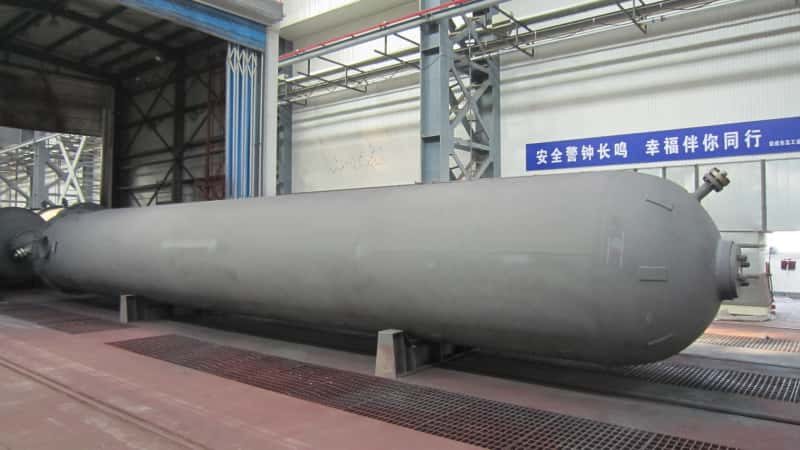

Delays in receiving a pressure tank can disrupt entire project timelines, increase costs, and create operational bottlenecks. Many buyers underestimate how long manufacturing and delivery actually take, assuming quick turnaround times without considering design complexity, material sourcing, and logistics challenges. This often leads to unrealistic expectations and project delays. The solution is to understand the full lead time process and work with manufacturers who provide accurate timelines and reliable delivery schedules.
The lead time for manufacturing and delivering a pressure tank typically ranges from 6 to 20 weeks, depending on design complexity, material availability, production capacity, certification requirements, and shipping distance. Standard tanks may take 6–10 weeks, while custom-engineered or large-scale pressure vessels can require 12–20 weeks or more, including fabrication, testing, and transportation.
“>
Understanding each stage of the lead time helps you plan effectively and avoid costly delays.
All pressure tanks can be manufactured and delivered within 4 weeks regardless of specifications.False
Lead time varies significantly based on customization, materials, certifications, and logistics, making short universal timelines unrealistic.
Breakdown of Pressure Tank Lead Time
The total lead time is a combination of several critical stages, each contributing to the final delivery schedule.
1. Engineering and Design Phase
Before manufacturing begins, the tank must be properly designed and approved.
| Task | Typical Duration | Key Factors |
|---|---|---|
| Requirement Analysis | 2–5 days | Project complexity |
| Design & Calculations | 1–2 weeks | Pressure, size, standards |
| Client Approval | 3–7 days | Revision cycles |
This phase ensures the tank meets all technical and safety requirements.
2. Raw Material Procurement
Material availability is one of the biggest variables in lead time.
| Material Type | Procurement Time | Risk Level |
|---|---|---|
| Carbon Steel | 1–3 weeks | Low |
| Stainless Steel | 2–5 weeks | Medium |
| Duplex/Alloy Steel | 4–8 weeks | High |
Delays often occur if specialized materials are required.
Manufacturing and Fabrication Stage
This is the core production phase where the tank is physically built.
Key Processes
- Plate cutting and rolling
- Welding and assembly
- Heat treatment
- Surface finishing
| Tank Type | Manufacturing Time |
|---|---|
| Standard Tanks | 3–6 weeks |
| Custom Tanks | 6–12 weeks |
| Large/High-Pressure Vessels | 10–16 weeks |
Complex designs and strict tolerances increase production time.
Inspection and Testing
Quality assurance is mandatory for pressure tanks.
Common Tests
- Non-Destructive Testing (NDT)
- Hydrostatic pressure testing
- Dimensional inspection
| Test Type | Duration | Purpose |
|---|---|---|
| NDT | 2–5 days | Detect internal defects |
| Hydro Test | 1–2 days | Verify pressure integrity |
| Final Inspection | 2–3 days | Compliance check |
Skipping or rushing this stage increases safety risks.
Certification and Documentation
If required, third-party inspections and certifications (such as ASME or PED) can extend lead time.
| Certification | Additional Time |
|---|---|
| ASME | 1–2 weeks |
| PED | 1–3 weeks |
| Client Inspection | 3–7 days |
Shipping and Delivery
Transportation time depends on location and logistics complexity.
| Delivery Mode | Typical Duration |
|---|---|
| Local Delivery | 2–5 days |
| Domestic Freight | 1–2 weeks |
| International Shipping | 3–8 weeks |
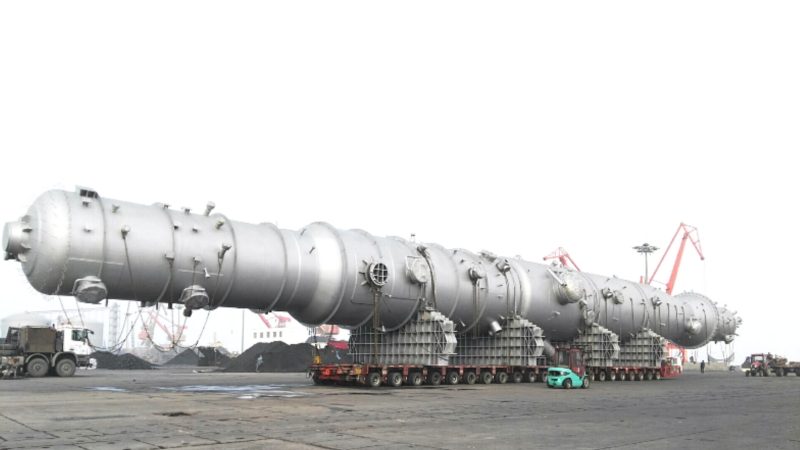
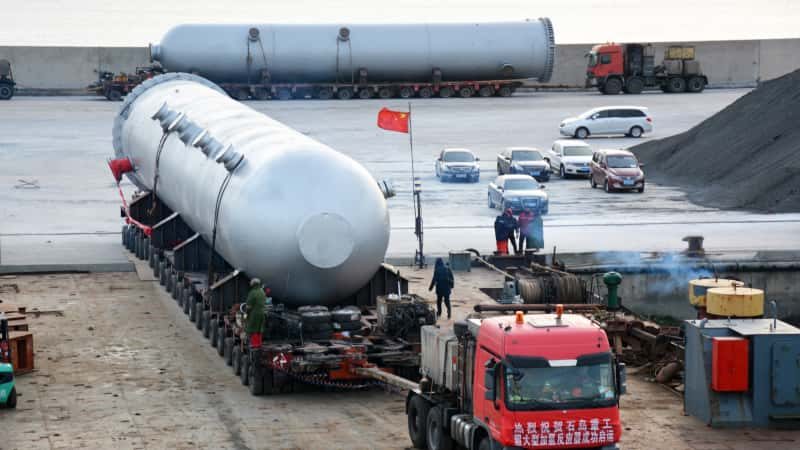
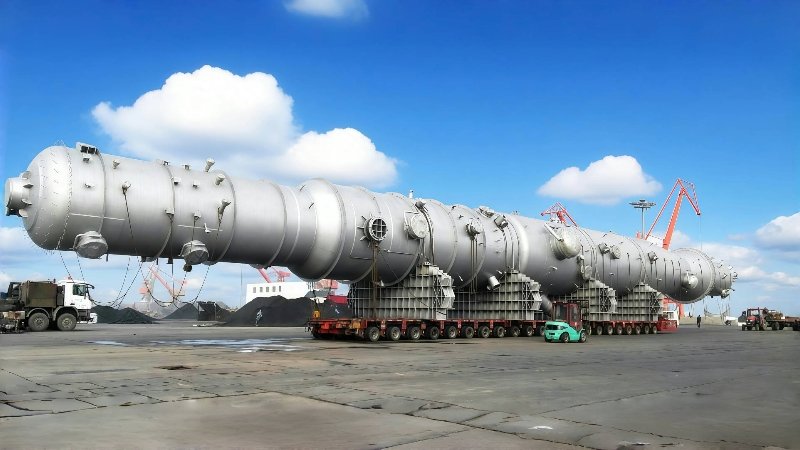
Large tanks may require special transport arrangements, adding time.
Total Lead Time Summary
| Tank Type | Total Lead Time |
|---|---|
| Standard Pressure Tank | 6–10 weeks |
| Customized Tank | 10–16 weeks |
| Large/Complex Vessel | 12–20+ weeks |
Key Factors That Affect Lead Time
1. Design Complexity
More complex designs require longer engineering and fabrication time.
2. Material Availability
Special alloys or imported materials can delay production.
3. Manufacturing Capacity
Busy factories may have longer queues.
4. Certification Requirements
Third-party inspections add time but ensure compliance.
5. Logistics and Location
Distance and transport method significantly impact delivery time.
How to Reduce Lead Time Risks
To ensure timely delivery:
- Choose manufacturers with strong production capacity
- Confirm material availability early
- Approve designs quickly
- Plan for realistic timelines
- Work with suppliers who offer transparent scheduling
Real-World Example
A food processing company required a custom stainless steel pressure tank. Due to delayed design approval and material shortages:
- Engineering phase extended by 2 weeks
- Material procurement delayed by 3 weeks
- Total delay: 5 weeks
In contrast, another company working with a well-organized supplier completed the same type of project on schedule due to:
- Pre-approved designs
- In-stock materials
- Efficient production planning
Conclusion: Plan Ahead for Success
Lead time for pressure tank manufacturing and delivery is influenced by multiple technical and logistical factors. Understanding these variables allows you to set realistic expectations, avoid delays, and ensure smooth project execution.