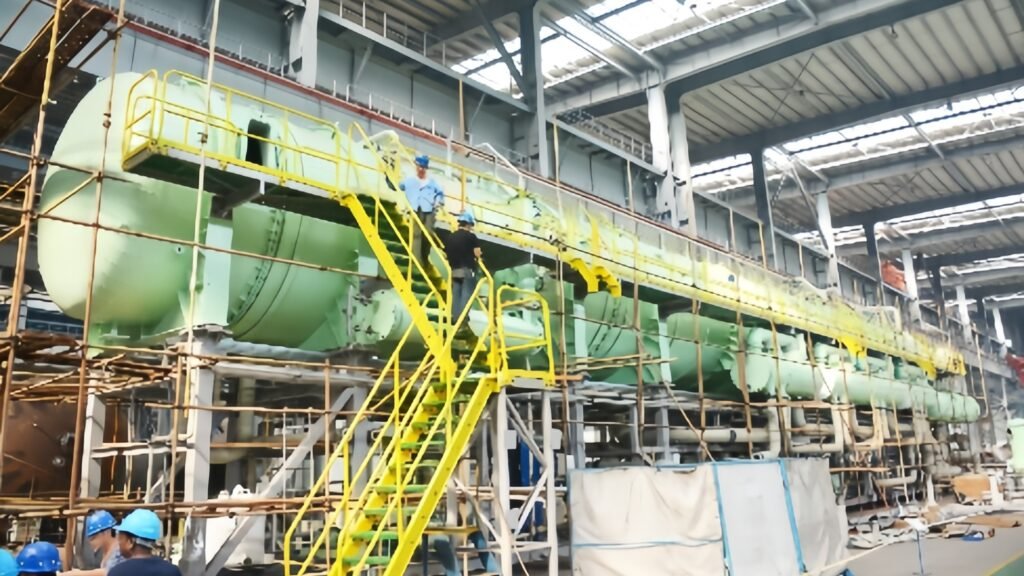

How do reaction kinetics and heat management affect Ammonia Synthesis Tower & Column performance?

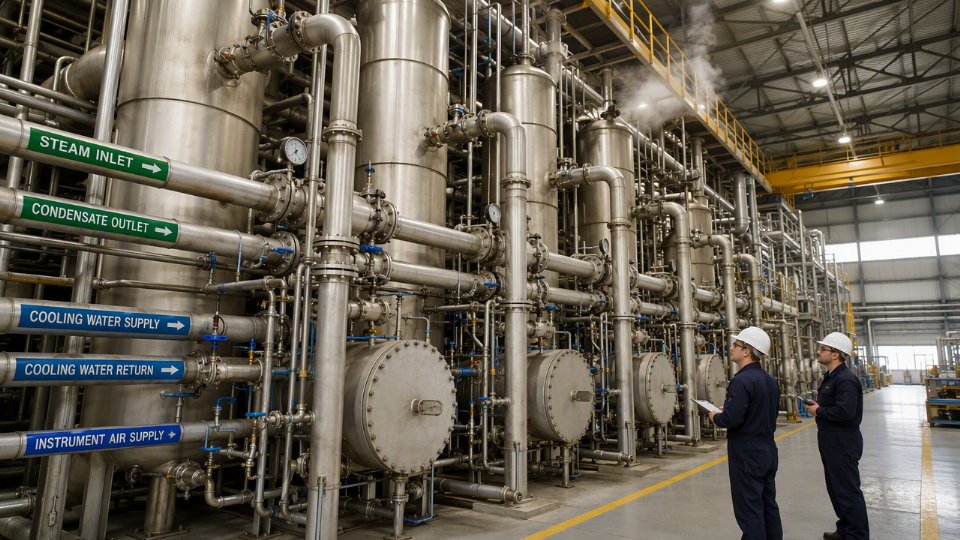
Ammonia production via the Haber-Bosch process is one of the most energy-intensive and thermodynamically delicate chemical reactions in industrial chemistry. Despite advances in catalyst technology and process control, underperformance in an ammonia synthesis tower or column often results from a lack of balance between reaction kinetics and heat management. If the reaction proceeds too slowly, […]
What is the working principle of a Hairpin Heat Exchanger?

Hairpin heat exchangers play a crucial role in many industrial processes where efficient heat transfer between two fluids is essential. However, due to their unique U-shaped design, many engineers and operators are unfamiliar with how they function compared to traditional shell and tube heat exchangers. Misunderstanding the working principle can lead to poor selection, reduced […]
Pressure Vessel Evolution: 300 Years of Industrial Safety Engineering

A Global Timeline and WHSD Engineering Perspective Pressure vessels are critical industrial equipment designed to safely contain gases or liquids under pressure. They are widely used in energy, chemical processing, power generation, oil & gas, and industrial manufacturing. Over the past 300 years, pressure vessel technology has evolved alongside industrial civilization. This page presents a […]
What are the different design configurations of the shell and tube heat exchanger, and which is most suitable for our application?

Shell and tube heat exchangers are widely used across industries like chemical processing, oil refining, HVAC, power generation, and pharmaceuticals due to their robust design and high thermal efficiency. However, the complexity and variability in their configurations often confuse buyers and engineers, leading to incorrect selections that cause reduced heat transfer performance, operational inefficiencies, and […]
What type of shell and tube heat exchanger is best for oil refineries, power plants, food processing, or pharmaceuticals?

In high-demand industries like oil refining, power generation, food processing, and pharmaceutical production, heat exchange is vital for efficient and safe operation. Yet, choosing the wrong type of shell and tube heat exchanger can lead to fouling, energy loss, downtime, or even contamination. Each industry has specific operational, hygienic, and temperature demands, making generic equipment […]
How do you define and calculate heat duty in a heat exchanger?

In any thermal system, the core purpose of a heat exchanger is to transfer heat from one fluid to another—and the amount of heat transferred per unit time is known as the heat duty. Whether you’re sizing a new exchanger, analyzing process performance, or troubleshooting underperformance, knowing how to define and calculate heat duty is […]
What is the working principle of a shell and tube heat exchanger?

Shell and tube heat exchangers are among the most commonly used types of heat exchangers in industrial applications, yet many engineers and facility operators still struggle with understanding their internal mechanisms. This lack of clarity can lead to improper sizing, poor maintenance, and even operational failures—resulting in energy inefficiency, reduced equipment life, and increased operational […]
What Are the Materials of Construction for the Heat Exchanger, and How Do They Align With Our Fluid Compatibility and Corrosion Resistance Needs?

Selecting the wrong heat exchanger material can cause catastrophic system failures, rapid corrosion, fluid contamination, and ultimately, significant financial loss. Each process fluid has its own unique set of chemical properties that interact differently with metals and alloys. If these reactions are not properly understood during material selection, it can lead to premature failure or […]
How Do Material Selections (e.g., Stainless Steel, Titanium, Copper Alloys) Affect a Heat Exchanger’s Durability and Compatibility?

In industrial and HVAC applications, heat exchangers must endure harsh environments, including extreme temperatures, pressure variations, and corrosive fluids. One of the most critical factors that determine the reliability, lifespan, and safety of a heat exchanger is material selection. Choosing the wrong material can lead to premature failure, increased maintenance costs, and even system shutdowns. […]
What Are the Main Types of Heat Exchangers and Their Industrial Applications?

In modern industrial systems, efficient thermal energy transfer is critical. Poor heat exchange can lead to energy loss, increased operational costs, equipment wear, and even safety hazards. Many industries struggle to select the right type of heat exchanger due to the complexity of designs and the diversity of applications. Choosing an unsuitable type can result […]