
How Do LCO2 Storage and Transport Projects Use Pressure Vessels?

Liquid carbon dioxide storage and transport projects depend on pressure vessels to keep CO2 within a controlled pressure-temperature envelope from capture and liquefaction through loading, transport, unloading, buffer storage, and injection or utilization. These vessels are not ordinary storage tanks. They are engineered containment systems that must manage phase behavior, heat ingress, pressure rise, low-temperature […]
What Pressure Equipment Is Needed for FPSO Gas Treatment Systems?

FPSO projects require compact, reliable, and carefully integrated equipment for separating, conditioning, and handling offshore production fluids. For EPC contractors, offshore project managers, and engineering procurement teams, selecting FPSO gas treatment equipment is not simply a matter of ordering individual vessels. Separators, knockout drums, heat exchangers, receivers, and auxiliary pressure vessels must fit the process […]
How to Select Pressure Vessels for Refinery Expansion Projects

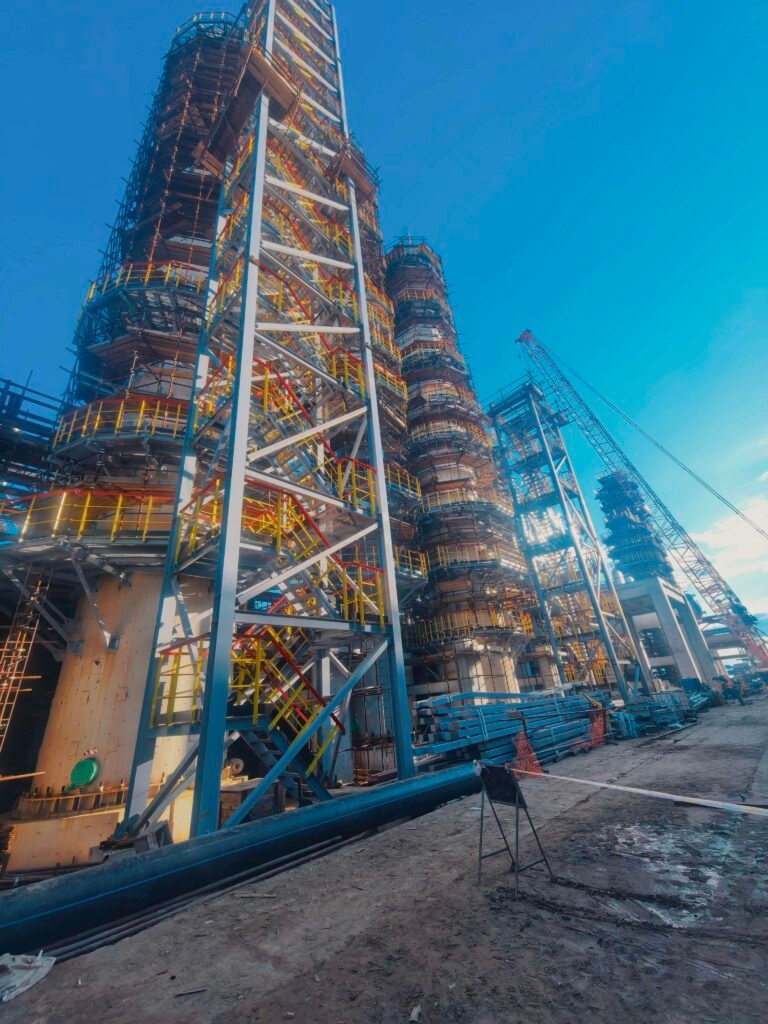
Refinery expansion projects require more than additional processing capacity. They often involve new pressure vessels, separators, heat exchangers, process towers, storage tanks, and auxiliary equipment that must fit existing units, utilities, safety requirements, inspection plans, and delivery schedules. For EPC contractors, engineering procurement teams, and project managers, selecting pressure vessels for refinery expansion is a […]
How to Select LPG Storage Tanks for Rail and Export Terminals?

Recent propane and butane logistics news shows that LPG infrastructure is still expanding around rail terminals, export routes, and regional supply hubs. For EPC contractors, engineering buyers, and project managers, this creates a practical procurement question: how should LPG storage tanks be selected for rail loading terminals, propane-butane supply projects, and export-oriented facilities? LPG storage […]
How to Select LPG Storage Tanks for EPC Projects

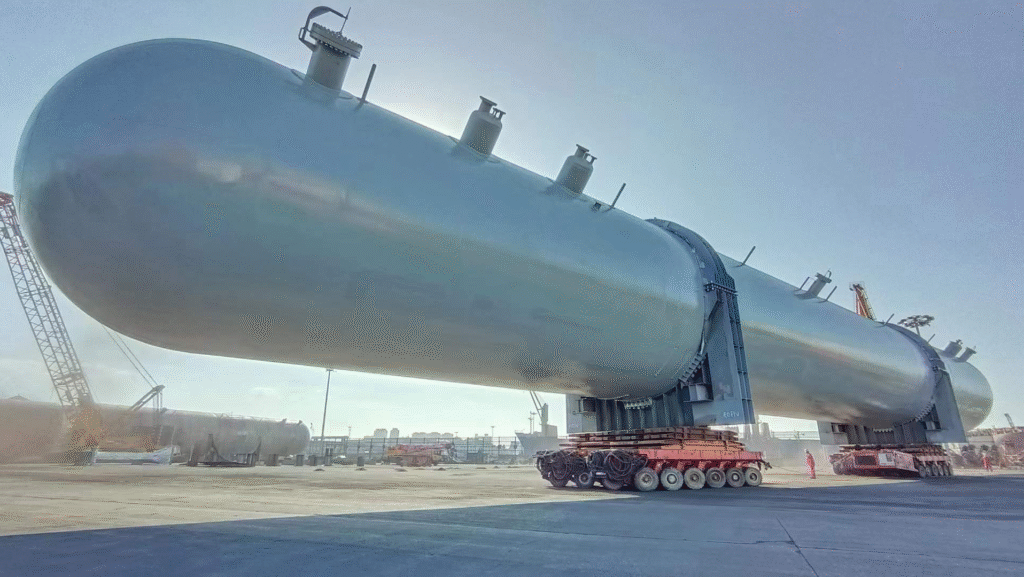
Selecting LPG storage tanks for propane and butane projects is a procurement decision that affects safety, layout, inspection, delivery, and long-term operation. EPC contractors, engineering managers, and industrial buyers need more than a tank price. They need to confirm design data, material requirements, nozzle arrangement, welding quality, testing scope, coating, documentation, and transport feasibility before […]
Custom Pressure Vessels for Industrial Natural Gas Demand Growth

Industrial natural gas demand is expected to remain strong as chemical plants, fertilizer producers, methanol units, hydrogen facilities, refineries, and other energy-intensive industries expand or upgrade capacity. For EPC contractors, engineering buyers, and project managers, this creates a practical equipment question: how should custom pressure vessels be specified for natural gas processing, industrial fuel systems, […]
Custom LPG Pressure Vessels for Propane & Butane Storage

Selecting custom LPG pressure vessels for propane and butane storage projects is a technical procurement decision, not just a tank purchase. EPC contractors, engineering buyers, and project managers need vessels that match the storage medium, design pressure, site layout, inspection plan, safety requirements, and delivery route. For LPG terminals, refineries, petrochemical plants, gas processing units, […]
CCUS Pressure Vessels and Heat Exchangers: Equipment Guide for Carbon Capture Projects

A B2B guide to pressure vessels, scrubber towers, separators, heat exchangers, materials, corrosion, inspection, and procurement for CCUS carbon capture projects.
ASME Section VIII Div. 1 vs Div. 2: How to Choose the Right Code for Pressure Vessels, Reactors, and Heat Exchangers

A practical engineering and procurement guide to choosing between ASME Section VIII Division 1 and Division 2 for custom pressure vessels, reactors, heat exchangers, storage tanks, and process columns.
What Is the Lead Time for Manufacturing and Delivering the Pressure Tank?

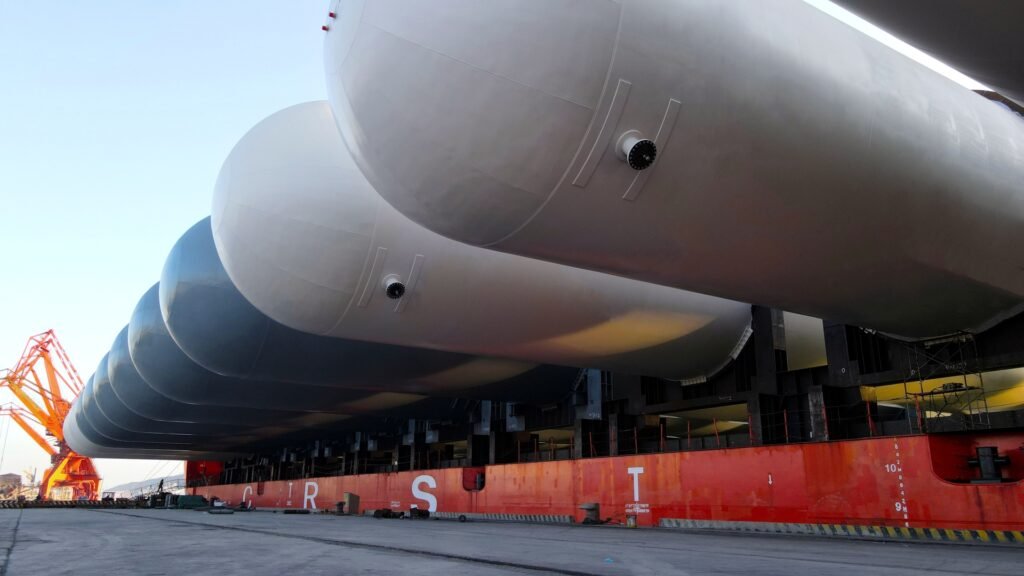
Delays in receiving a pressure tank can disrupt entire project timelines, increase costs, and create operational bottlenecks. Many buyers underestimate how long manufacturing and delivery actually take, assuming quick turnaround times without considering design complexity, material sourcing, and logistics challenges. This often leads to unrealistic expectations and project delays. The solution is to understand the […]