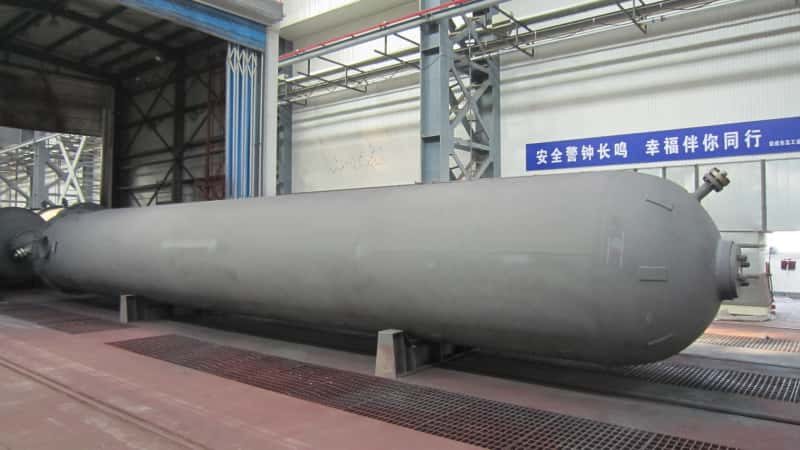

Green ammonia is becoming an important topic in energy transition, fertilizer production, hydrogen transport, and low-carbon chemical manufacturing. While renewable electricity and green hydrogen receive much of the attention, the industrial equipment behind ammonia synthesis remains critical. High-pressure reactors, ammonia synthesis towers, heat exchangers, separators, and pressure vessels must be designed for reliable operation under demanding process conditions.
For plant owners, EPC companies, and industrial buyers, green ammonia equipment is not a commodity purchase. The process involves high pressure, elevated temperature, catalyst systems, heat management, pressure containment, and strict documentation. This guide explains how to evaluate pressure equipment for green ammonia synthesis projects.
Why Green Ammonia Is Creating Equipment Demand
Green ammonia is produced using hydrogen generated from renewable electricity and nitrogen from air separation. The synthesis loop still requires robust process equipment similar to conventional ammonia plants, but project owners may place stronger emphasis on efficiency, modularity, emissions reduction, and long-term reliability.
Because ammonia synthesis is highly dependent on pressure, temperature, catalyst performance, and heat recovery, equipment design directly affects plant efficiency and uptime.
Main Equipment in an Ammonia Synthesis System
| Equipment | Function | Key procurement concern |
|---|---|---|
| Ammonia synthesis tower | Reacts nitrogen and hydrogen over catalyst | High pressure, catalyst internals, heat management |
| Heat exchanger | Preheats feed gas and recovers reaction heat | Thermal duty, pressure drop, material, cleanability |
| Separator | Separates ammonia from unreacted gas | Pressure rating, phase separation, demister design |
| Pressure vessel | Buffers gas and process streams | ASME code, material, inspection, safety margin |
| Process tower or column | Supports purification or recovery steps | Internals, corrosion, access, documentation |
Ammonia Synthesis Tower Design Considerations
The synthesis tower is one of the most important pressure vessels in the plant. It must contain high-pressure gas, support catalyst beds or internals, and manage heat generated by the reaction. Design must consider shell thickness, nozzle loads, thermal gradients, internals, catalyst loading, inspection access, and long-term fatigue risk.
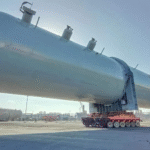
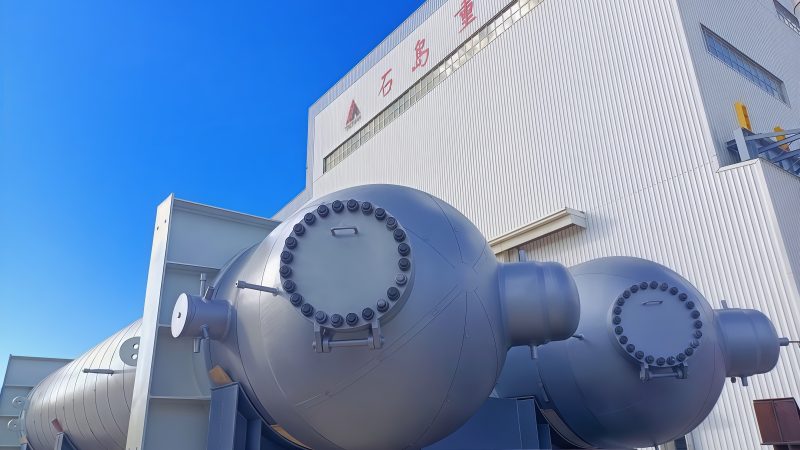
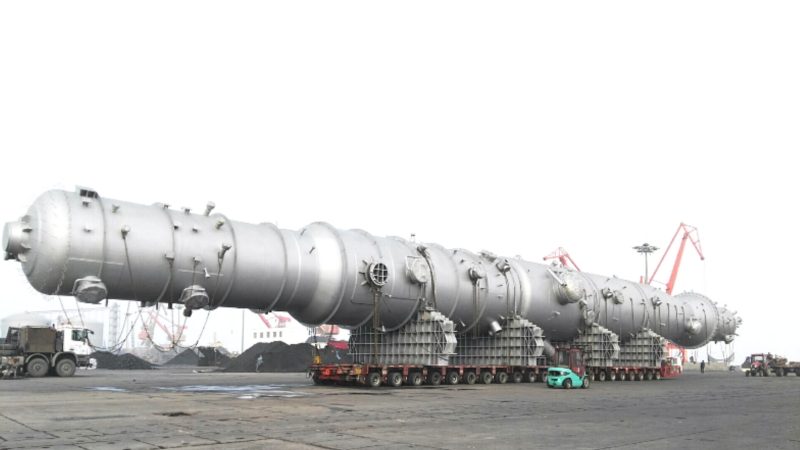
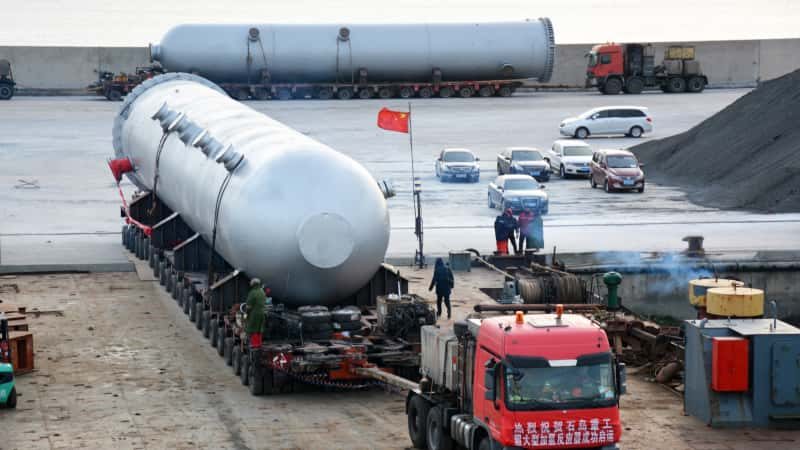
WSHI’s related product scope includes ammonia synthesis tower and column equipment and large custom pressure vessels for chemical and fertilizer projects.
Heat Management and Heat Exchangers
Ammonia synthesis is strongly connected to heat management. Feed gas may need preheating, reaction heat may be recovered, and process streams must be cooled or condensed at the correct stage. Poor heat management can reduce conversion, increase energy consumption, or create unstable operation.
Industrial heat exchangers used in ammonia service must be evaluated for pressure, temperature, material compatibility, pressure drop, fouling, and inspection. In many cases, shell and tube heat exchangers are preferred because they are robust and maintainable.
Material Selection and Hydrogen-Ammonia Service
Material selection should consider hydrogen-containing gas, ammonia, pressure, temperature, corrosion, and project code requirements. Depending on the service, carbon steel, low-alloy steel, stainless steel, or special materials may be required. Hydrogen service may also require attention to toughness, hardness, heat treatment, and welding quality.
Buyers should define design pressure, design temperature, gas composition, expected cycles, corrosion allowance, impact testing, and NDE requirements before requesting quotations.
Codes, Inspection, and Documentation
Green ammonia pressure equipment is typically specified according to recognized pressure vessel codes and project standards. Buyers may request ASME Section VIII, third-party inspection, material traceability, welding documentation, NDE reports, heat treatment records, and hydrostatic testing.
For reactor procurement, the same discipline applies as described in key specifications for purchasing reactors. For heat exchanger procurement, see heat exchanger standards and certifications.
Procurement Data Checklist
- Process function and equipment type
- Design pressure and operating pressure
- Design temperature and operating temperature
- Gas composition, ammonia concentration, and impurities
- Material requirement and corrosion allowance
- Catalyst internals, trays, supports, or special components
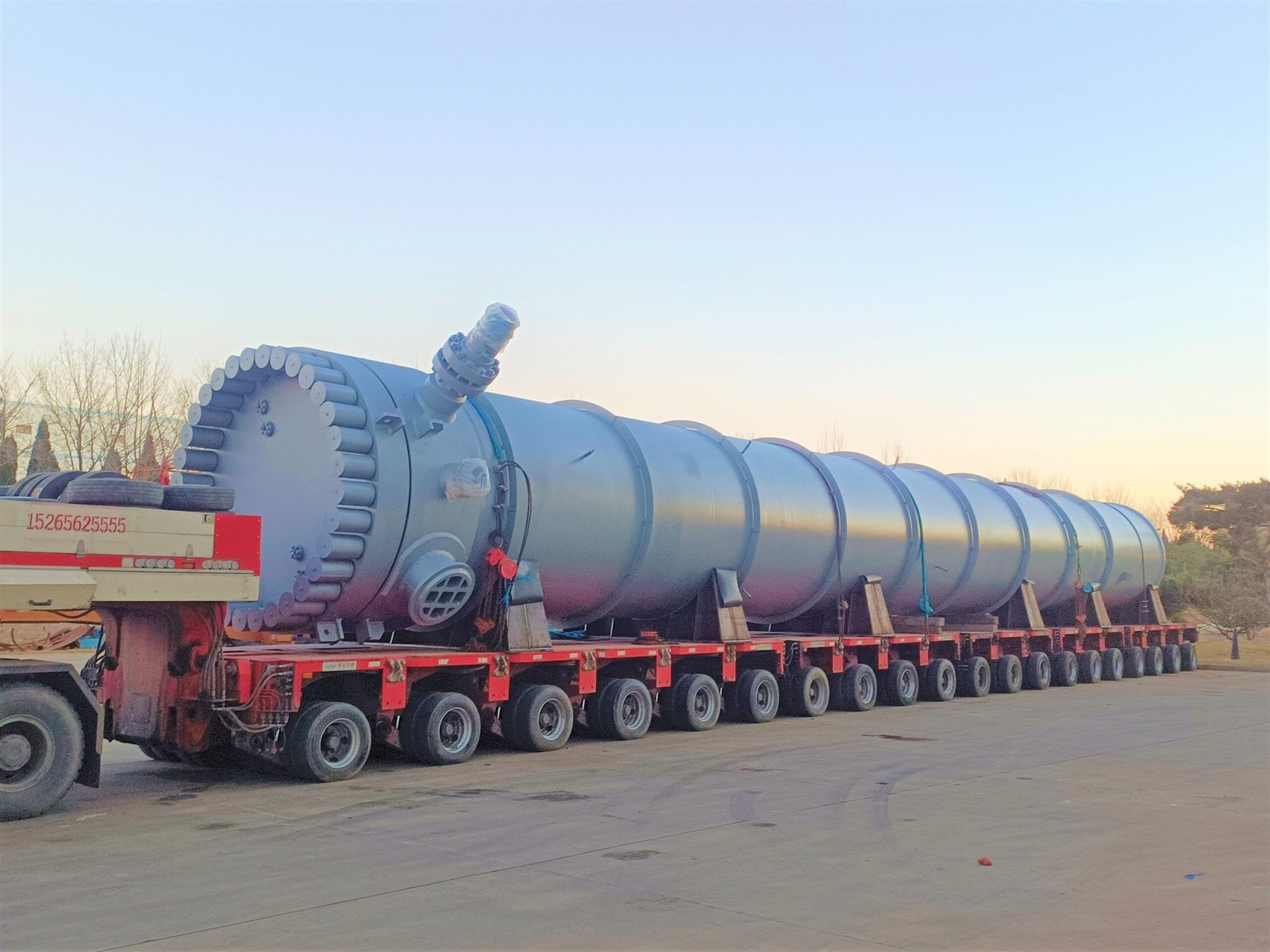
- Nozzle list, manways, supports, and lifting requirements
- NDE, heat treatment, hydrostatic test, and documentation scope
- Transport limits and site installation conditions
Common Mistakes to Avoid
- Focusing on hydrogen supply while under-specifying synthesis equipment
- Ignoring heat management in the synthesis loop
- Comparing pressure vessels without checking NDE and documentation
- Leaving catalyst internals or inspection access undefined
- Choosing materials without reviewing hydrogen and ammonia service conditions
Conclusion
Green ammonia projects depend on reliable pressure equipment. Ammonia synthesis towers, heat exchangers, separators, and pressure vessels must be specified with full attention to pressure, temperature, materials, heat management, inspection, and documentation.
Need custom pressure equipment for a green ammonia or fertilizer project? WSHI manufactures ammonia synthesis towers, reactors, heat exchangers, separators, and other industrial pressure vessels. Contact us with your process data and project standard to discuss a suitable equipment solution.