
Direct lithium extraction projects often focus attention on the core extraction technology: adsorption columns, ion exchange media, solvent extraction systems, membranes, or electrochemical cells. In real EPC execution, however, the pretreatment section often decides whether the plant can operate reliably. Poor pretreatment can blind filters, foul membranes, poison sorbents, overload impurity polishing systems, increase reagent consumption, damage pumps and valves, and make battery-grade lithium carbonate or lithium hydroxide production unstable.
Selecting pretreatment equipment for Direct Lithium Extraction and refining plants starts with brine chemistry, not with a generic equipment list. Buyers should evaluate lithium concentration, Mg/Li ratio, calcium, strontium, barium, sulfate, silica, boron, iron, manganese, chloride, total dissolved solids, pH, temperature, suspended solids, organics, dissolved gases, scaling tendency, corrosion risk, reinjection limits, and final product specifications before choosing filters, clarifiers, softening systems, degassers, ion exchange, nanofiltration, heat exchangers, tanks, pumps, controls, and sludge-handling equipment.
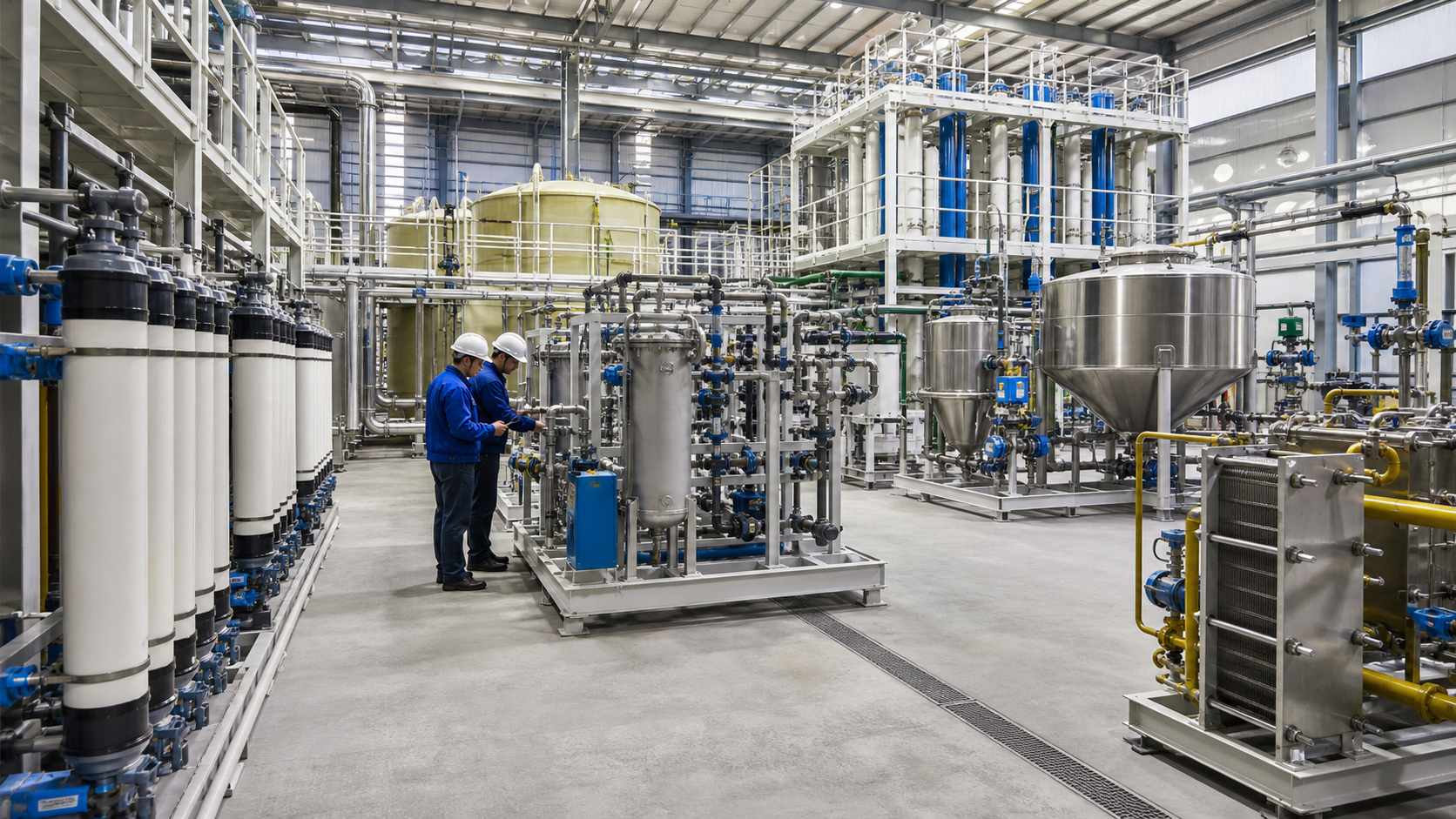
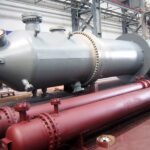
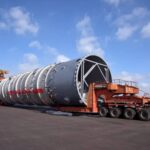
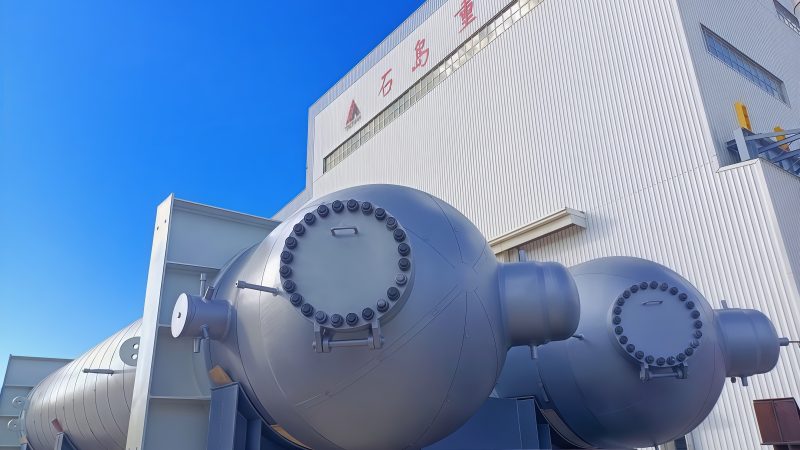
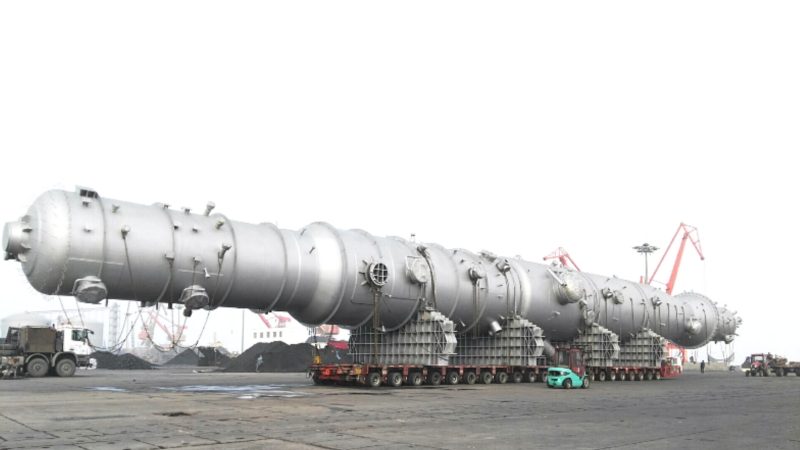
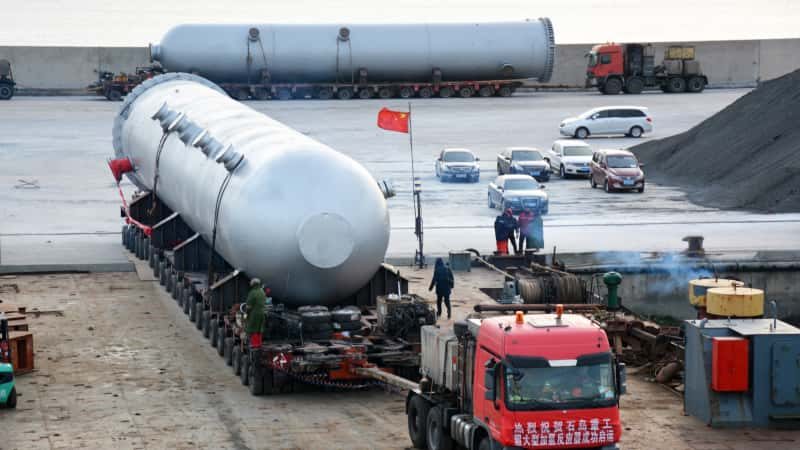
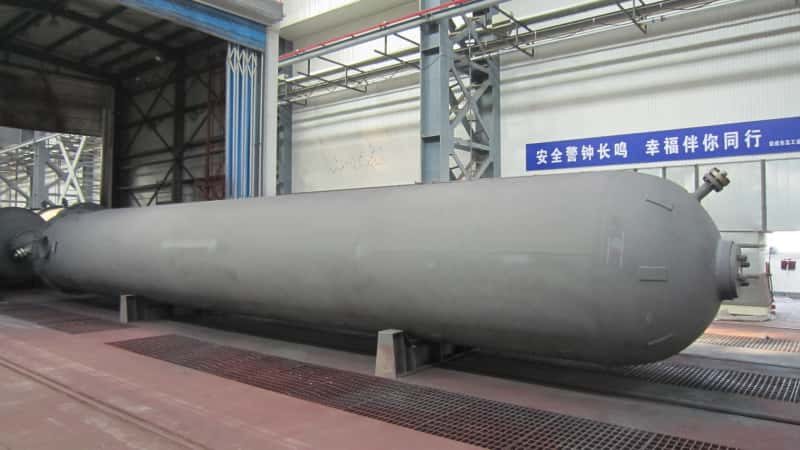
For equipment category planning, buyers can evaluate custom pressure vessels, industrial heat exchangers, industrial storage tanks, and process towers and columns as part of the broader DLE and lithium refining equipment package.
Pretreatment equipment should be selected from actual brine chemistry, not from lithium concentration alone.True
Lithium concentration affects production rate, but scaling, fouling, corrosion, competing ions, gases, organics, and impurity limits usually determine whether DLE and refining equipment can operate reliably.
A high-recovery DLE skid can compensate for poor pretreatment in commercial operation.False
Poor pretreatment can reduce sorbent life, foul membranes, increase pressure drop, contaminate eluate, overload polishing systems, and increase downtime even when the extraction technology works well in clean tests.
Why Pretreatment Is Critical in DLE Projects
Direct lithium extraction is not a single standard process. The International Lithium Association’s DLE introduction describes DLE as a family of technologies that can include adsorption, ion exchange, solvent extraction, membranes, and electrochemical approaches. Each technology has a different tolerance for solids, oil, silica, calcium, magnesium, boron, iron, chloride, temperature, and pH. This is why the pretreatment train must be matched to the selected extraction method and the actual brine source.
A DLE unit generally needs a stable feed window. The pretreatment system helps create that window by controlling suspended solids, scale-forming ions, silica, oil and organics, gases, oxidation state, temperature, pH, and corrosive conditions. Without that front-end control, the plant may see unstable lithium recovery, short media life, frequent clean-in-place cycles, poor eluate quality, or downstream refining problems.
OSTI research on lithium recovery from geothermal brines shows why this matters. Geothermal, salar, and produced-water brines can vary widely in lithium concentration and impurity profile. A plant designed for one brine may not work reliably on another brine without different pretreatment, materials, controls, and waste-handling systems.
| Pretreatment objective | Why it matters | Typical equipment considered |
|---|---|---|
| Remove suspended solids | Protects columns, membranes, valves, pumps, and distributors | Strainers, hydrocyclones, clarifiers, media filters, cartridge filters, ceramic filters |
| Control scaling | Reduces gypsum, carbonate, silica, barite, and mixed mineral deposits | pH adjustment, softening, antiscalant dosing, seeded precipitation, clarifiers |
| Manage silica | Prevents colloidal silica fouling, adsorbent masking, and heat-transfer loss | Cooling control, silica reactors, flocculation, clarification, filtration |
| Remove oil and organics | Protects membranes, resins, sorbents, and polishing media | Oil-water separators, coalescers, organoclay, activated carbon, DAF systems |
| Control gases and redox | Reduces corrosion, odor, oxidation fouling, and unsafe gas release | Degassers, scrubbers, closed tanks, nitrogen blanketing, ORP control |
| Stabilize feed to DLE | Improves extraction repeatability, media life, and automation stability | Equalization tanks, surge vessels, heat exchangers, dosing skids, online instruments |
Start with a Complete Brine Fingerprint
The first step is to build a complete brine fingerprint. A simple assay showing lithium, sodium, magnesium, and calcium is not enough for commercial equipment selection. Buyers should request full brine chemistry, operating range, seasonal variation, well-to-well variation, suspended solids, particle size, oil and grease, dissolved gases, pH, alkalinity, density, viscosity, temperature, pressure, and expected changes after cooling, flashing, oxidation, or chemical addition.
For geothermal brine, the test program should include silica polymerization tendency, gas release, pressure drop behavior, corrosion risk, heat recovery impact, and reinjection compatibility. For salar brine, it should include magnesium, boron, sulfate, carbonate alkalinity, evaporation variability, and water balance. For oilfield or produced-water brine, it should include hydrocarbons, production chemicals, sulfides, iron sulfide solids, bacteria, and naturally occurring radioactive material where applicable. NREL’s techno-economic analysis of lithium extraction from geothermal brines is a useful reference for connecting brine properties, extraction assumptions, and project economics.
| Brine variable | Equipment impact | Buyer action |
|---|---|---|
| Lithium concentration | Sets brine flow rate, column size, eluate volume, and refining load | Size equipment from mass balance, not headline lithium grade |
| Mg/Li ratio | Affects selectivity, impurity carryover, and polishing demand | Confirm media selectivity and magnesium control strategy |
| Calcium, strontium, barium | Creates carbonate, sulfate, barite, and celestite scaling risk | Evaluate softening, sulfate control, antiscalant, and solids removal |
| Silica | Can foul heat exchangers, filters, sorbents, and membranes | Run cooling, pH, residence time, and filtration tests |
| Boron | Can pass into final product and threaten battery-grade limits | Plan boron-selective polishing or refining controls |
| Chloride and TDS | Controls corrosion, density, viscosity, seal selection, and pump power | Select materials by service zone and confirm compatibility testing |
| Iron and manganese | Can oxidize, form sludge, color product, and foul media | Use redox control, precipitation, clarification, and filtration where needed |
| Oil and organics | Fouls membranes, resin, adsorbents, and activated surfaces | Add oil-water separation, carbon, organoclay, or guard beds |
Select Solids Removal Equipment by Loading and Particle Behavior
Solids removal is usually the first pretreatment block. The correct system depends on particle size, solids loading, density, settling behavior, colloidal content, oil content, and the sensitivity of the downstream DLE equipment. A cartridge filter alone may work for clean brine polishing, but it is rarely a complete answer for brines that carry silica, scale particles, corrosion products, clay, iron sulfide, or oilfield solids.
A staged system is often more reliable than one fine filter. Coarse strainers can protect pumps. Hydrocyclones can remove heavier solids. Clarifiers or lamella settlers can handle precipitated solids. Media filters or automatic backwash filters can polish higher flow rates. Cartridge filters can protect final columns or membranes. Ceramic membranes may be considered where fine suspended solids and chemical resistance are important.
| Solids-removal equipment | Where it may fit | Selection caution |
|---|---|---|
| Basket or Y strainer | Pump and valve protection | Not a fine filtration solution; needs cleaning access |
| Hydrocyclone | Heavier solids or sand-like particles | Less effective for colloids or low-density particles |
| Clarifier | Chemical precipitation, softening, silica removal, sludge settling | Requires residence time, sludge handling, and pilot settling data |
| Media filter | General polishing before columns or membranes | Backwash water and media compatibility must be planned |
| Cartridge filter | Final protection for sensitive equipment | Operating cost can be high if used as the main solids-removal step |
| Ceramic membrane | Fine filtration in chemically difficult brines | Needs fouling tests, cleaning strategy, and pressure-drop review |
Plan Scaling and Softening Before the DLE Unit
Scaling control is one of the most important pretreatment decisions. Calcium, magnesium, strontium, barium, sulfate, carbonate, bicarbonate, and silica can form deposits when temperature, pressure, pH, or concentration changes. These deposits may appear in piping, heat exchangers, valves, DLE columns, membranes, evaporators, crystallizers, and reinjection systems.
The pretreatment train may include acid dosing, caustic dosing, lime softening, carbonate precipitation, sulfate control, antiscalant injection, seeded precipitation, clarifiers, filters, and clean-in-place connections. The design should avoid solving one problem while creating another. For example, adding carbonate can remove calcium but may also create sludge volume, lithium losses, and downstream sodium load. Adding acid can control carbonate scale but may increase corrosion risk and change silica behavior.
Scaling control should be tested under realistic temperature, pH, residence time, and concentration conditions.True
Brine that looks stable in a sample bottle may form silica, carbonate, sulfate, or mixed scale after cooling, flashing, pH adjustment, concentration, or reagent addition.
Silica Pretreatment Needs Pilot Testing
Silica is often the hardest impurity to manage because its behavior depends on temperature, pH, residence time, supersaturation, metal ions, and mixing history. Geothermal brine may hold silica at reservoir conditions and then form colloidal or amorphous silica after cooling or pressure change. Salar brine can form gelatinous silica during pH adjustment. Produced water can bring silica together with oil, iron sulfide, and corrosion products. A Nature Reviews Earth & Environment review of DLE environmental impacts also highlights how process choices can affect water, energy, chemical use, and waste streams.
Equipment options may include controlled cooling, pH adjustment, silica precipitation reactors, flocculation tanks, clarifiers, media filters, ceramic membranes, cartridge filters, and periodic cleaning systems. The goal is not only to remove silica, but to create a predictable, filterable solid while limiting lithium loss, reagent consumption, sludge volume, and reinjection risk.
Remove Oil, Organics, and Gases When Needed
Oilfield and produced-water brines may contain oil droplets, dissolved organics, surfactants, corrosion inhibitors, scale inhibitors, sulfide, carbon dioxide, iron sulfide solids, and variable well chemistry. These impurities can foul membranes, coat resins, poison sorbents, create odor and safety risks, and complicate waste handling. In these cases, pretreatment may require three-phase separation, coalescers, hydrocyclones, walnut-shell filters, organoclay, activated carbon, degassing, sulfide control, and robust sampling.
Geothermal brines may also require gas management. Carbon dioxide, hydrogen sulfide, oxygen ingress, and flashing can change pH, corrosion, redox conditions, and scale formation. Closed tanks, degassers, scrubbers, nitrogen blanketing, ORP monitoring, and corrosion-resistant materials may be required depending on the brine and process design.
Choose Materials by Service Zone
One material rarely fits the whole plant. Raw hot brine, treated brine, acid elution, caustic precipitation, lithium chloride concentration, carbonate precipitation, product washing, and wastewater handling can each require different materials. High chloride, high temperature, low pH, oxidants, oxygen ingress, solids, and crevices can sharply increase corrosion risk.
Possible materials include carbon steel with lining, rubber-lined steel, FRP, HDPE, PP, PVDF, PTFE-lined steel, duplex stainless steel, super duplex stainless steel, titanium, nickel alloys, and special elastomers. Final material selection should be confirmed by corrosion review, pilot exposure data, cleaning-chemical compatibility, and project specifications.
| Plant zone | Main exposure | Material selection concern |
|---|---|---|
| Raw geothermal brine | Hot chloride brine, gases, silica, metals, pressure change | Pitting, crevice corrosion, scaling, oxygen ingress |
| Salar brine pretreatment | High TDS, magnesium, calcium, sulfate, boron | UV exposure, temperature, chloride, reagent compatibility |
| Acid elution or regeneration | Acidified lithium solution or regenerant | Acid plus chloride can be more aggressive than brine alone |
| Caustic precipitation | High pH, Mg/Ca sludge, abrasive solids | Slurry abrasion, plugging, cleaning access |
| Lithium chloride concentration | Concentrated chloride solution and heat | Corrosion and scale risk increase with concentration |
| Product washing and drying | Low impurity tolerance and wet lithium solids | Metal pickup, dead zones, cleanability, product contamination |
Integrate Pretreatment with Heat Exchangers, Tanks, and Controls
Pretreatment equipment does not operate alone. It usually connects with heat exchangers, surge tanks, equalization vessels, chemical dosing systems, pumps, online instruments, wastewater systems, and DLE columns. Heat exchangers may be needed to manage brine temperature before extraction or to recover heat from geothermal streams. Tanks and vessels may be needed for pH adjustment, precipitation, retention time, elution, regeneration, and wastewater neutralization. For battery-material projects, the U.S. DOE Battery Critical Materials Workshop Report provides broader supply-chain context for critical materials production and processing needs.
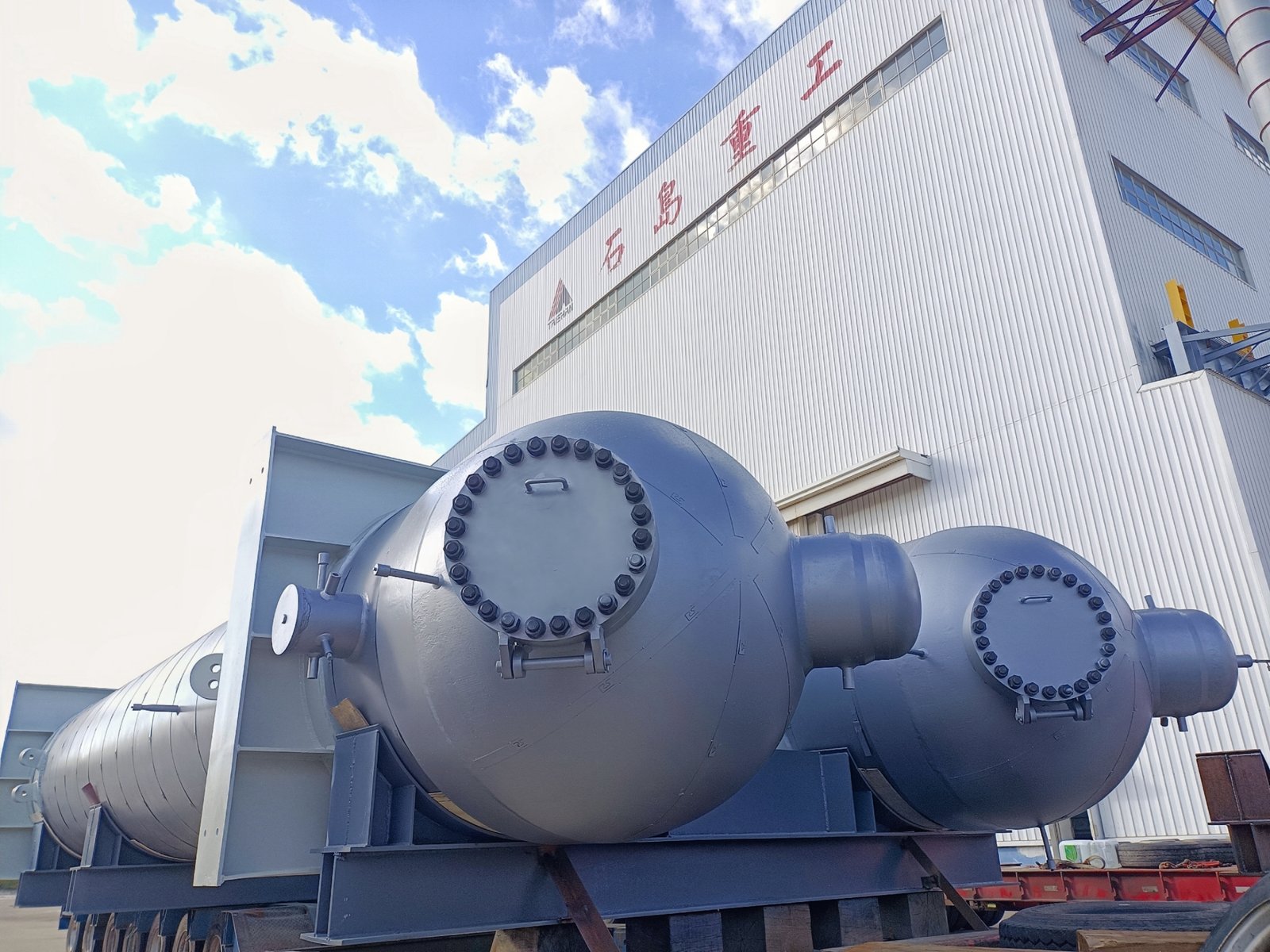
For industrial projects, buyers should define process duties, temperature ranges, pressure ratings, corrosion allowances, nozzle orientation, maintenance access, inspection requirements, coating or lining systems, and delivery terms before fabrication. A large-scale pressure vessel manufacturer can support manufacturability review for custom tanks, columns, vessels, heat exchangers, and skid-related equipment.
Define Controls and Online Measurements Early
Pretreatment stability depends on process control. Flow, pH, ORP, turbidity, suspended solids, conductivity, temperature, pressure drop, density, hardness, silica, boron, and lithium concentration may all influence equipment performance. Manual sampling is important, but it is not enough for fast-moving operational decisions such as filter backwash, column protection, membrane cleaning, reagent dosing, and impurity breakthrough response.
Automation should be planned with the mechanical equipment. Chemical dosing skids need control valves, metering pumps, static mixers, analyzers, and interlocks. Filters need differential pressure monitoring and backwash logic. DLE columns need sequence control and feed-quality permissives. Crystallizers and polishers need quality traceability. The control system should connect pretreatment performance to lithium recovery, refining yield, and final product quality.
What Buyers Should Prepare Before Requesting a Quotation
Before requesting a quotation for DLE pretreatment equipment, buyers should prepare:
- Complete brine chemistry and expected variation
- Brine source type, such as geothermal, salar, oilfield, or produced water
- Flow rate, temperature, pressure, pH, density, and viscosity
- Suspended solids, particle size, oil and grease, and organics data
- Scaling study or saturation index for silica, carbonate, sulfate, and mixed salts
- DLE technology type and feed-quality limits
- Target product, such as lithium chloride, lithium carbonate, or lithium hydroxide
- Impurity limits for battery-grade or customer specification
- Material requirements and corrosion allowance
- Cleaning, backwash, regeneration, and waste-handling requirements
- Instrumentation and automation requirements
- Applicable design code and project standards
- Inspection, testing, coating, lining, and documentation requirements
- Delivery destination, transport limits, and site installation constraints
Common Buyer Mistakes
| Mistake | Why it creates risk | Better approach |
|---|---|---|
| Selecting equipment from lithium concentration only | Ignores scaling, corrosion, solids, gases, and competing ions | Use a complete brine fingerprint and pilot data |
| Using one fine filter as the whole pretreatment system | Creates rapid plugging and high cartridge cost | Use staged solids removal based on loading and particle behavior |
| Ignoring silica kinetics | Silica can appear after cooling, pH change, or residence time | Test silica behavior under realistic process conditions |
| Choosing generic materials | Chloride, acid, temperature, and oxygen can cause corrosion failure | Create a materials schedule by plant zone |
| Separating pretreatment from refining design | Impurities can pass into eluate and overload product polishing | Connect pretreatment limits to final product specifications |
| Adding automation late | Sampling, dosing, filter cleaning, and column protection become unstable | Define control philosophy during equipment selection |
FAQ
What pretreatment equipment is used before Direct Lithium Extraction?
Common pretreatment equipment may include strainers, hydrocyclones, clarifiers, media filters, cartridge filters, ceramic filters, softening systems, silica removal systems, pH adjustment tanks, chemical dosing skids, degassers, oil-water separators, activated carbon, heat exchangers, surge tanks, and online analyzers. The final scope depends on brine chemistry and DLE technology.
Why does brine chemistry matter so much?
Brine chemistry controls scaling, corrosion, selectivity, media life, membrane fouling, reagent demand, impurity polishing, waste generation, and final lithium product quality. Lithium concentration alone does not define the correct equipment train.
How should silica be handled in DLE pretreatment?
Silica handling should be based on bench and pilot testing. Equipment may include controlled cooling, pH adjustment, precipitation reactors, flocculation, clarification, media filtration, ceramic filtration, and cartridge polishing. The goal is predictable solids removal without excessive lithium loss or reinjection risk.
What materials are used for lithium brine pretreatment equipment?
Materials may include lined carbon steel, rubber-lined steel, FRP, HDPE, PP, PVDF, PTFE-lined steel, duplex stainless steel, super duplex stainless steel, titanium, nickel alloys, and special elastomers. The correct choice depends on chloride, temperature, pH, solids, oxygen, acid, caustic, and cleaning chemicals.
Can pretreatment equipment be modular?
Yes. Modular pretreatment skids can be useful for pilot, demonstration, and phased commercial plants. Commercial projects still need integrated engineering for hydraulic balance, controls, chemical storage, waste handling, maintenance access, and scale-up.
How does pretreatment affect final battery-grade lithium product?
Pretreatment affects final product by controlling the impurities that reach DLE eluate and refining equipment. Poor pretreatment can allow calcium, magnesium, boron, silica, iron, manganese, sodium, potassium, sulfate, or organics to enter polishing and crystallization stages, increasing the risk of off-spec lithium carbonate or lithium hydroxide. Analytical work on trace impurities in lithium carbonate shows why ppm-level impurity control matters for lithium salt qualification.
Conclusion
Pretreatment equipment for Direct Lithium Extraction and refining plants should be selected by chemistry, proven by testing, and integrated with the full brine-to-product route. The correct train may be simple, such as screening, media filtration, cartridge filtration, and pH control, or advanced, with degassing, silica precipitation, softening, nanofiltration, ion exchange, organics removal, corrosion control, and sludge handling.
If you are sourcing pretreatment vessels, filters, tanks, heat exchangers, process columns, storage tanks, or other custom equipment for Direct Lithium Extraction, lithium refining, geothermal brine, produced-water, chemical, or EPC projects, you can discuss your project requirements with an engineering and manufacturing team. Sharing brine chemistry, process data, material requirements, inspection needs, and delivery terms will support technical communication and fabrication evaluation.