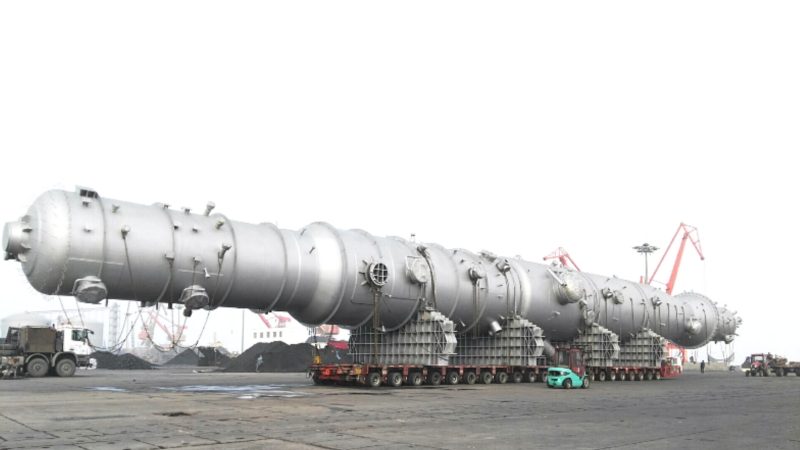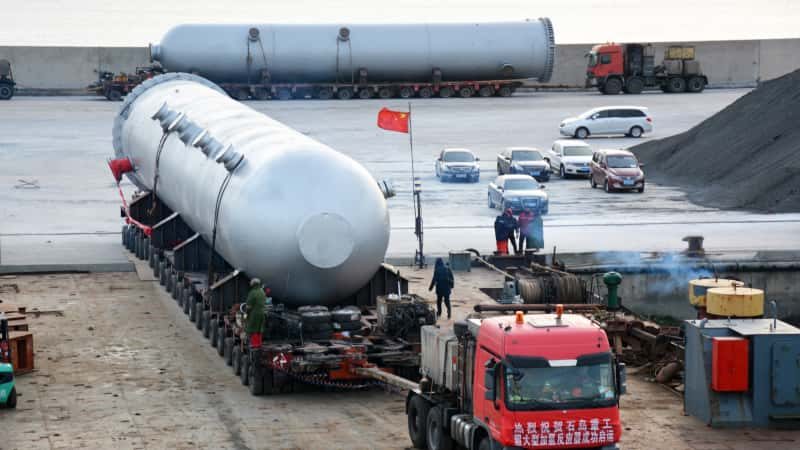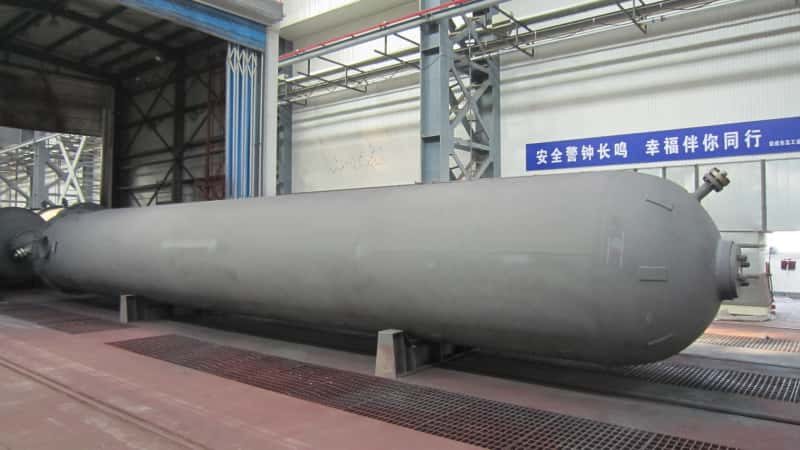

Sour water stripping units are used in refineries, gas plants, petrochemical facilities, cokers, hydrotreaters, hydrocrackers, FCC units, amine systems, and sulfur recovery areas to remove hydrogen sulfide, ammonia, and other volatile contaminants from sour water. For EPC buyers, the equipment package is more than a single stripper tower. It is a coordinated system of feed handling, separation, heat recovery, stripping, overhead gas handling, cooling, controls, corrosion protection, and wastewater integration.
Selecting the wrong equipment can create serious operating problems: poor H2S or ammonia removal, high steam consumption, column fouling, reboiler plugging, overhead corrosion, off-gas instability, odor release, or wastewater treatment upsets. A reliable sour water stripping unit should therefore be specified from the feed sources outward: sour water composition, flow variability, oil and solids loading, H2S and NH3 concentration, pH, chlorides, cyanides, phenols, downstream water destination, and off-gas destination.
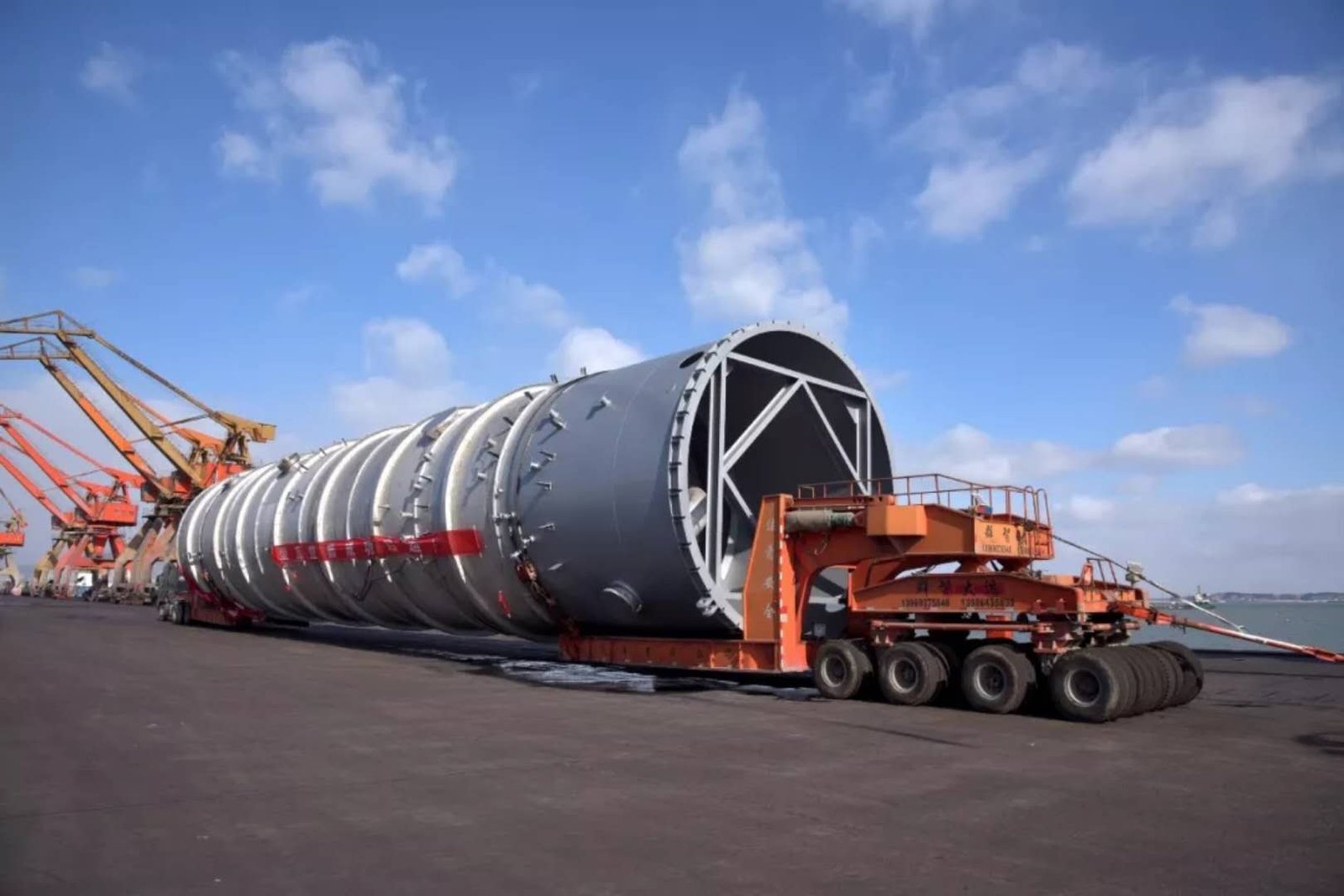
External process references from Alfa Laval, Pall, Sulzer, and Trimeric describe sour water stripping as a refinery process used to remove contaminants such as H2S and ammonia from sour water before reuse or wastewater treatment. The U.S. EPA petroleum refining effluent guidelines provide broader regulatory context for refinery wastewater streams. For equipment buyers, these references reinforce a practical point: the stripper column is the heart of the system, but reliable operation depends on the full equipment train.
The stripper column is important, but upstream oil and solids removal equipment is also core equipment in a reliable sour water stripping unit.True
Flash drums, surge tanks, filters, and coalescers reduce hydrocarbon, solids, fouling, and foaming problems before sour water reaches the column.
A sour water stripper can be selected only by column diameter and height.False
The full equipment package must account for sour water chemistry, feed variability, heat recovery, reboiler duty, overhead corrosion, off-gas destination, controls, safety, materials, and maintenance access.
What Equipment Is Used in Sour Water Stripping Units?
A typical sour water stripping unit may include sour water collection headers, a flash drum or degasser, surge tank, feed pumps, oil-water separation, filters, coalescers, feed-effluent heat exchanger, stripper column, trays or packing, reboiler or live steam injection system, overhead condenser, reflux drum, reflux pump, pumparound loop, stripped water cooler, chemical injection, off-gas routing, instrumentation, safety systems, and corrosion-resistant piping.
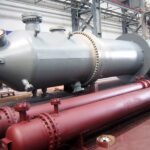
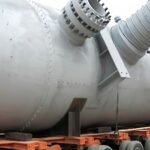
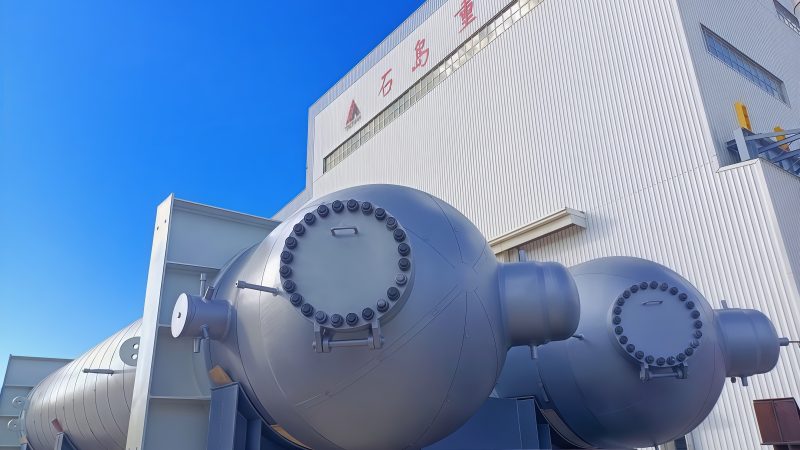
For fabricated equipment planning, EPC buyers may review process towers and columns, custom pressure vessels, industrial heat exchangers, and pressure vessels for oil and gas when building a sour water stripping equipment package.
| Equipment | Main function | Why it matters | Procurement focus |
|---|---|---|---|
| Sour water flash drum or degasser | Removes flashed gas and light hydrocarbons | Protects the stripper and stabilizes feed | Residence time, vapor routing, oil skimming, sour service materials |
| Surge or storage tank | Dampens flow and composition swings | Prevents tower upset during upstream changes | Capacity, vapor control, sludge handling, corrosion allowance |
| Filters and coalescers | Remove solids and dispersed oil | Reduces fouling, foaming, and reboiler plugging | Particle size, oil loading, differential pressure, cleanability |
| Feed-effluent heat exchanger | Recovers heat from stripped water | Reduces steam consumption | Fouling margin, cleanability, materials, pressure drop |
| Stripper column | Main vapor-liquid mass transfer vessel | Removes H2S and NH3 from sour water | Diameter, trays or packing, turndown, access, corrosion design |
| Reboiler or live steam injection | Supplies heat and stripping vapor | Controls removal efficiency and energy use | Steam duty, fouling, water balance, maintainability |
| Overhead condenser and reflux drum | Controls overhead temperature and reflux | Separates acid gas from condensed water | Corrosion, ammonium salt risk, demisting, sour gas containment |
| Off-gas system | Routes H2S/NH3 vapor to SRU, flare, WSA, or acid gas treatment | Prevents toxic release and downstream upset | Pressure control, knockout, corrosion, H2S safety |
Feed Handling and Pretreatment Equipment
Sour water may come from crude units, hydrotreaters, hydrocrackers, FCC units, cokers, amine units, sulfur recovery units, sour water drains, and other refinery systems. The flow and chemistry can vary significantly. A surge tank or feed tank helps stabilize the unit. A flash drum or degasser can remove light hydrocarbons, flashed gas, and oil before the stripper.
Filtration is often needed because solids, corrosion products, sludge, and oil can plug trays, packing, exchangers, reboilers, and control valves. Coalescers and oil-water separation equipment are especially important where hydrocarbons enter the sour water system. For related separation equipment, buyers may review industrial storage tanks and separator-type custom pressure vessels.
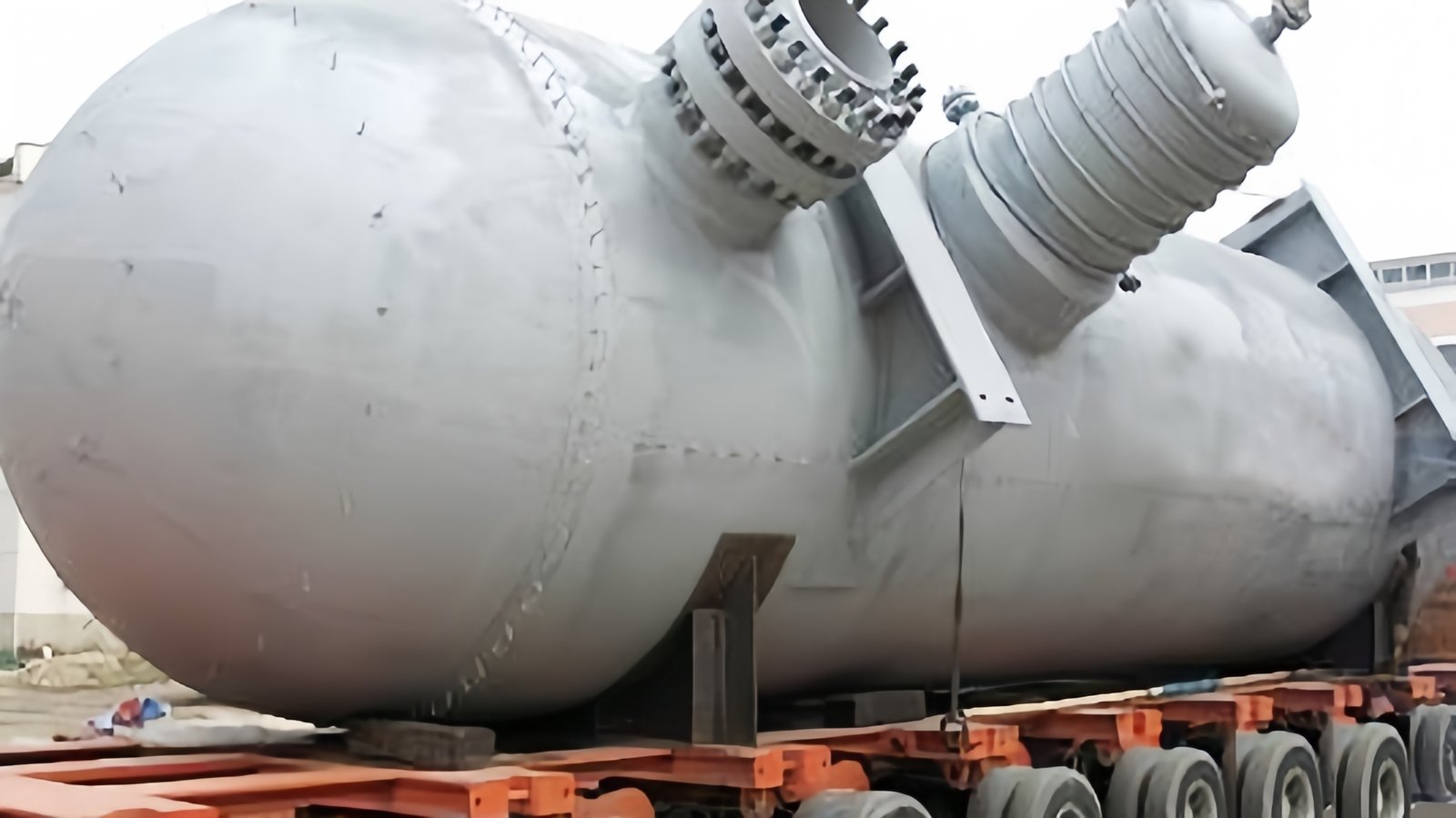
Sour Water Stripper Column and Internals
The stripper column is the main mass-transfer vessel. Sour water flows downward while steam or vapor rises upward. H2S and ammonia transfer from the liquid phase to the vapor phase and leave in the overhead stream. Stripped water leaves from the bottom and may be reused, sent to wastewater treatment, or routed to another process according to site requirements.
Column internals may include valve trays, sieve trays, dual-flow trays, structured packing, random packing, distributors, draw trays, chimney trays, demisters, and feed inlet devices. The choice depends on fouling risk, hydraulic load, turndown, stripping duty, access requirements, and tower operating philosophy. Dirty refinery service often requires internals that are tolerant of fouling and easy to inspect or clean.
Reboilers, Live Steam, and Heat Recovery
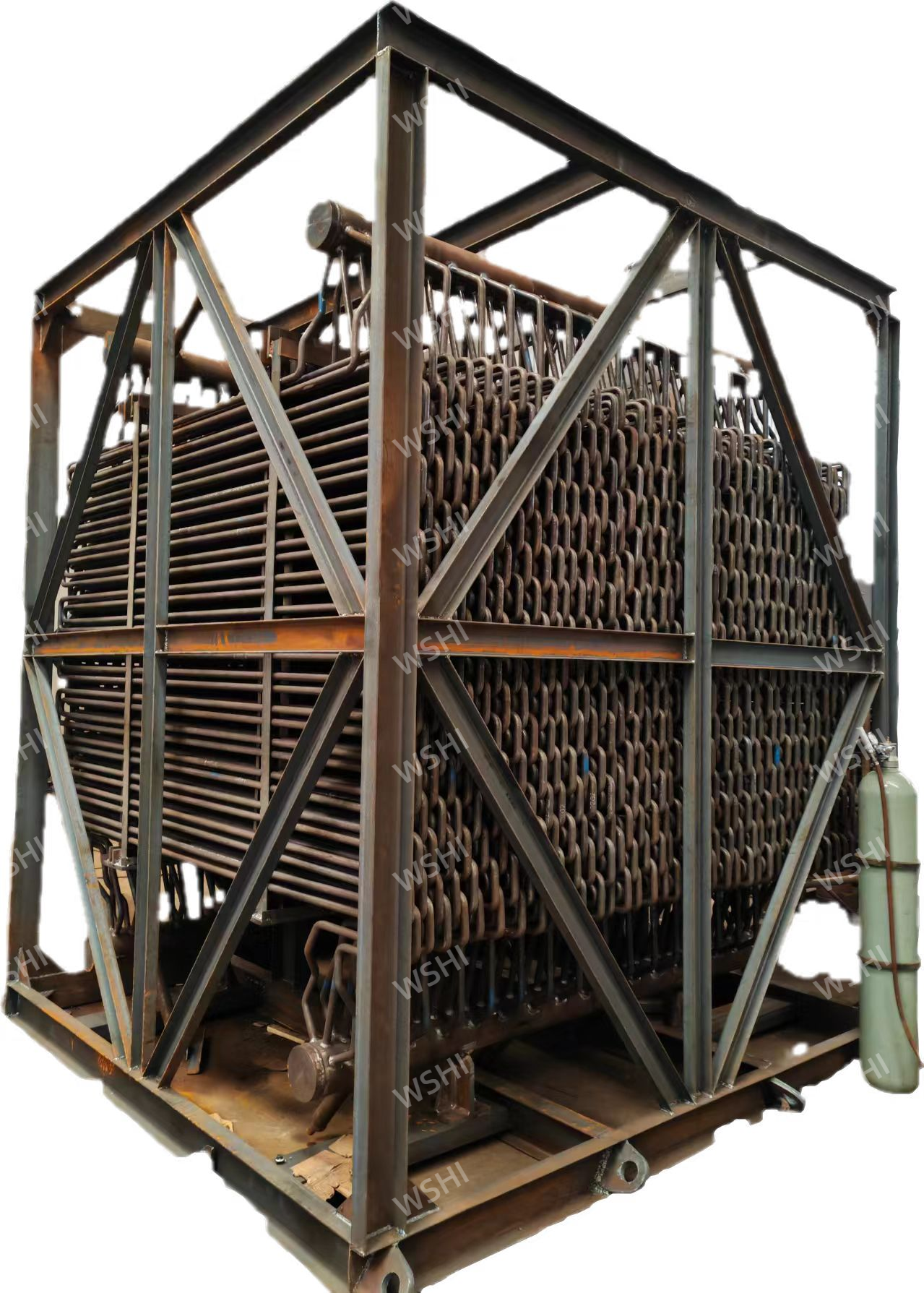
Sour water stripping depends on heat. A feed-effluent exchanger can recover heat from stripped water to preheat incoming sour water. A reboiler supplies the heat needed to generate stripping vapor. Some units use live steam injection instead of, or in addition to, a reboiler.
For EPC buyers, heat transfer equipment should not be selected only by duty. Sour water can contain oil, salts, solids, ammonia, H2S, chlorides, and other contaminants that affect fouling and corrosion. A robust shell and tube heat exchanger may be selected where mechanical cleanability and conservative refinery standards are important.
| Heating option | Advantages | Limitations | Best-fit situation |
|---|---|---|---|
| Kettle reboiler | Robust and familiar refinery equipment | Larger inventory and cleaning needs | Stable reboiled operation with accessible maintenance |
| Thermosiphon reboiler | Efficient and relatively compact | Sensitive to piping, circulation, and fouling | Cleaner service with strong layout control |
| Forced-circulation reboiler | Better flow control in fouling service | Requires circulation pump and more controls | Difficult hydraulic or fouling-prone service |
| Direct steam injection | No reboiler tubes to foul and lower capital complexity | Adds water and increases downstream flow | Smaller units, revamps, startup support, or high-fouling cases |
| Reboiler plus live steam backup | Flexible operation and upset recovery | More controls and operating complexity | Units requiring wide turndown or reliability margin |
Overhead Condenser, Reflux Drum, and Off-Gas Handling
The overhead system handles H2S, ammonia, water vapor, and sometimes hydrocarbons. A conventional arrangement may include an overhead condenser, reflux drum, reflux pumps, and acid gas outlet. Some designs use a pumparound reflux loop to reduce fouling, corrosion, or ammonium salt deposition risks in overhead equipment.
The off-gas may be routed to a sulfur recovery unit, wet sulfuric acid unit, incinerator, flare, or acid gas treatment system. The downstream destination affects pressure control, water content, hydrocarbon tolerance, ammonia handling, knockout requirements, metallurgy, and safety instrumentation. This interface should be defined before equipment is purchased.
Materials, Corrosion, and Fouling Control
Sour water stripping equipment may handle H2S, ammonia, CO2, chlorides, cyanides, phenols, sulfides, hydrocarbons, and suspended solids. Material selection should be based on actual water chemistry, temperature, pressure, pH, chloride level, cyanide content, ammonium salts, expected corrosion mechanisms, and refinery standards.
Carbon steel may be used in some areas with corrosion allowance, while stainless steel, upgraded alloys, clad materials, or special internals may be required in more aggressive zones. Buyers should request a material schedule for the stripper column, trays or packing, reboiler, exchangers, overhead condenser, reflux drum, pumps, valves, piping, gaskets, bolting, and instrumentation wetted parts.
Instrumentation and Safety Systems
Instrumentation is essential because sour water stripping involves toxic H2S, ammonia, hot water, steam, sour gas, and variable feed chemistry. Common controls include feed flow, steam flow, column pressure, column temperature profile, reboiler duty, overhead temperature, reflux rate, bottoms level, overhead drum level, pH, conductivity, stripped water quality, H2S detection, and safety relief devices.
EPC buyers should define control philosophy, alarms, shutdowns, relief cases, H2S detection, hazardous area requirements, sample points, analyzer locations, and integration with SRU or wastewater treatment controls.
Single-Column vs Two-Column Sour Water Stripping
Many sour water stripping units use a single column to remove H2S and ammonia together. Some refineries use two-stage or two-column designs where H2S and ammonia are separated more selectively. The best arrangement depends on sour water composition, ammonia load, off-gas destination, sulfur recovery requirements, emission targets, energy use, and existing refinery integration.
| Design choice | Typical advantage | Buyer concern |
|---|---|---|
| Single-column SWS | Simpler layout, lower equipment count, common refinery design | Off-gas composition may be less flexible for downstream units |
| Two-column SWS | Can support more controlled H2S and ammonia handling | Higher capital cost, controls, heat integration, and operating complexity |
| Pumparound overhead design | Can reduce some overhead condenser fouling or corrosion concerns | Requires pump, cooler, draw tray, and careful temperature control |
| Direct steam design | Simple heat input and fewer reboiler fouling issues | Increases water load and may affect downstream treatment |
Manufacturing and Quality Control
A sour water stripping equipment supplier should review process datasheets, sour water analysis, general arrangement drawings, column internals, material specifications, welding requirements, NDT scope, pressure testing, coating, packing, and delivery conditions before fabrication starts.
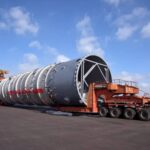
Manufacturing may include shell rolling, head forming, tray support installation, nozzle welding, internal support welding, heat exchanger fabrication, reboiler fabrication, pressure vessel assembly, dimensional inspection, pressure testing, coating, and final documentation. A large-scale pressure vessel manufacturer should support manufacturability review, material traceability, welding control, inspection coordination, and logistics planning.

What Buyers Should Prepare Before Requesting a Quotation
Before requesting a quotation for sour water stripping equipment, buyers should prepare:
- Sour water source list and process description
- Normal, minimum, maximum, and upset flow rates
- H2S, NH3, CO2, chloride, cyanide, phenol, oil, solids, and pH data
- Feed temperature, pressure, and variability
- Stripped water quality target and downstream destination
- Off-gas destination and required pressure
- Steam availability and utility limits
- Preferred reboiler or live steam basis
- Column internals requirements
- Material and corrosion requirements
- Inspection, NDT, and pressure testing requirements
- Instrumentation, analyzer, and safety requirements
- Site layout, maintenance access, and delivery conditions
- Documentation and commissioning support requirements
Common Buyer Mistakes
Buying Only the Column Without the Supporting System
The column cannot operate reliably without stable feed, heat input, overhead control, off-gas routing, and treated water cooling. Supporting equipment should be reviewed as part of the same package.
Ignoring Oil, Solids, and Fouling
Oil and solids can plug exchangers, foul trays, increase foaming, and reduce stripping efficiency. Feed pretreatment and cleanability should be defined early.
Underestimating Overhead Corrosion
Overhead systems can face ammonium salt deposition, sour gas corrosion, and condensation issues. The condenser, reflux drum, pumparound loop, and vapor piping should be reviewed carefully.
Comparing Suppliers Only by Tower Price
A low tower price may exclude internals, reboiler, condenser, reflux system, filters, controls, NDT, documentation, packing, or commissioning support. EPC buyers should compare the complete technical scope.
FAQ
What equipment is used in sour water stripping units?
Sour water stripping units typically use a sour water stripper column, trays or packing, feed tank, flash drum, charge pumps, filters, coalescers, feed-effluent heat exchanger, reboiler or live steam injection, overhead condenser, reflux drum, reflux pumps, stripped water cooler, off-gas system, instrumentation, and safety systems.
How does a sour water stripper column work?
A sour water stripper contacts sour water with steam inside a vertical column. H2S, ammonia, and other volatile contaminants move from the liquid phase into the vapor phase. The overhead vapor is routed for treatment, while stripped water exits the bottom.
Why are reboilers and heat exchangers important?
They provide and recover heat for stripping. Feed-effluent heat exchangers reduce steam demand, while reboilers or live steam systems supply the energy needed to remove dissolved contaminants.
Is filtration needed before a sour water stripper?
Yes. Filtration, coalescing, and degassing can reduce solids, oil, sludge, and hydrocarbons that may foul trays, packing, reboilers, heat exchangers, and control equipment.
Does sour water stripping equipment need corrosion-resistant materials?
Often yes. Sour water may contain H2S, ammonia, CO2, chlorides, cyanides, phenols, and other aggressive contaminants. Material selection should be based on chemistry, temperature, pressure, pH, refinery standards, and inspection requirements.
Where does sour water stripper off-gas go?
Depending on the refinery design, off-gas may go to a sulfur recovery unit, wet sulfuric acid unit, flare, incinerator, acid gas treatment unit, or other approved destination. This interface must be defined before equipment selection.
Conclusion
Sour water stripping units use a coordinated equipment train: feed tanks, flash drums, filters, coalescers, heat exchangers, stripper columns, internals, reboilers, condensers, reflux drums, off-gas handling, stripped water coolers, controls, and safety systems. The right equipment selection depends on sour water chemistry, flow variability, oil and solids loading, H2S and ammonia removal targets, energy use, corrosion risk, overhead design, and downstream integration.
If you are sourcing sour water stripper columns, reboilers, heat exchangers, reflux drums, separators, storage tanks, or other custom process equipment for refinery, petrochemical, wastewater, sulfur recovery, or EPC projects, you can discuss your project requirements with an engineering and manufacturing team. Sharing sour water analysis, operating conditions, material requirements, inspection needs, and delivery terms will help support technical communication and fabrication evaluation.
External references used: Alfa Laval sour water stripping; U.S. EPA petroleum refining effluent guidelines; Sulzer amine treater and sour water stripper; Pall sour water stripping process; Trimeric sour water stripper internals reference.