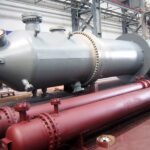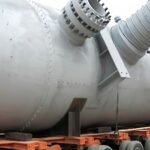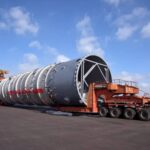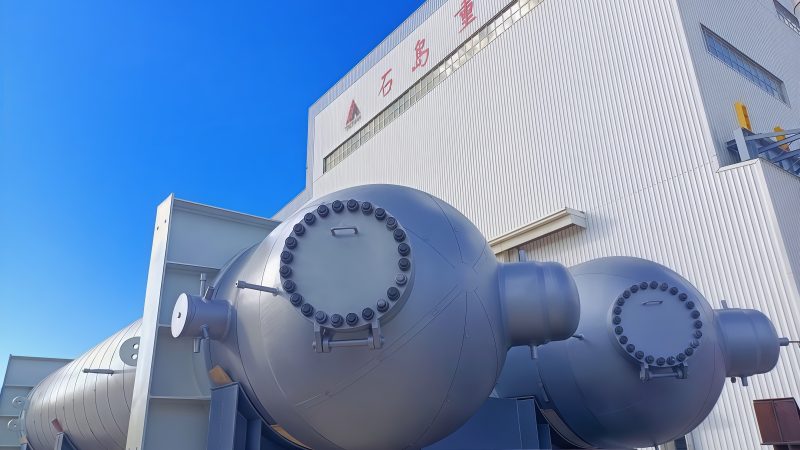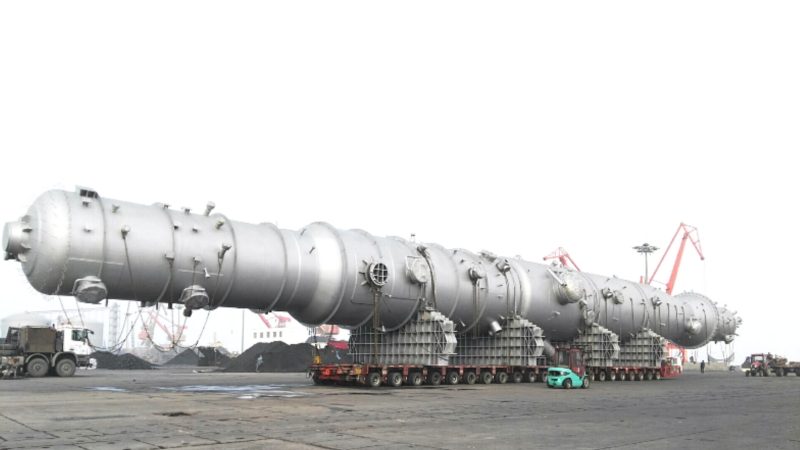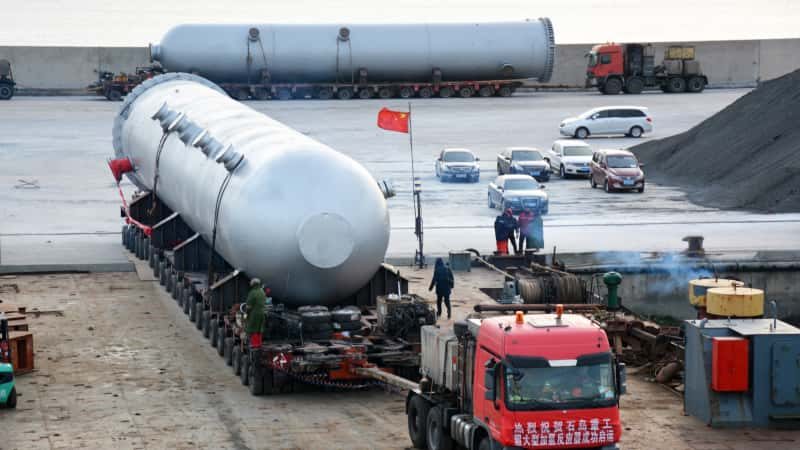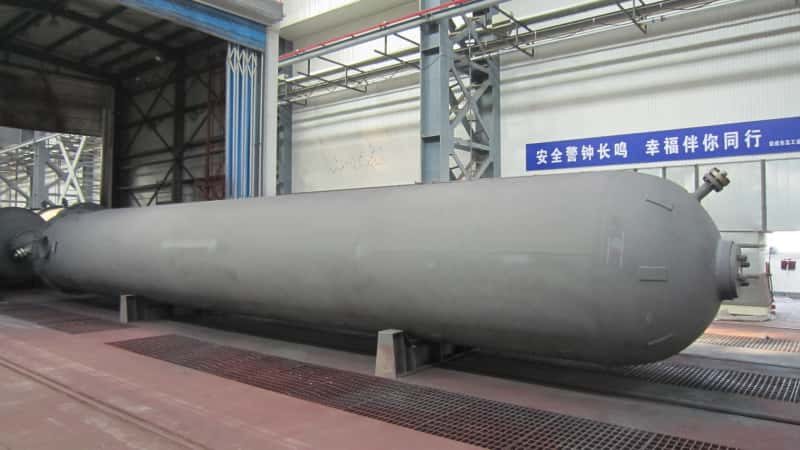

Amine gas treating equipment is a critical package in refinery fuel gas systems, natural gas sweetening units, sour gas processing, LPG treating support, sulfur recovery integration, and petrochemical gas purification. For EPC buyers, the purchase decision should not start with a simple equipment list or a package price. It should start with the feed gas composition, the treated gas specification, the acid gas destination, and the reliability requirements of the plant.
A complete amine treating system may include an absorber or contactor column, regenerator or stripper column, reboiler, condenser, reflux drum, rich and lean amine heat exchangers, flash drum, inlet separator, filters, carbon bed, pumps, solvent storage, knockout drums, instrumentation, controls, and skid or module structures. These items must work as one process system. A technically weak choice can still pass a mechanical inspection but later cause H2S breakthrough, high CO2 slip, foaming, corrosion, solvent loss, excessive steam consumption, or poor acid gas quality for the sulfur recovery unit.
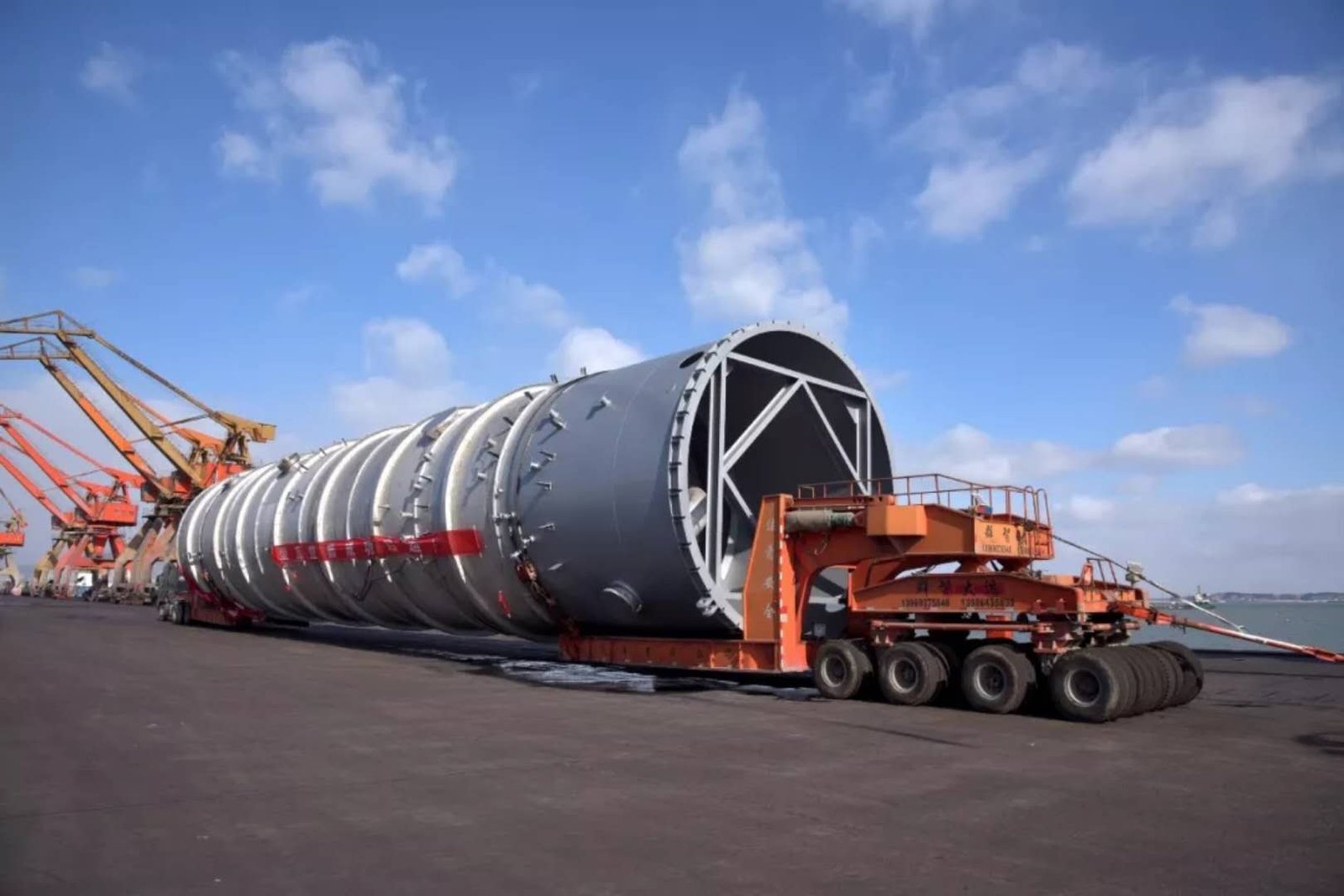
Public technical references from the U.S. Energy Information Administration explain that natural gas is commonly processed to remove water vapor, carbon dioxide, hydrogen sulfide, and other impurities before delivery. Shell also describes amine and acid gas treating as a technology used to remove acid gases such as H2S and CO2 from natural gas streams. For EPC procurement, that means amine treating equipment should be treated as engineered process equipment, not as a generic skid or vessel purchase.
The lowest-priced amine gas treating package is not automatically the best EPC choice.True
Bids can differ in solvent basis, column internals, reboiler duty, metallurgy, filtration, controls, documentation, inspection scope, and long-term operating cost.
A conventional amine unit can always remove mercaptans and all organic sulfur species as efficiently as H2S.False
Standard amine systems mainly target H2S and CO2. Mercaptans, COS, CS2, and total sulfur requirements may need formulated solvents, hydrolysis, caustic treating, adsorption, or other polishing steps.
What Is Amine Gas Treating Equipment?
Amine gas treating equipment is a process system that uses an aqueous amine solvent to absorb acid gases from a sour gas stream. In a common arrangement, sour gas enters an absorber column and contacts lean amine. The treated gas exits the top of the absorber, while rich amine leaves the bottom and flows to regeneration. In the regenerator, heat strips absorbed acid gas from the solvent so the lean amine can be cooled and circulated back to the absorber.
Depending on the project, the package may be designed for refinery fuel gas, natural gas sweetening, acid gas enrichment, tail gas treating, LPG treating support, syngas purification, or petrochemical process gas treatment. Buyers comparing equipment categories can review process towers and columns, custom pressure vessels, and pressure vessels for oil and gas when planning related fabricated equipment.
Main Equipment in an Amine Treating System
Absorber or Contactor Column
The absorber is the main gas-liquid contact column. It may use trays, random packing, structured packing, mist eliminators, liquid distributors, feed devices, and wash sections depending on process design. The absorber must be selected around gas flow, pressure, temperature, acid gas concentration, solvent circulation, foaming risk, turndown, and treated gas limits.
Regenerator or Stripper Column
The regenerator removes absorbed acid gas from the rich amine. Its duty depends on solvent type, acid gas loading, lean loading target, circulation rate, reboiler temperature, reflux, and condenser performance. In CO2-heavy service, regeneration energy can become a major operating cost.
Rich and Lean Amine Heat Exchangers
The lean/rich amine exchanger recovers heat from regenerated lean amine and preheats rich amine before regeneration. Correct sizing affects reboiler duty, solvent stability, and operating cost. EPC buyers may evaluate industrial heat exchangers or a shell and tube heat exchanger when planning this part of the package.
Flash Drum, Filters, and Carbon Bed
The rich amine flash drum helps release hydrocarbons and dissolved gases before regeneration. Particulate filters and carbon beds help control solids, degradation products, hydrocarbons, and foam promoters. Underbuying filtration is one of the most common causes of unstable amine unit operation.
Reboiler, Condenser, and Reflux Drum
The reboiler supplies heat to strip acid gas from rich amine. The condenser and reflux drum control water balance and acid gas overhead conditions. These items should be reviewed together because they determine energy use, acid gas quality, and regeneration stability.
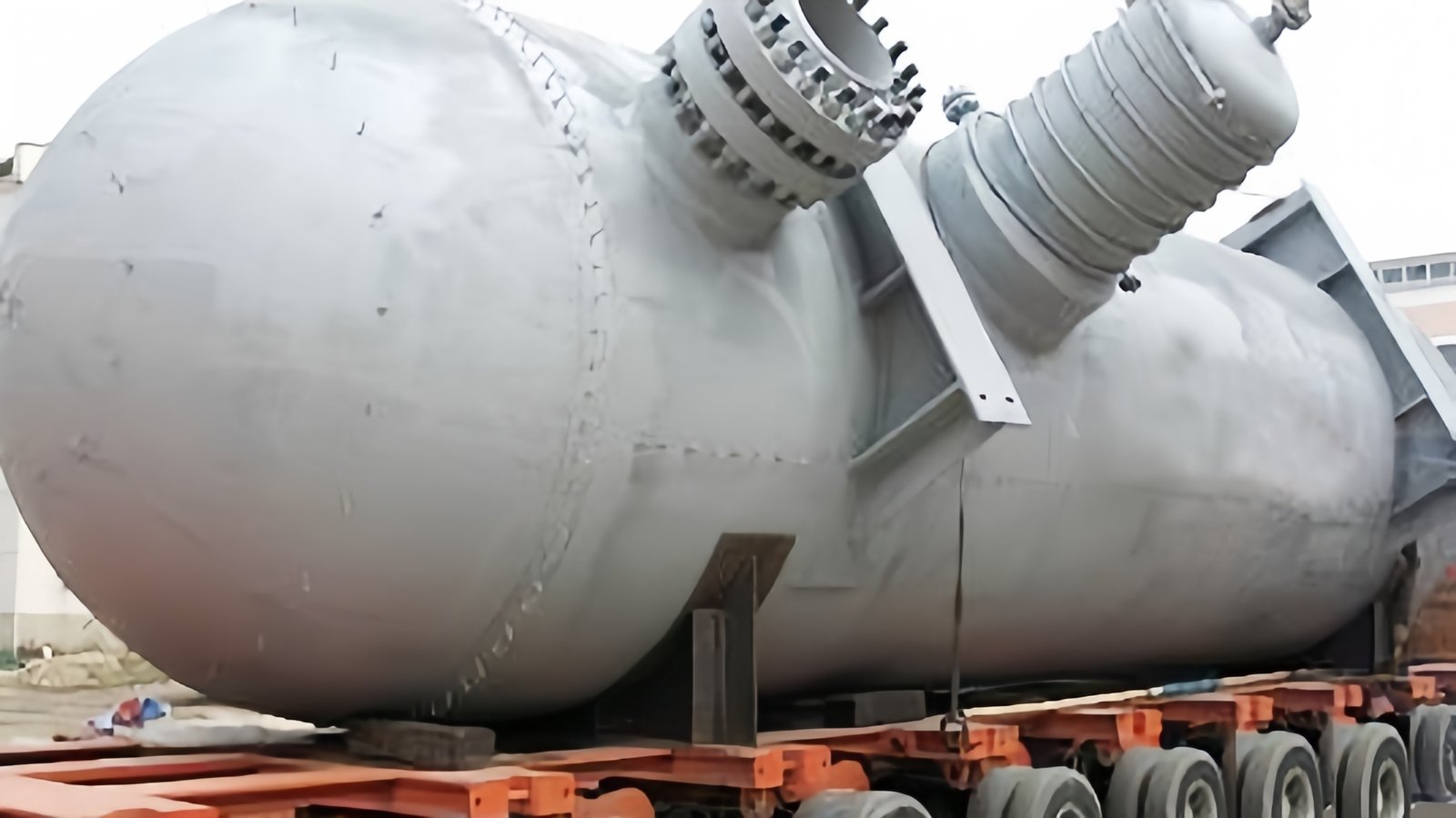
Selection Starts with Gas Composition
The feed gas composition should control the equipment selection. EPC buyers should not ask for only “one amine unit.” They should provide H2S, CO2, total sulfur, mercaptans, COS, CS2, oxygen, water content, hydrocarbon composition, BTEX, solids, liquid carryover, pressure, temperature, flow rate, turndown, and future operating cases.
The same absorber diameter, solvent circulation rate, and regenerator duty cannot be reused blindly across different gas compositions. A high-H2S refinery fuel gas with CO2 slip allowed may need a selective solvent and SRU-friendly acid gas. A CO2-rich natural gas stream may require deeper CO2 removal, more contact area, higher circulation, and higher reboiler duty. A gas containing mercaptans or COS may need additional sulfur polishing beyond a standard amine unit.
| Feed gas condition | Typical EPC objective | Equipment selection focus | Risk if ignored |
|---|---|---|---|
| High H2S with CO2 slip allowed | Selective H2S removal and acid gas enrichment | MDEA or formulated selective solvent, absorber contact time, SRU integration | Over-removal of CO2, weak Claus feed, excessive steam duty |
| H2S and CO2 both require tight limits | Deep acid gas removal | More absorber stages, higher circulation, stronger regeneration | Treated gas meets H2S but fails CO2 specification |
| CO2-dominant natural gas | CO2 removal for pipeline, LNG, or process use | Solvent selection, reboiler duty, corrosion control, dehydration interface | Oversized energy demand or incomplete CO2 removal |
| Mercaptans, COS, or CS2 present | Total sulfur control | Formulated solvent, hydrolysis, caustic treating, adsorption, or polishing | H2S passes but total sulfur fails |
| Hydrocarbon liquids, compressor oil, or solids | Stable solvent circulation | Inlet knockout, coalescing, filters, carbon bed, foam control | Foaming, solvent loss, exchanger fouling, shutdown |
Solvent Selection: MEA, DEA, MDEA, and Formulated Amines
Solvent selection should be based on the actual acid gas duty. MEA reacts quickly with H2S and CO2 and may be used for deep removal or low-pressure applications, but it can have higher regeneration energy and corrosion concerns. DEA has broad refinery experience and can remove both H2S and CO2, but it may not be the best choice for selective H2S removal. MDEA is widely evaluated where selective H2S removal and CO2 slip are acceptable. Formulated or activated MDEA may be selected when both H2S and CO2 limits must be met or when energy efficiency matters.
NETL acid gas removal material discusses different solvent routes and the role of amine systems in acid gas removal. EPC buyers should use those references as technical background only; final solvent selection should be based on licensor data, simulation, operating cases, and project guarantees.
| Solvent family | Strength | Limitation | Buyer question |
|---|---|---|---|
| MEA | Fast reaction and deep acid gas removal | Higher energy and corrosion/degradation sensitivity | What concentration, loading, corrosion inhibitor, and reclaiming basis are assumed? |
| DEA | Broad refinery experience | Less selective than MDEA and sensitive to some contaminants | How are COS, CS2, and degradation products handled? |
| MDEA | Useful for H2S-selective service and acid gas enrichment | May not meet deep CO2 removal without activation | What CO2 slip is guaranteed at turndown and high ambient temperature? |
| Activated or formulated MDEA | Flexible performance for combined H2S and CO2 duties | Performance depends on formulation and licensor support | What solvent makeup, degradation, license, and guarantee terms apply? |
| Specialty solvent | May support complex sulfur, selective, or hybrid duties | Requires clear vendor guarantees and operating support | Are total sulfur, COS, mercaptans, and emissions guaranteed separately? |
Materials, Corrosion, and Sour Service Requirements
Materials selection is one of the most important EPC purchasing decisions for amine gas treating equipment. Rich amine, acid gas, regenerator overhead, hot lean amine, reboiler circuits, and two-phase regions can create corrosion and cracking risks. Carbon steel may be acceptable in many areas, but stainless steel, upgraded alloys, corrosion allowance, post-weld heat treatment, hardness control, HIC testing, or sour service material requirements may be needed depending on the environment.
ISO 15156/NACE MR0175 is commonly referenced for materials in H2S-containing environments in oil and gas production and natural gas sweetening. ASME BPVC Section VIII Division 1 is commonly referenced for pressure vessel construction when the equipment falls within that code basis. For refinery sour service, the EPC team should confirm whether project specifications require refinery-specific sour service controls in addition to upstream oil and gas standards.
A supplier proposal should clearly identify materials for absorber shell, regenerator shell, trays or packing, liquid distributors, demisters, flash drums, filters, reboiler tubes, exchanger tubes, pumps, valves, gaskets, bolting, and instrumentation wetted parts. Vague language such as “sour service material” is not enough. Buyers should require a material schedule by equipment item and by corrosion circuit.
Column Internals and Hydraulic Design
Absorber and regenerator internals affect mass transfer, pressure drop, foaming behavior, liquid distribution, turndown, and maintenance. Trays may be suitable where inspection access and fouling tolerance matter. Structured packing can provide high efficiency and low pressure drop where clean service and good liquid distribution are expected. Random packing may be practical for smaller towers or some revamps, but it still requires correct distributor design.
Buyers should request hydraulic checks for flood percentage, pressure drop, weeping, entrainment, foaming margin, distributor loading, demister velocity, turndown, and operating temperature. In selective MDEA service, contact time can affect CO2 pickup, so internals selection can influence process selectivity as well as tower size.
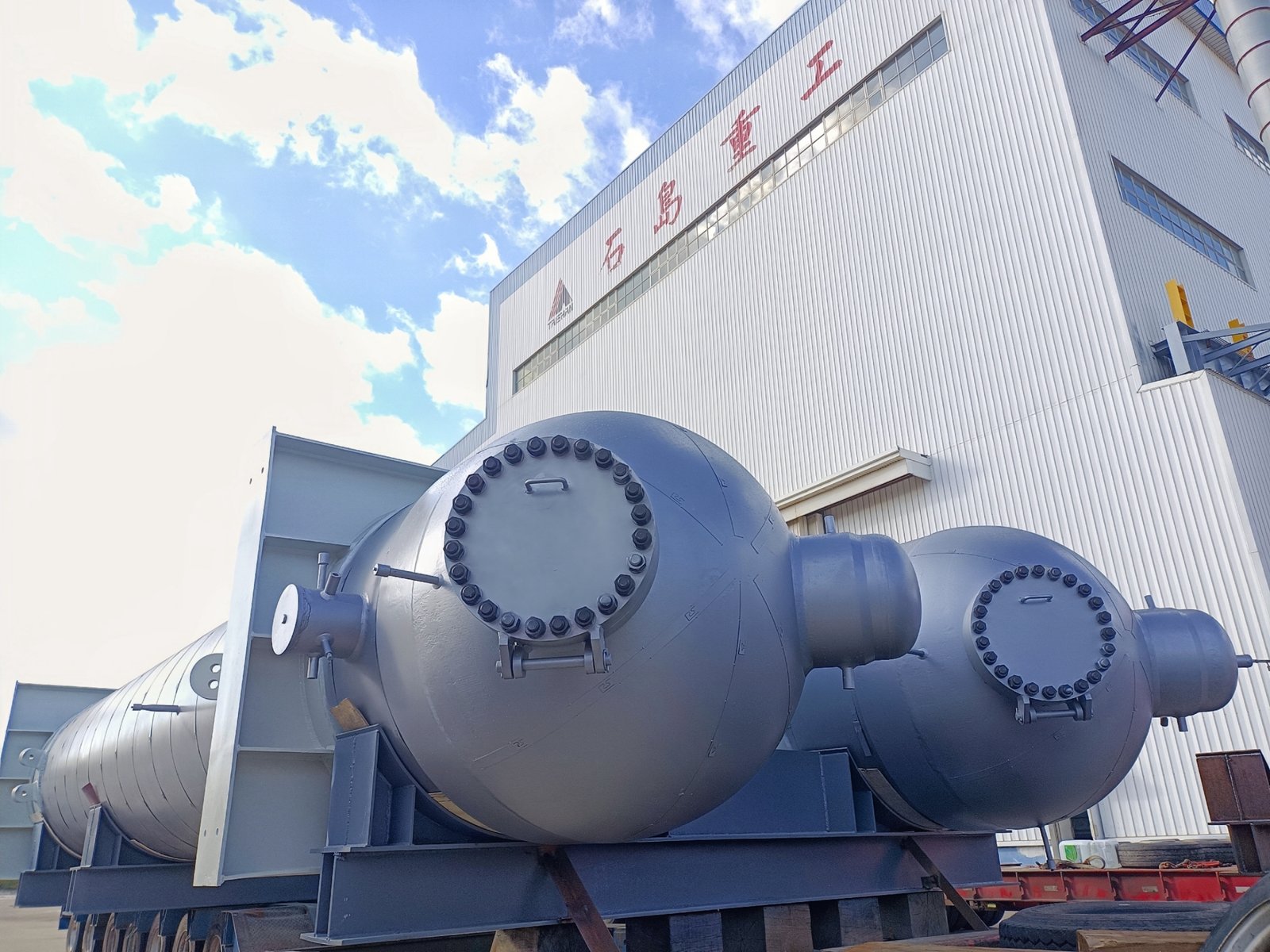
Filtration, Foaming, and Solvent Cleanliness
Amine unit problems often begin with dirty solvent. Hydrocarbon carryover, compressor oil, iron sulfide, corrosion particles, heat-stable salts, oxygen degradation products, chemical contaminants, and excessive antifoam can reduce absorption performance and increase solvent loss. The equipment package should include an inlet separator or coalescer when liquid carryover is possible, plus particulate filtration and carbon filtration where solvent cleanliness is critical.
For refinery gas, filtration and foaming control usually deserve more attention than a generic package offer provides. EPC buyers should ask for filter micron rating, carbon bed sizing, slipstream percentage, differential pressure monitoring, sampling points, drain and vent design, replacement philosophy, and compatibility with the selected solvent.
Heat Integration and Lifecycle Cost
Lifecycle cost can matter more than initial purchase price. The regenerator reboiler is often a major energy consumer. A unit with better lean/rich heat recovery, realistic reboiler duty, suitable solvent loading, and correct lean amine cooling may cost more upfront but reduce long-term operating expense.
EPC bid evaluation should compare reboiler duty, cooling duty, pump power, solvent makeup, filter replacement, waste handling, inspection cost, spare parts, downtime risk, and performance guarantee coverage. A lower package price can become expensive if it has high steam demand, inadequate filtration, poor corrosion control, or limited turndown.
What EPC Buyers Should Request in the RFQ
Before requesting a quotation, buyers should prepare a complete technical basis. If the project is still in early engineering, preliminary data can still help the supplier identify missing inputs and feasibility concerns.
| RFQ item | Why it matters |
|---|---|
| Feed gas composition and flow cases | Defines acid gas load, absorber size, solvent circulation, and regeneration duty. |
| Treated gas H2S, CO2, and total sulfur limits | Defines performance guarantee and solvent choice. |
| Acid gas destination | Controls selectivity, acid gas composition, pressure, condensation, and SRU or reinjection interface. |
| Solvent basis and operating cases | Allows fair comparison of circulation rate, loading, utility duty, and performance risk. |
| Materials and corrosion requirements | Prevents vague sour service assumptions and later material disputes. |
| Column internals and hydraulics | Controls mass transfer, pressure drop, turndown, foaming, and maintenance access. |
| Filtration and contamination control | Reduces foaming, solvent loss, plugging, corrosion, and unstable operation. |
| Inspection and documentation | Supports owner review, pressure equipment compliance, commissioning, and future maintenance. |
Manufacturing and Quality Control
Amine treating equipment may combine columns, pressure vessels, heat exchangers, filters, skids, piping, instruments, and controls. A qualified manufacturer should review process datasheets, mechanical drawings, material specifications, internals interfaces, welding requirements, NDT scope, pressure testing, coating, preservation, packing, and documentation before fabrication starts.
Quality control may include material certificate review, positive material identification where required, welding procedure control, welder qualification, visual inspection, dimensional inspection, radiographic testing, ultrasonic testing, magnetic particle testing, liquid penetrant testing, hydrostatic testing, leak testing, coating inspection, and final data book review. For large columns and vessels, delivery planning should include lifting points, shipping supports, road or port restrictions, and site unloading conditions.

Common Buyer Mistakes
Comparing Package Prices Without Comparing Scope
One quotation may include absorber internals, filters, carbon bed, heat exchangers, controls, inspection, documentation, spare parts, preservation, and commissioning support. Another may include only the main vessels. EPC buyers should normalize the technical and commercial scope before comparing price.
Using Only One Operating Case
Gas composition changes over time. Refinery gas can vary by operating mode. Natural gas fields can change as production matures. Suppliers should evaluate normal, maximum acid gas, minimum flow, turndown, startup, and future cases where relevant.
Ignoring Acid Gas Destination
The acid gas may go to a Claus sulfur recovery unit, incinerator, acid gas injection system, flare, tail gas system, or CO2 handling system. Each destination has different requirements for H2S, CO2, water, hydrocarbons, ammonia, pressure, temperature, and liquid carryover.
Underestimating Filtration and Solvent Quality
Solvent cleanliness directly affects foaming, corrosion, mass transfer, and energy use. Filters, coalescers, carbon beds, sampling points, and reclaiming provisions should be reviewed early rather than added after operating problems appear.
FAQ
What information is needed to quote amine gas treating equipment?
Buyers should provide feed gas composition, gas flow rate, pressure, temperature, H2S and CO2 levels, total sulfur requirements, treated gas specification, acid gas destination, solvent preference, materials, design code, inspection scope, utility availability, delivery destination, and documentation requirements.
What equipment is included in a typical amine treating package?
A typical package may include absorber column, regenerator column, reboiler, condenser, reflux drum, lean/rich amine exchanger, lean cooler, flash drum, inlet separator, filters, carbon bed, pumps, solvent tank, instruments, controls, piping, and skid structures.
How should buyers choose between MEA, DEA, MDEA, and formulated amines?
The solvent should be selected according to H2S and CO2 removal targets, pressure, temperature, acid gas partial pressure, total sulfur requirement, energy use, corrosion risk, solvent degradation, and acid gas destination. Final solvent selection should be confirmed by process engineers or the licensor.
Why is filtration important in amine gas treating systems?
Filtration helps remove solids, degradation products, hydrocarbons, and foam promoters from the solvent loop. Poor filtration can cause foaming, exchanger fouling, solvent loss, corrosion, and unstable treated gas quality.
What should EPC buyers evaluate in an amine treating equipment supplier?
Buyers should evaluate process experience, solvent and simulation capability, column internals knowledge, pressure vessel fabrication quality, sour service material control, welding and NDT procedures, documentation discipline, delivery reliability, commissioning support, and lifecycle cost.
Conclusion
EPC buyers should select amine gas treating equipment by connecting gas composition, treated gas requirements, solvent chemistry, column design, corrosion control, filtration, heat integration, quality inspection, documentation, and delivery planning. The best supplier is not simply the lowest bidder. It is the supplier that can provide a technically complete package that meets outlet specifications, protects long-term operation, and supports refinery or natural gas project execution.
If you are sourcing amine gas treating equipment, absorber columns, regenerators, heat exchangers, separators, storage tanks, or other custom process equipment for refinery, natural gas, petrochemical, sulfur recovery, or EPC projects, you can discuss your project requirements with an engineering and manufacturing team. Sharing gas analysis, process datasheets, material requirements, inspection needs, and delivery terms will help support technical communication and fabrication evaluation.
External references used: U.S. EIA natural gas overview; Shell amine and acid gas treating; NETL acid gas removal reference; ASME BPVC Section VIII Division 1; ISO 15156-1:2020.