
Industrial brine concentration and salt recovery projects are usually driven by three practical goals: reducing liquid waste volume, recovering usable water, and converting dissolved salts into a manageable solid or reusable product. For EPC contractors, environmental engineering companies, chemical plants, mining projects, battery material plants, refineries, power plants, and industrial wastewater operators, the key question is not only which evaporator or crystallizer to buy. The project team must define the full equipment train from pretreatment to final salt handling.
A complete brine concentration system may include feed tanks, equalization, oil removal, clarification, softening, filtration, membrane concentration, evaporators, crystallizers, centrifuges, filter presses, dryers, condensate tanks, heat exchangers, storage tanks, chemical dosing systems, instrumentation, controls, and packing or solids handling equipment. The final equipment list depends on brine chemistry, total dissolved solids, scaling risk, water recovery target, salt quality requirement, site utilities, and whether the project is designed for minimal liquid discharge or zero liquid discharge.
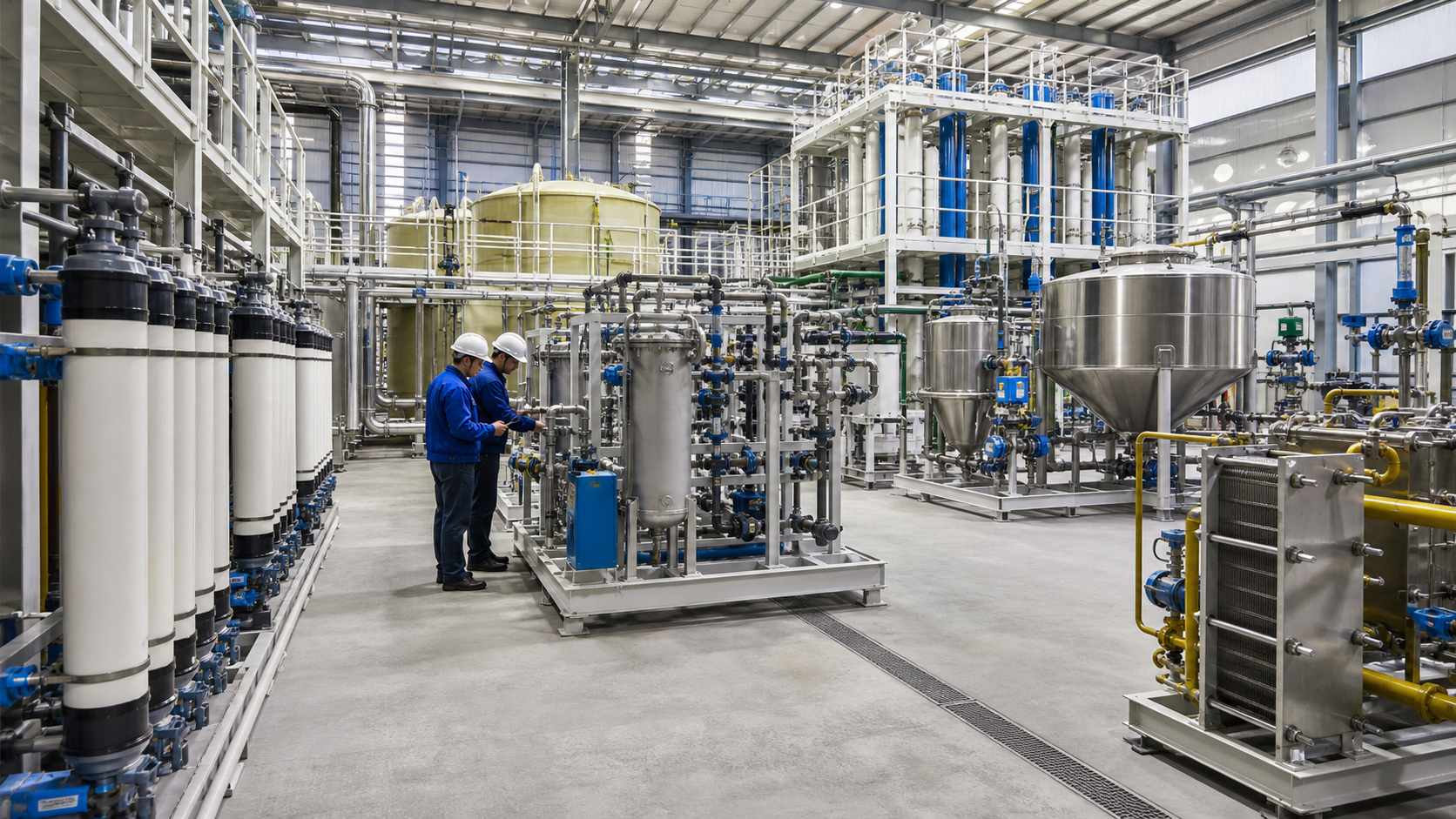
External references from Veolia Water Technologies, Saltworks, and published brine recovery research all point to the same practical conclusion: high-recovery brine treatment is a system problem. Membranes may be cost-effective for pre-concentration, but high-salinity streams often require thermal evaporation and crystallization. Salt recovery adds another layer because the project must decide whether the final solids are a reusable product, a mixed salt cake, or a regulated waste stream.
A brine evaporator and a brine crystallizer perform the same duty in salt recovery projects.False
An evaporator mainly concentrates liquid brine by removing water, while a crystallizer is designed to exceed solubility, form crystals, and handle slurry and solid salt recovery.
Pretreatment affects both equipment reliability and recovered salt quality in brine concentration projects.True
Hardness, silica, oil, suspended solids, organics, metals, and scaling ions can foul membranes, reduce heat transfer, destabilize crystallizers, and contaminate recovered salt.
What Equipment Is Needed in a Brine Concentration Project?
Most industrial brine concentration and salt recovery projects use a staged process. The first stage stabilizes and protects the system. The second stage concentrates water efficiently where membranes are feasible. The third stage uses thermal equipment for high salinity. The final stage separates, dries, stores, or disposes of the salt solids.
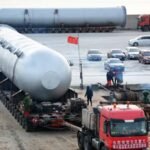
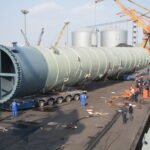
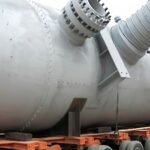
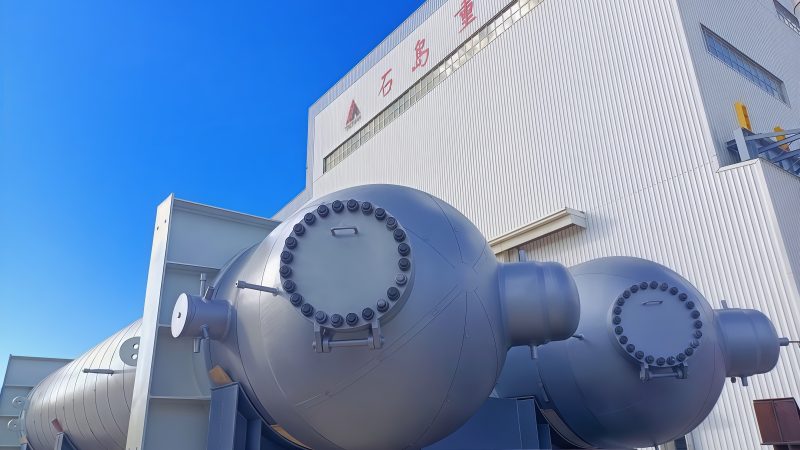
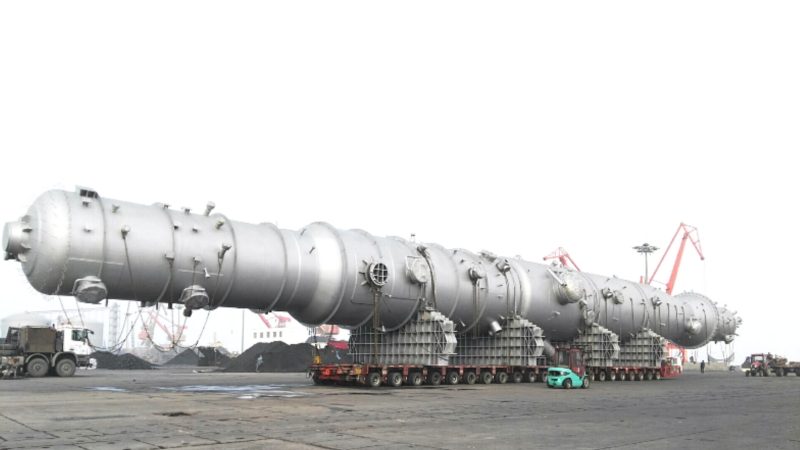
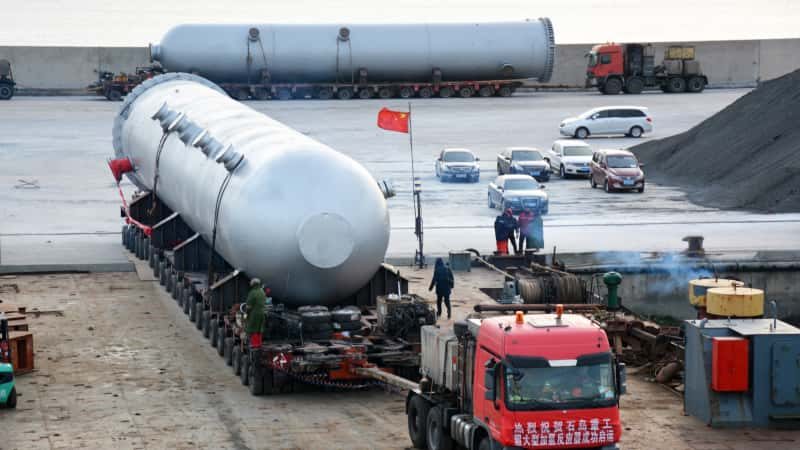
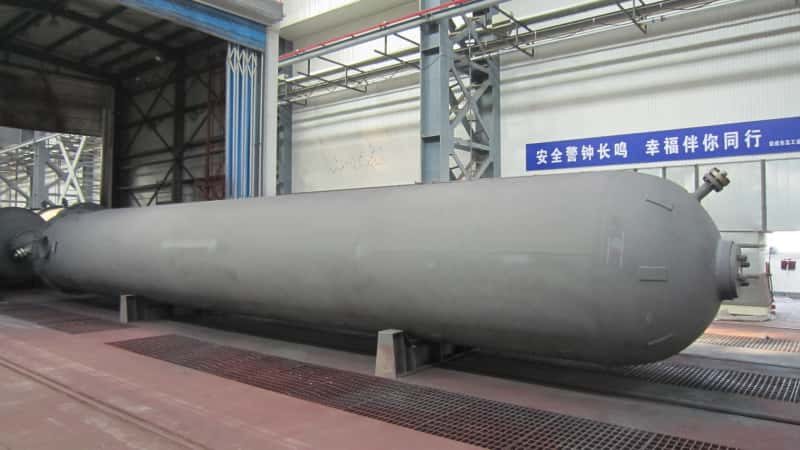
For fabricated equipment planning, buyers may review custom pressure vessels, industrial heat exchangers, industrial storage tanks, and pressure vessels for chemical plants when preparing the equipment package.
| Project stage | Typical equipment | Main purpose |
|---|---|---|
| Feed handling | Feed tanks, equalization tanks, transfer pumps, mixers, strainers | Stabilize flow and chemistry before treatment. |
| Pretreatment | Clarifiers, DAF, softeners, filters, ultrafiltration, chemical dosing | Remove solids, oil, hardness, silica, metals, and foulants. |
| Membrane concentration | RO, high-recovery RO, nanofiltration, electrodialysis, EDR | Recover water and reduce thermal equipment load where feasible. |
| Thermal concentration | MVR evaporator, falling-film evaporator, forced-circulation evaporator, multi-effect evaporator | Concentrate high-TDS brine beyond membrane limits. |
| Crystallization | Forced-circulation crystallizer, mixed-salt crystallizer, evaporation crystallizer | Produce salt crystals, mixed solids, or ZLD slurry. |
| Solid-liquid separation | Centrifuge, filter press, decanter, hydrocyclone, thickener | Separate crystals or mixed salts from mother liquor. |
| Drying and handling | Dryer, cooler, screen, conveyor, silo, bagging system | Prepare salt for reuse, sale, storage, or disposal. |
Start with Brine Characterization
Brine chemistry controls almost every equipment decision. Buyers should provide a complete water analysis before requesting a quotation. At minimum, the analysis should include TDS, conductivity, pH, temperature, calcium, magnesium, sodium, potassium, chloride, sulfate, carbonate, bicarbonate, silica, barium, strontium, iron, manganese, heavy metals, ammonia, COD, TOC, oil and grease, suspended solids, alkalinity, hardness, fluoride, nitrate, boron, and any process-specific contaminants.
One brine may be suitable for membrane pre-concentration. Another may require softening before RO. A third may be too scaling-prone for membranes and need direct evaporation. A fourth may be technically treatable but unable to produce saleable salt because contaminants co-crystallize with sodium chloride or sodium sulfate.
Pretreatment Equipment
Pretreatment protects downstream membranes, evaporators, crystallizers, pumps, heat exchangers, and recovered salt quality. It is not optional simply because the evaporator is large. Scaling ions, oil, solids, organics, silica, and metals can reduce heat transfer, plug nozzles, destabilize crystallizers, and turn potentially reusable salt into mixed waste.
| Brine problem | Why it matters | Typical pretreatment equipment |
|---|---|---|
| Large debris, fibers, grit | Plugs pumps, nozzles, filters, and heat exchangers. | Screens, strainers, grit removal, feed equalization. |
| Oil and grease | Causes membrane fouling, evaporator foaming, and poor salt quality. | Oil-water separator, coalescer, DAF, activated carbon. |
| Suspended solids | Fouls membranes and accumulates in evaporators. | Coagulation, flocculation, clarifier, media filter, ultrafiltration. |
| Calcium and magnesium hardness | Forms carbonate, sulfate, fluoride, and hydroxide scale. | Lime softening, caustic softening, ion exchange, antiscalant. |
| Silica | Limits RO recovery and forms hard-to-clean deposits. | High-pH treatment, magnesium-assisted removal, silica adsorbent, pilot testing. |
| Heavy metals | Affects salt reuse, sludge classification, and discharge permits. | pH precipitation, sulfide precipitation, clarifier, filter press. |
| Organics and surfactants | Cause foaming, odors, fouling, and salt contamination. | Biological treatment, AOP, activated carbon, resin adsorption. |
Membrane Concentration Equipment
Membrane systems can reduce the flow that must later enter more expensive thermal equipment. Reverse osmosis, high-recovery RO, nanofiltration, electrodialysis reversal, selective electrodialysis, and related membrane technologies may be considered depending on salinity, scaling risk, organics, temperature, and target recovery.
Membranes are usually attractive when the brine is not yet too concentrated and pretreatment can control fouling. They become more difficult as osmotic pressure rises, scaling risk increases, and brine chemistry approaches saturation. EPC buyers should request a scaling model, mass balance, recovery guarantee, cleaning strategy, membrane replacement estimate, and feed quality limits for each membrane stage.
Electrodialysis technologies may also be relevant where the project aims to concentrate salts, separate ions, or recover acid and caustic from certain brines. However, the correct membrane route depends on ionic composition and should be confirmed through testing or vendor guarantees.
Evaporation Equipment
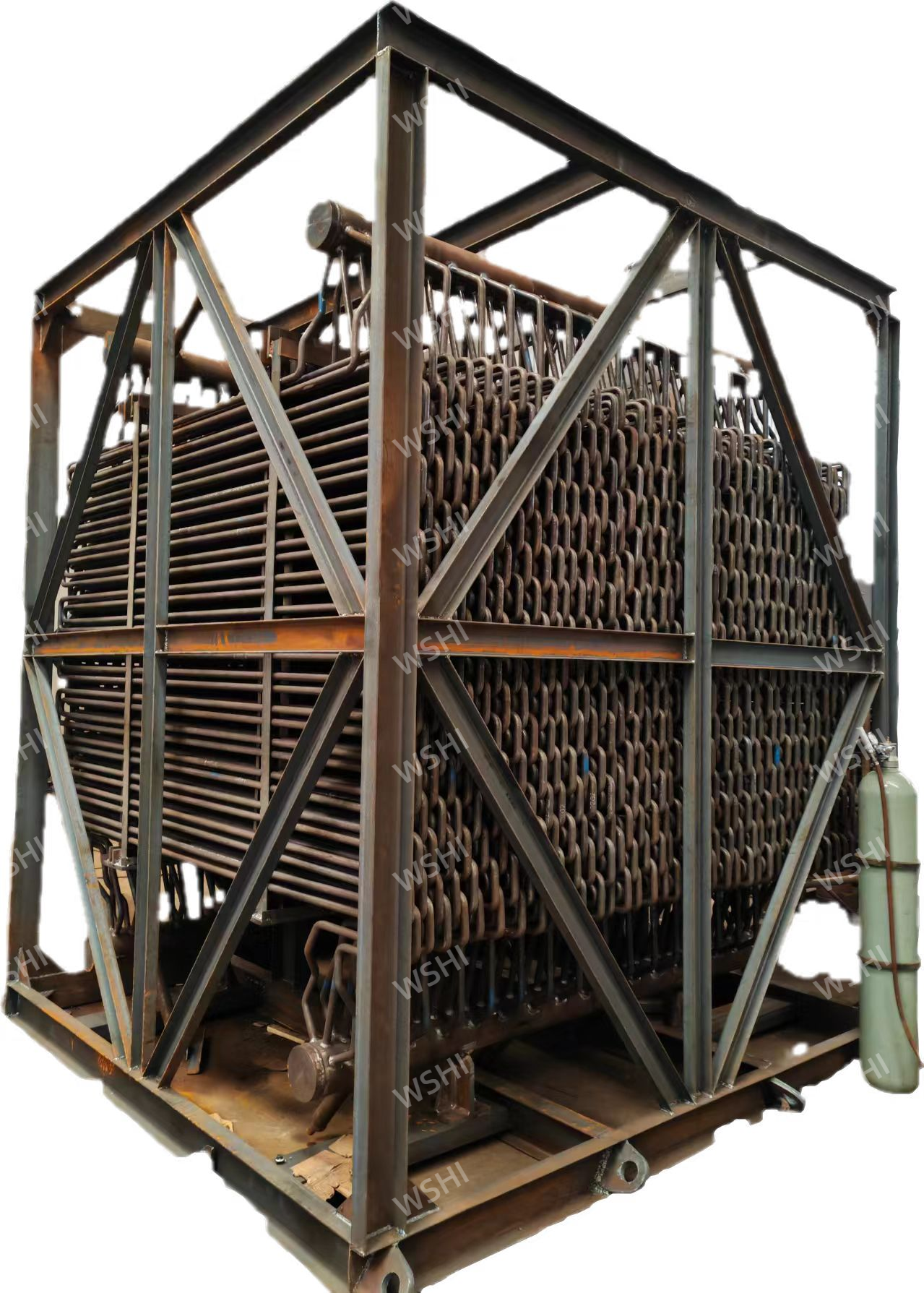
Evaporators are used when brine concentration must go beyond practical membrane limits. They remove water as vapor and produce a more concentrated brine. The choice between falling-film, forced-circulation, MVR, and multi-effect evaporation depends on salinity, scaling tendency, viscosity, crystallization risk, steam availability, power cost, and maintenance strategy.
MVR Evaporators
Mechanical vapor recompression evaporators compress generated vapor and reuse it as the heating source. MVR can reduce the need for continuous external steam, making it attractive where electricity economics are favorable and the plant wants high water recovery.
Falling-Film Evaporators
Falling-film evaporators can be efficient for concentration duties where scaling is controlled and liquid distribution is stable. They may be less suitable for severe scaling, slurry, or crystallizing conditions unless the process is carefully designed.
Forced-Circulation Evaporators
Forced-circulation evaporators maintain higher liquid velocity through heat-transfer surfaces. They are often selected for high-salinity, scaling-prone, viscous, or crystallizing brines because they can reduce localized deposition and handle slurry-forming conditions more reliably.
Multi-Effect Evaporators
Multi-effect evaporators use vapor from one effect to heat another effect. They may be attractive where steam is available and electricity is costly. EPC buyers should compare steam use, cooling requirements, footprint, control complexity, and cleaning access before selecting this route.
Crystallizers and Salt Recovery Equipment
A brine concentrator reduces liquid volume, but it does not automatically recover solid salt. Crystallizers are needed when the project must produce crystals, mixed solids, or true ZLD salt cake. Forced-circulation crystallizers, mixed-salt crystallizers, draft-tube baffle crystallizers, evaporation crystallizers, and integrated evaporator-crystallizer systems may be considered depending on the final solids objective.
If the project needs saleable sodium chloride, sodium sulfate, potassium salts, lithium salts, or other products, the process must control purity, crystal size, moisture, mother-liquor carryover, washing, drying, and impurity purge. If the goal is disposal, the equipment must still produce stable solids and minimize free liquid.
| Final objective | Likely equipment focus | Buyer warning |
|---|---|---|
| Volume reduction only | Membranes, brine concentrator, condensate tank, blowdown tank | Not the same as salt recovery or ZLD. |
| Minimal liquid discharge | High-recovery membranes plus evaporator | Residual concentrate still needs disposal or further treatment. |
| Zero liquid discharge | Evaporator, crystallizer, centrifuge/filter press, dryer | Solids handling and mother liquor recycle become critical. |
| Reusable salt product | Selective pretreatment, controlled crystallization, washing, drying, screening | Mixed contaminants can destroy product value. |
| Mixed salt cake disposal | Mixed-salt crystallizer, dewatering, cake handling, waste classification | Disposal classification must be known before design freeze. |
Solid-Liquid Separation, Drying, and Storage
Salt recovery does not end at crystallization. The slurry leaving a crystallizer usually requires dewatering by centrifuge, decanter, filter press, belt filter, or other equipment. If the salt is intended for reuse or sale, it may need washing, drying, cooling, screening, conveying, silo storage, bagging, or bulk loading.
Storage equipment should be selected according to salt hygroscopicity, corrosion risk, dust control, product classification, and transport method. For liquid intermediate streams, condensate, mother liquor, chemicals, and recovered water, buyers may need storage tanks and auxiliary vessels designed around corrosion and cleaning access.
Heat Exchangers, Condensers, and Auxiliary Vessels
Brine systems commonly require heat exchangers, condensers, vapor separators, condensate receivers, demisters, flash vessels, chemical tanks, CIP tanks, sludge tanks, and pressure vessels. Materials may include stainless steel, duplex stainless steel, titanium, nickel alloys, lined steel, FRP, or other materials depending on chloride concentration, temperature, pH, oxidants, and contaminants.
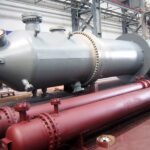
For thermal equipment and auxiliary packages, buyers can review shell and tube heat exchanger options where robust construction, cleaning access, and custom materials are required.
Key Selection Factors for EPC Buyers
Brine Chemistry and Scaling Risk
Scaling risk should be modeled before equipment selection. Calcium sulfate, calcium carbonate, silica, barium sulfate, strontium sulfate, metal hydroxides, and mixed salts can limit membranes and foul heat-transfer surfaces. Pilot testing is strongly recommended for complex industrial brines.
Water Recovery Target
A 70 percent recovery target may require a very different system from a 95 percent or ZLD target. Higher recovery usually increases complexity, energy use, chemical demand, solids handling, and fouling risk.
Salt Quality and Destination
Recovered salt is not always reusable or saleable. Buyers should define whether solids will be reused, sold, landfilled, classified as hazardous waste, or sent for further refining. This decision affects crystallizer type, washing, drying, impurity purge, and storage design.
Energy and Utility Availability
MVR systems depend heavily on electricity. Multi-effect systems depend on steam integration. Cooling water, air coolers, condensate reuse, compressed air, chemicals, and power supply should be evaluated before selecting the equipment route.
Materials and Corrosion
High-chloride brines can be highly corrosive, especially at elevated temperature. Materials should be selected according to brine chemistry, temperature, pH, oxidants, oxygen, scaling, cleaning chemicals, and allowable corrosion risk. Any material substitution should be reviewed through the project approval process.
Common Buyer Mistakes
Buying an Evaporator Before Defining Pretreatment
Evaporator performance depends on feed chemistry. Without pretreatment data, the supplier may underestimate scaling, foaming, cleaning frequency, corrosion, and downtime.
Assuming ZLD Automatically Means Saleable Salt
ZLD can produce mixed solids that are stable for disposal, but product-grade salt recovery requires impurity control, selective crystallization, washing, drying, and market confirmation.
Ignoring Mother Liquor and Purge Streams
Crystallizers often require mother liquor recycle and purge management. If purge streams are not planned, contaminants can accumulate and destabilize operation.
Comparing Suppliers Only by Nameplate Capacity
Two systems with the same feed capacity may differ in pretreatment scope, recovery guarantee, energy use, materials, crystallizer design, automation, cleaning system, solids handling, documentation, and lifecycle cost.
What Buyers Should Prepare Before Requesting a Quotation
Before requesting a quotation for industrial brine concentration and salt recovery equipment, buyers should prepare:
- Process description and project goal
- Complete brine analysis and variability cases
- Feed flow rate and operating schedule
- Target water recovery or discharge limit
- Salt recovery target and final salt destination
- Scaling and fouling concerns
- Pretreatment requirements or existing upstream treatment
- Membrane, evaporation, or crystallization preference if already studied
- Available utilities, including steam, electricity, cooling water, and compressed air
- Material requirements and corrosion concerns
- Automation, instrumentation, and control requirements
- Site layout, modularization, and transport limits
- Inspection, testing, documentation, and delivery requirements
FAQ
What equipment is needed for an industrial brine concentration and salt recovery project?
A typical project may need feed tanks, pumps, pretreatment systems, membrane concentration equipment, evaporators, crystallizers, centrifuges or filter presses, dryers, condensate recovery systems, chemical dosing, controls, storage tanks, and solids handling equipment.
Why is pretreatment important before brine concentration?
Pretreatment removes suspended solids, hardness, silica, oil, organics, metals, and other foulants. It protects membranes, evaporators, crystallizers, heat exchangers, pumps, and final salt quality.
When are MVR evaporators used?
MVR evaporators are often used where high water recovery is needed and electricity can be used to recompress vapor for heat reuse. They can reduce external steam demand compared with some conventional thermal arrangements.
When is a crystallizer required?
A crystallizer is required when the project must produce salt crystals, mixed solids, or true ZLD salt cake. An evaporator alone may concentrate brine but may not complete solid salt recovery.
Is recovered industrial salt always saleable?
No. Saleability depends on salt composition, purity, contaminants, moisture, particle size, regulatory classification, and market demand. Many industrial brines produce mixed salts that require disposal rather than sale.
How should EPC buyers compare suppliers?
Buyers should compare suppliers by process understanding, brine chemistry review, pretreatment strategy, recovery guarantee, scaling control, energy use, crystallizer design, material selection, solids handling, automation, documentation, delivery support, and lifecycle cost.
Conclusion
Industrial brine concentration and salt recovery projects require more than one evaporator or crystallizer. A reliable system must connect brine characterization, pretreatment, membrane concentration, thermal evaporation, crystallization, solids separation, drying, storage, controls, materials, and delivery planning.
If you are sourcing brine concentration equipment, evaporators, crystallizers, heat exchangers, storage tanks, pressure vessels, or other custom equipment for industrial wastewater, chemical, mining, lithium, power, refinery, petrochemical, or EPC projects, you can discuss your project requirements with an engineering and manufacturing team. Sharing brine analysis, water recovery targets, salt quality requirements, material needs, inspection scope, and delivery terms will help support technical communication and fabrication evaluation.
External references used: Veolia Water Technologies crystallizers; Water recovery from brines and salt-saturated solutions; U.S. EPA water reuse; U.S. Bureau of Reclamation desalination and brine reference; electrodialysis technologies; Saltworks evaporators and crystallizers.